What Does Overdriving Your Headlights at Night Mean
It means your headlights can't show you trouble in time to stop before you reach it.
Why your eyes run out of road before your brakes do
Headlights throw a fixed cone of light down the road, and that cone doesn't get longer no matter how fast the car goes. At low speed, you see well past where you'd stop. As speed climbs, the car eats up that same stretch of visible road faster and faster, until the distance you need to stop is longer than the distance you can actually see. That gap is what overdriving your headlights means, and it's a math problem more than a judgment problem.
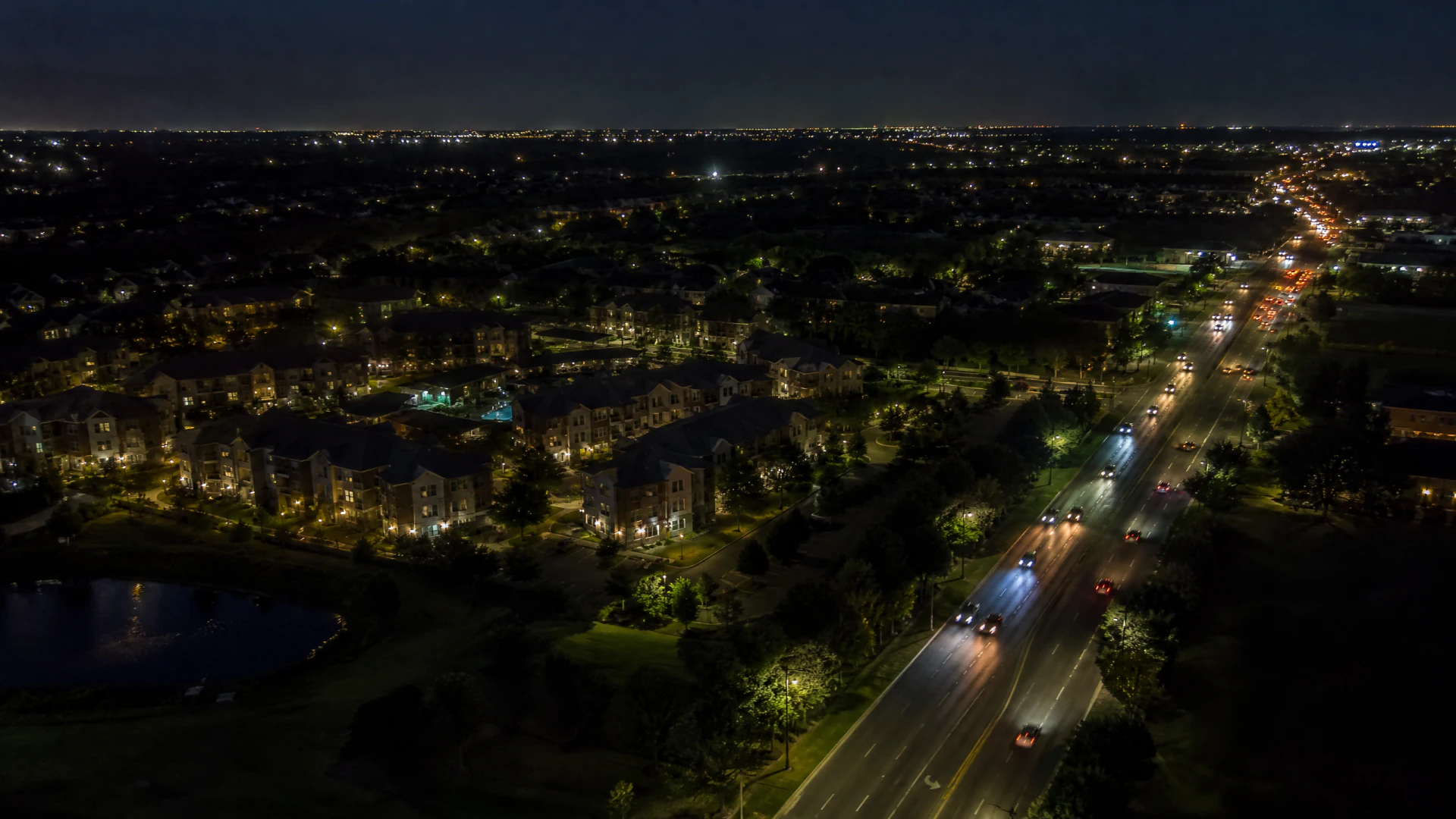
This matters most at night on roads without streetlights, where low beams are often the only thing showing the driver what's ahead. A deer, a stalled car, a pothole, a person walking on the shoulder, none of it appears until it's inside that cone of light. If the car is moving faster than it can stop once that thing appears, the outcome is decided before the driver even reacts.
It also explains why so many serious nighttime crashes happen on roads where the posted speed seems perfectly reasonable. The speed limit assumes good visibility and daylight judgment. It doesn't adjust itself for a dark two-lane road, fog, rain, or a new driver whose reaction time is still slower than it will be in a few years. The limit is a ceiling, not a target, and at night the right speed is often well under it.
For a new driver, this is less about rule-following and more about building a habit of reading the road itself, not just the speedometer. A teen who learns to slow down when the headlights show less road, on an unlit stretch or in weather, is making the same adjustment experienced drivers make without thinking about it. That habit protects them long after the new-driver nerves wear off.
What to teach your teen about night speed
- Match speed to sight distance Headlights only show so far ahead, and your teen needs to slow down enough to stop within that distance. Practice this together on a dark road before they drive it alone.
- Unlit roads need lower speeds Rural roads without streetlights are the riskiest at night because there's no warning before an obstacle appears. Tell your teen to treat the speed limit there as a maximum, not a goal.
- High beams buy more time High beams extend the visible range and give more room to react, as long as no other cars are close. Remind your teen to use them whenever the road is empty and dark.
- Fatigue shrinks reaction time A tired driver needs more distance to respond, even if their eyes are working fine. If your teen is drowsy, driving slower helps, but stopping to rest helps more.
- Weather cuts visibility further Rain, fog and glare from oncoming headlights all shrink the safe stopping distance even more. Your teen should slow down further in these conditions, not just at night.
Once you've talked through safe night driving, compare quotes to match coverage to how your teen actually drives.
How much should my teen slow down at night?
There's no single number that works everywhere, because it depends on the road, the car's headlights, and the conditions that night. The real test isn't a speed on the dashboard, it's whether your teen can point to something ahead and honestly say they'd have room to stop before reaching it.
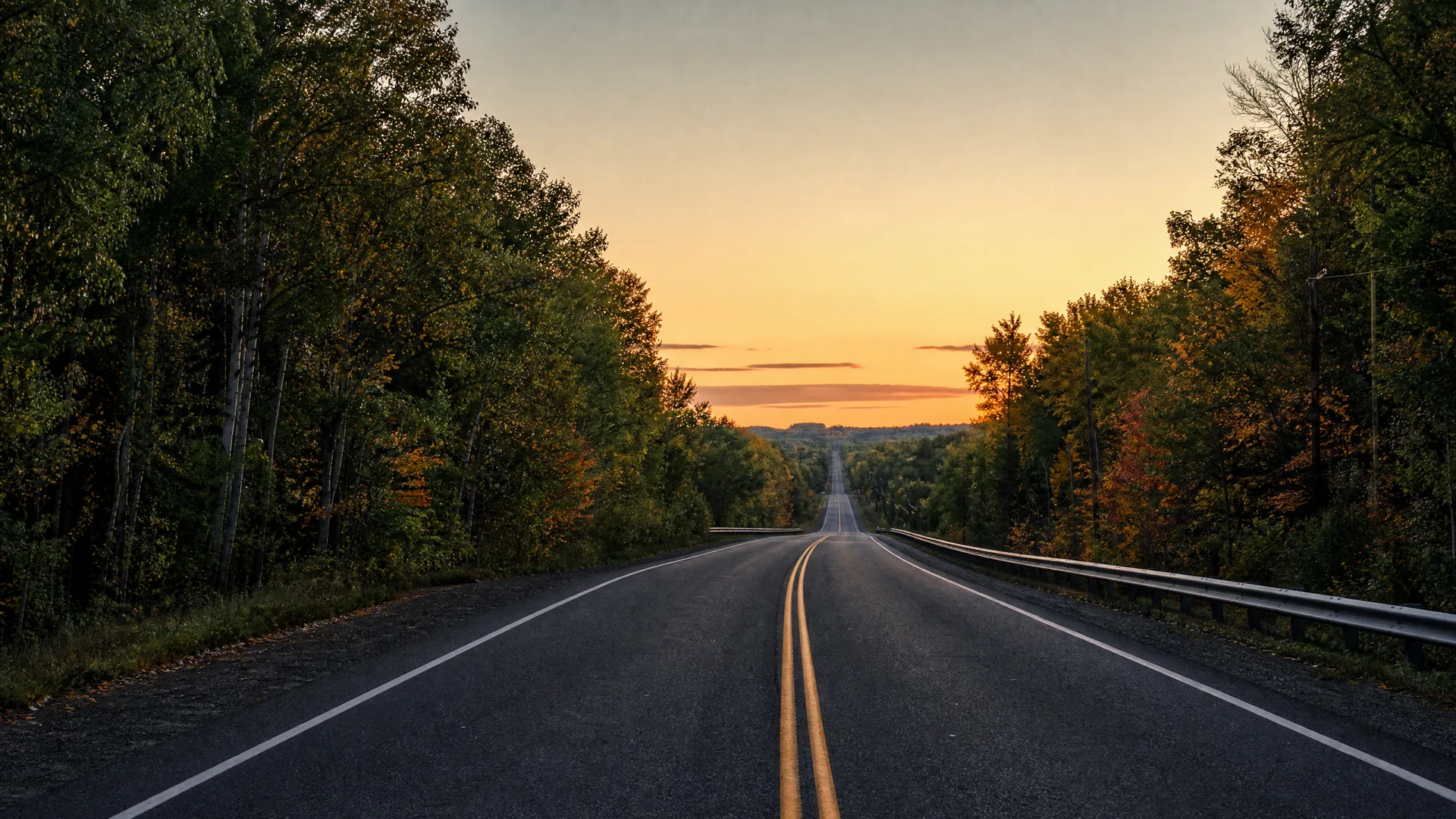
Teach them to treat headlight range as a moving target. A well-lit highway with steady traffic allows something close to the posted limit. An unlit back road, a curve, or a rainy night calls for noticeably less, sometimes much less. The habit you want them to build is checking constantly, not memorizing a fixed rule, because the safe speed changes every time the road or weather does.
If your teen slows down for what headlights can't show
If you do
Your teen gets more time to see and react to whatever shows up in the dark, a deer, a pothole, a car without taillights. Stopping distance stays inside what their headlights reveal. Night drives feel less tense, and the odds of a sudden, unavoidable surprise drop sharply over time.
If you don't
Your teen is driving blind past the edge of what their headlights can show. If anything appears in that gap, there often isn't enough road left to stop. Night crashes involving new drivers frequently trace back to exactly this, not recklessness, just too much speed for too little visible road.
Do LED or upgraded headlights fix overdriving at night?
They help, but they don't fix it entirely, because even bright lights have a limited range and speed still outruns that range eventually. Better headlights buy more distance and more reaction time, which matters, but the same math still applies at higher speeds. Check your state's rules before swapping bulbs or housings, since not all upgrades are street legal, and a poorly aimed aftermarket light can blind oncoming drivers instead of helping anyone see better.
Does overdriving headlights affect who's at fault in a crash?
It can, because driving faster than conditions allow is often treated as a form of negligence even if the speed was under the posted limit. An officer or insurer may look at whether the driver could reasonably have stopped for what was ahead. This varies by state and by the specifics of the crash, so if your teen is ever in a nighttime collision, how fast they were going relative to visibility is one of the first things worth discussing with whoever handles the claim.
Should my teen avoid driving at night altogether at first?
Many new drivers benefit from limiting night driving early on, and some states build this into graduated licensing rules for exactly that reason. Night driving asks more of a driver's judgment and reaction time than daytime driving does, and that's a lot to ask of someone with only months of experience. Check what your state's license restrictions actually require, since some set firm curfews while others leave it to the family to decide.