
What Happens if Someone Else Driving My Car Has an Accident
In almost every state, your car insurance is the primary coverage when someone else driving your car has an accident, not theirs.
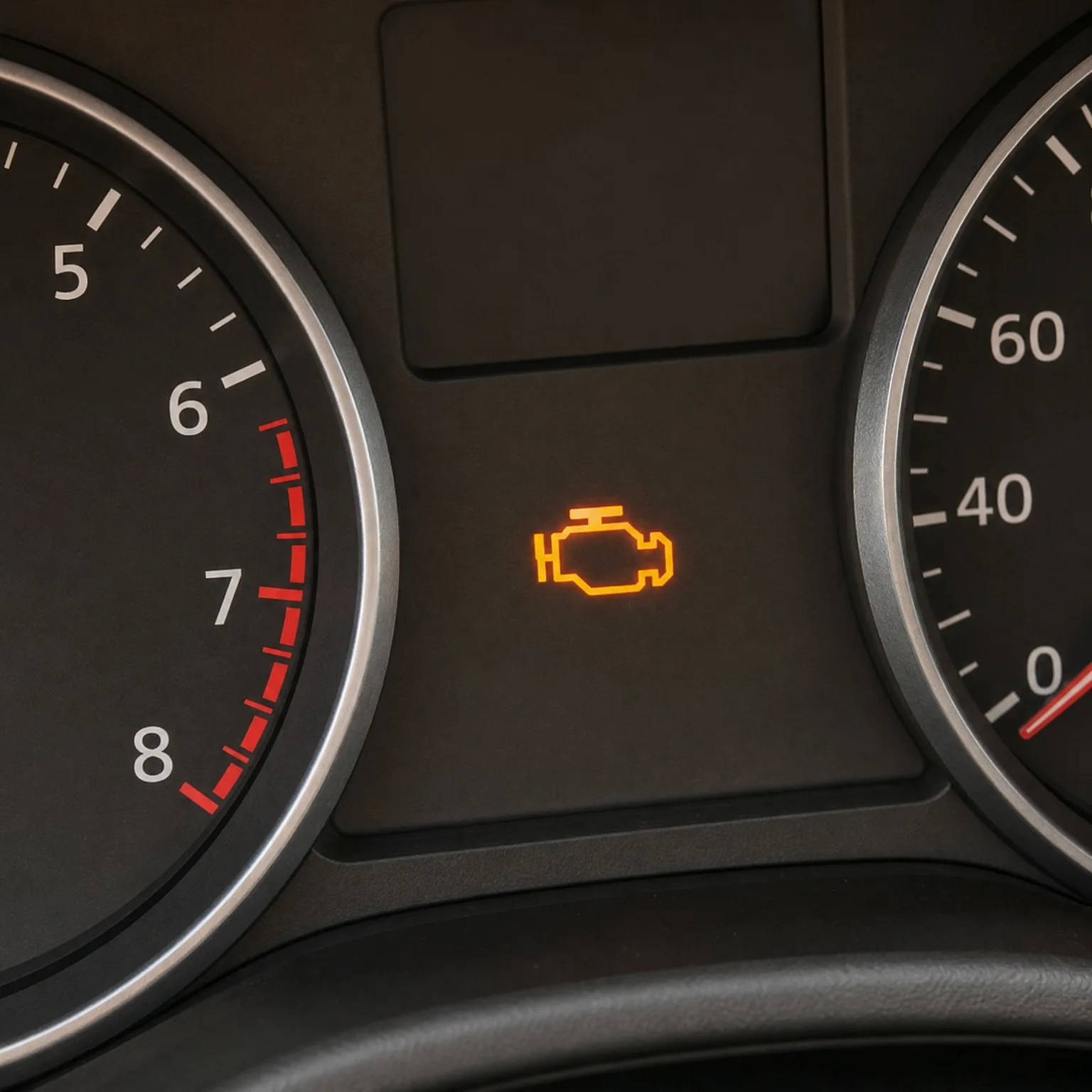
What determines who pays when your car is in someone else's hands
- Coverage follows the car Your policy is usually first in line, even if you weren't driving. Check your declarations page to see your exact liability limits before you lend your car out again.
- Permission matters a lot If you gave the person permission to drive, your policy almost certainly applies. If they took your car without asking, coverage can get complicated, so only lend your car to people you trust.
- Their policy can back yours up If damages go beyond your limits, the driver's own policy may kick in as secondary coverage. Ask regular borrowers whether they carry their own insurance, just in case.
- Your rates can still rise An accident on your policy can affect your premium even though you weren't behind the wheel. Think about this before handing over your keys for a long trip or regular use.
- Excluded drivers are a category Some policies name people who are specifically not covered, often a household member with a bad record. Check your policy documents for an exclusion list before assuming anyone is covered.

A neighbor borrows your car and backs into a fence
You lend your car to a neighbor for an afternoon so they can pick up furniture. While backing out of a driveway, they clip a fence and dent your bumper. You call your insurer, and because you gave permission to drive, your policy treats this like any other claim. You pay your deductible, the fence and bumper get fixed, and the claim goes on your record.
A few months later you notice your renewal premium went up. You hadn't realized that an accident caused by someone else, while driving your car, still counts as a claim history event for you. Next time a friend asks to borrow the car, you ask if they have their own insurance first, and you think more carefully about who gets the keys. The car got fixed and nobody was hurt, but the paperwork and the rate increase remind you that the policy is tied to the vehicle, not just to you.
Does letting someone borrow my car affect my own future rates?
Yes, it can. An accident that happens while someone else is driving your car with permission is still typically filed as a claim against your policy. Insurers look at your claims history when setting future premiums, regardless of who was actually driving at the time.
This is why many people think twice before lending a car to someone with a rough driving record or little experience, even casually. It isn't about trust in the moment, it's about the fact that your policy, and your future costs, are tied to what happens behind the wheel of your car. If you lend your car often, it's worth asking your insurer how claims involving other drivers are handled and whether there's a way to limit your exposure.
Compare quotes now that you know your policy follows the car, not just the person driving it.

Whether you let someone else drive your car
If you do
Your policy becomes primary if they crash. You handle the claim like normal, pay your deductible, and your claims history reflects it. Ask first whether they have a license in good standing and their own insurance as backup, just in case damages are serious.
If you don't
You avoid this risk entirely, but you also lose the convenience of letting someone else use your car when you need them to. Friends or family may need another plan for a ride, a rental, or their own insured car instead.
Why your policy covers the car no matter who's driving
Car insurance in most states is written around the vehicle rather than the individual behind the wheel. The logic is practical: insurers can't track every possible driver of every car, so they insure the asset and extend coverage to anyone using it with permission. This is why you're asked about household members and regular drivers when you buy a policy, but a one-time borrower is still usually covered.
Permission is the key detail underneath this rule. If you hand someone your keys and say go ahead, you've effectively extended your coverage to them for that trip. If someone takes your car without asking, that permission never existed, and insurers may treat the situation very differently, sometimes denying the claim or shifting responsibility more heavily onto the driver.
The driver's own insurance isn't irrelevant, it just usually sits in second position. If the damage or injury costs exceed what your policy covers, the borrower's insurance can sometimes be tapped to cover the rest. This is why people who frequently lend their car like to know whether the people they're lending to are insured at all.
States and insurers vary on specifics, especially around excluded drivers, household resident rules, and what counts as permissive use. If you regularly let someone else drive your car, it's worth asking your insurer directly how they'd handle that exact situation rather than assuming the general rule applies perfectly to you.
Can I exclude my teen driver from my policy to save money?
Yes, many insurers let you formally exclude a specific driver, which can lower your premium. But if that excluded person ever drives the car anyway and causes an accident, you may have no coverage at all for that incident. This only makes sense if you're certain the person won't drive your car under any circumstance, so check your insurer's exact exclusion rules before choosing this option.
What if the person driving my car has worse coverage than me?
Your policy is still primary, so your coverage limits are what matter first in most cases. Their weaker coverage mainly becomes relevant if damages exceed your limits, since their policy might be asked to cover the remainder. Check your own liability limits and consider raising them if you lend your car to many different people.
Should I ask my teen's friends about their insurance before they drive my car?
It's a reasonable precaution, especially once your teen is driving and lending the car to friends becomes possible. Knowing whether a friend has their own coverage tells you what backup exists if damages go beyond your policy. This matters most in situations involving serious injury or expensive vehicles, so ask directly rather than assuming.