What Happens if Someone Else Hits My Car
When someone else hits your car, their liability coverage pays for your damage, but how you file the claim affects how smoothly it goes.
Why the at-fault driver's insurer is supposed to pay
Car insurance is built around fault. The driver who caused the accident is financially responsible for the damage, and their liability coverage exists for exactly this. You file what's called a third party claim against their policy, and if fault is clear, their insurer pays to repair your car and often covers a rental while it's in the shop.
The catch is that you're dealing with someone else's insurance company, not your own. Their insurer's job is to pay out as little as possible, so they may be slower, more skeptical, or lowball the repair estimate. This is why many people choose to file through their own collision coverage instead, let their own insurer pay quickly, and let the insurers fight over reimbursement later through a process called subrogation.
Which path makes sense depends on how clear fault is and how fast you need your car fixed. If the other driver admits fault, has good insurance, and the damage is minor, going through their insurer directly can work fine. If fault is disputed, the other driver is uninsured or underinsured, or you need your car back fast, using your own policy first is usually faster even if you have a deductible, since your insurer later recovers that deductible for you once fault is settled.
State rules shift some of this. A few states handle fault differently regardless of who caused the crash, and whether you can recover a rental or diminished value varies by insurer and state. Check your own policy's collision and rental terms before an accident happens, not after.
What to do right after someone hits your car
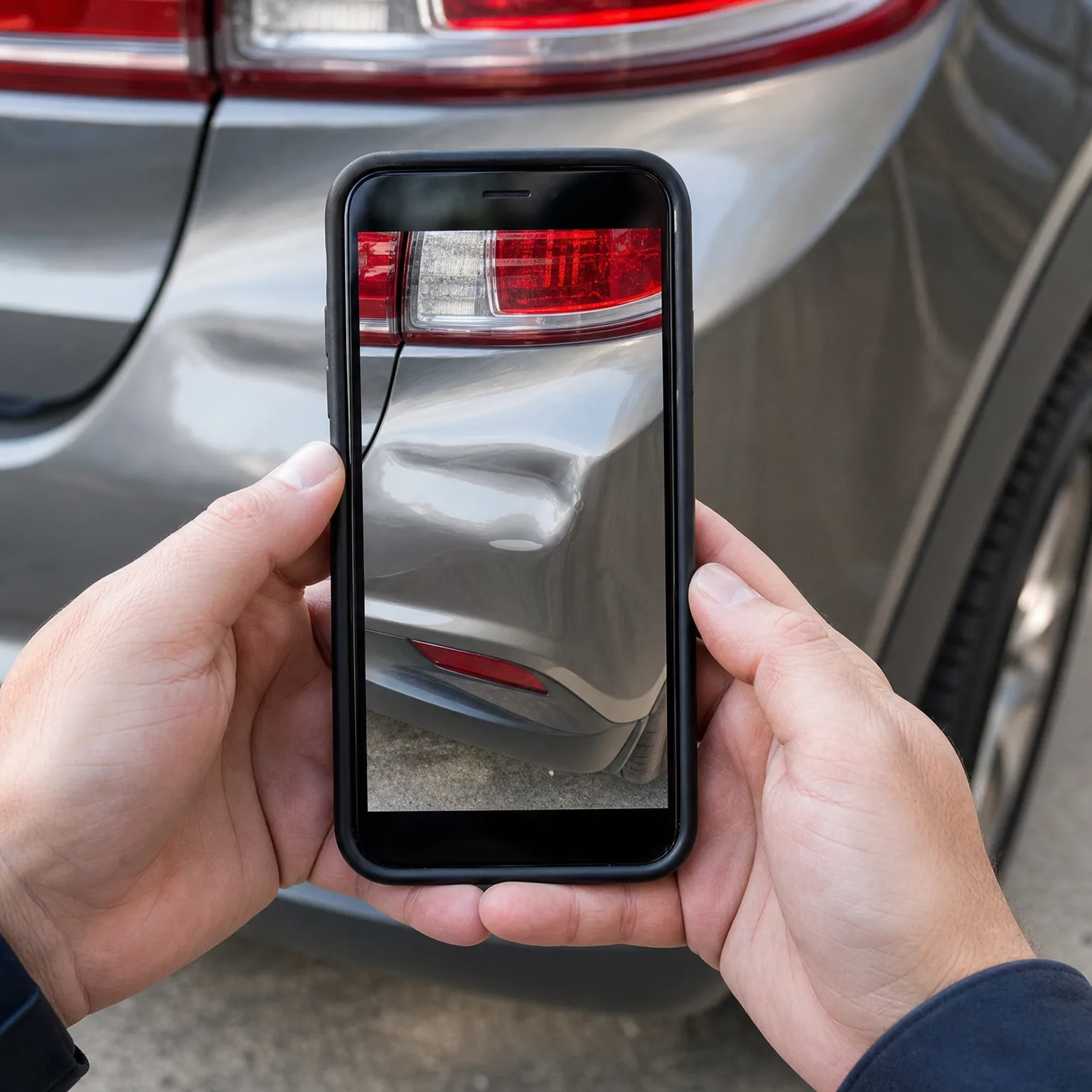
- Document the scene Take photos of both cars, the road, and any visible damage before anything moves. This protects you if fault is ever disputed later.
- Get the other driver's info Collect their name, insurance company, policy number, and license plate. Without this, filing a claim against them is much harder.
- Call the police A police report creates an official record of fault that insurers rely on. Skipping this makes a disputed claim harder to win.
- Decide which insurer to call You can file with the other driver's insurer or your own collision coverage. Call your own agent first if you're unsure which is faster.
- Track the repair estimate Get your own estimate even if the other insurer offers one. This keeps their adjuster honest about the real cost of repairs.
What if the other driver doesn't have insurance?
Then their liability coverage can't pay you, since it doesn't exist. This is where uninsured motorist coverage on your own policy becomes essential, since it's designed to step in exactly when the at-fault driver has no insurance or not enough of it.
If you have this coverage, you file a claim with your own insurer as if they were the at-fault party, and your policy pays for your damage. If you don't have it, your only paths are suing the other driver personally, which often goes nowhere if they have little money, or paying out of pocket. Check whether your policy includes uninsured motorist property damage coverage, since in some states it's optional and easy to overlook until you actually need it.
Compare quotes with strong uninsured motorist and collision coverage, so you're protected no matter who's at fault.
Will my rates go up if someone else hits me?
Usually not, if the accident is clearly the other driver's fault. Insurers generally only raise rates for accidents you caused. But if fault is unclear or split, some insurers may treat it differently, so ask your agent how your insurer specifically handles not-at-fault claims before assuming nothing changes.
How long do I have to file a claim after being hit?
It varies by state and by insurer, so check your policy and your state's rules right away rather than waiting. Filing promptly also helps because evidence, witness memory, and vehicle damage are all easier to document immediately after the accident than weeks later.
What if the other driver lies about what happened?
This is exactly why photos, witness contact info, and a police report matter so much. If accounts conflict, insurers and police reports become the deciding evidence, so the more you document at the scene, the less the outcome depends on whose story sounds more convincing.
Your own policy, not theirs, is often what actually gets your car fixed quickly.