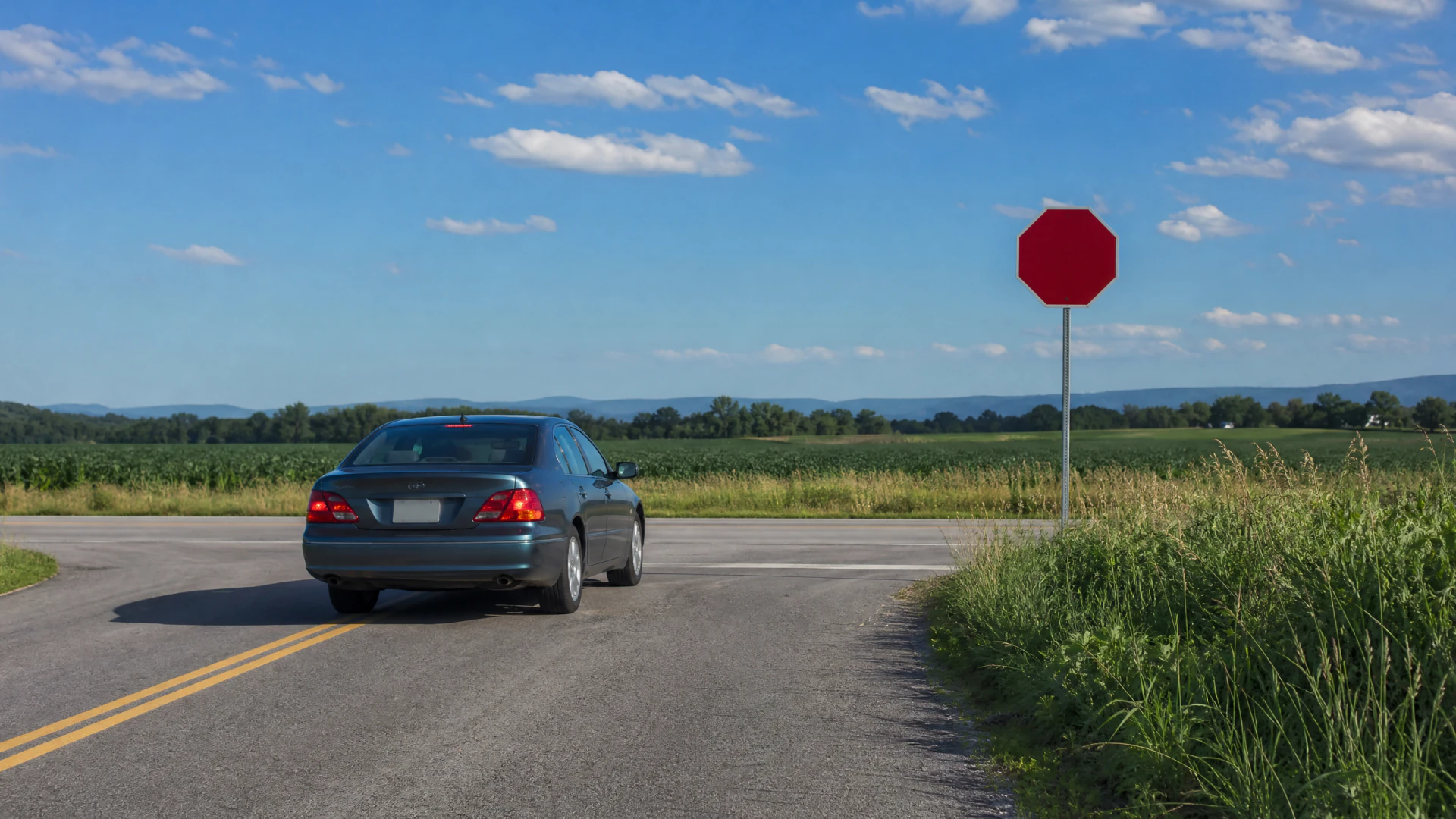
What Happens if You Take Your Parents Car Without Permission
If your teen lives in your home, your policy almost always still covers the car, permission or not.
What actually changes when a teen drives without asking
- Coverage usually still applies Insurers cover the car itself, not just who's behind the wheel, as long as the driver lives in your household. Confirm this with your policy's definition of a covered driver.
- Blame differs from coverage Taking the car without asking can matter for discipline, but it rarely voids coverage. Ask your insurer how they define authorized use in your state.
- Any crash still raises rates A claim is a claim, however the car was taken. Expect your premium to reflect it at renewal regardless of the circumstances.
- Exclusions are the exception If you specifically excluded your teen from the policy, this changes everything. Check your declarations page to see if that's the case.
- Outside drivers change things If someone outside your household borrowed the car, coverage gets murkier fast. Call your insurer before assuming anything is covered.

The short version
If your teen lives with you, your policy almost certainly still covers the car even without permission, though any crash still counts against your record and rates. The one exception is if you've formally excluded them as a driver. Check your declarations page to be sure, then talk to your teen about what unauthorized use actually risks.
Will my insurance drop my teen for driving without permission?
Unlikely on its own. Insurers care much more about whether a claim was filed and what it cost than about the family dispute behind it. Taking the car without asking is a parenting issue first and an insurance issue only if something happens while they're driving.
What actually puts coverage at risk is a pattern, not a single incident. Repeated claims, a history of violations, or a teen who was formally excluded from the policy are the things that change an insurer's willingness to keep covering them. A one-time unauthorized trip that ends without a claim typically leaves your policy untouched.
If you're worried about a specific situation, the fastest way to know where you stand is to ask your insurer directly how they define household drivers and excluded drivers on your policy. That answer varies by company and state, and it's worth knowing before anything happens, not after.
Compare quotes now that you know your teen is covered either way, so you can find the best rate for that reality.

Why permission matters less than you'd think
Car insurance is built around the vehicle and the household, not around a single moment of consent. When you add your teen to your policy, or even when you don't but they live with you, insurers generally treat them as a permitted user of any car in the household. That's because most policies define coverage by relationship and residency, not by whether you said yes on a given day.
This is why a teen sneaking out with the keys doesn't usually void coverage the way people expect. Insurers know that family disputes happen and that enforcing a strict permission requirement would make claims nearly impossible to sort out. Instead, they ask a simpler question, was the driver someone reasonably expected to use this car. A resident teen almost always meets that bar.
Where it gets different is when the teen has been excluded by name, which some families do specifically to lower premiums. An exclusion is a deliberate, written decision, and it means the insurer has agreed in advance that this person's driving isn't covered under any circumstance. If that's the case, a crash while driving without permission can leave you paying out of pocket entirely.
It also changes if the driver isn't part of your household at all. A friend or classmate borrowing the car without asking falls into different territory, and coverage can depend heavily on your state's rules and your specific policy language. That's the scenario worth a direct call to your insurer, not an assumption either way.
The real risk isn't losing coverage, it's the rate increase and the trust broken at home.