What Is a Common Mistake for New Drivers
The most common mistake is treating the license as the finish line, when the hardest driving situations haven't been practiced yet.

A quiet highway merge that cost more than it should have
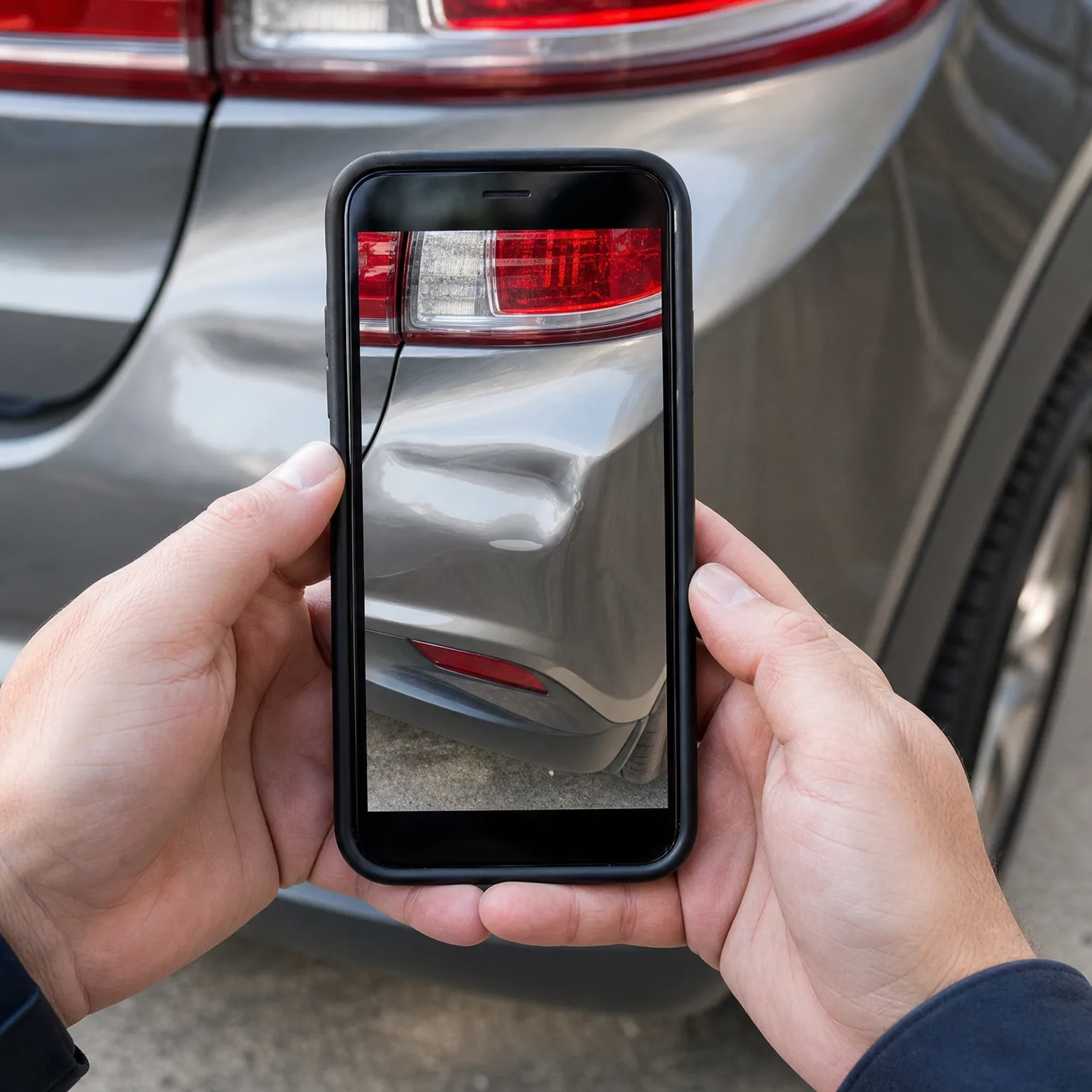
A father let his daughter drive solo for the first time on a familiar stretch of highway to her part time job. She'd done fine with a parent in the car for months, so he figured the real test was just handling traffic without someone watching. Three weeks in, she misjudged a merge during rain and clipped another car's bumper. Nobody was hurt, but the claim went through her father's policy because she was still listed as a covered driver on his car.
What he realized afterward was that her permit-stage driving and her solo driving were two different skills, and nobody had bridged the gap. She'd never practiced merging in rain with a parent coaching her through it, because by the time she got her license, those drives had mostly stopped. He changed how he handled it with his younger son two years later, keeping supervised drives going in harder conditions even after the license came, and treating the first few months of solo driving as an extension of training rather than the end of it.
Will one mistake like this raise our rates for years?
It depends on the mistake and the state you're in, but a single at-fault claim or ticket usually affects pricing for a few years rather than permanently. Insurers look back over a set window of time, and that window varies by company and by state, so a mistake doesn't follow a driver forever even though it can feel that way right after it happens.
What matters more than the single incident is the pattern. One claim during the riskiest years of driving is something insurers expect and price for already. A second incident close behind it is what actually shifts pricing hard, because it signals the first one wasn't a fluke. Ask your insurer directly how far back they look and whether safe driving afterward can offset it sooner, since policies on this differ.
The risk isn't bad judgment, it's untrained judgment, and that gets fixed with practice.
Once you know the habit that causes most teen claims, compare quotes built around coverage that rewards preventing it.
Keep coaching after the license or stop at the test
If you do
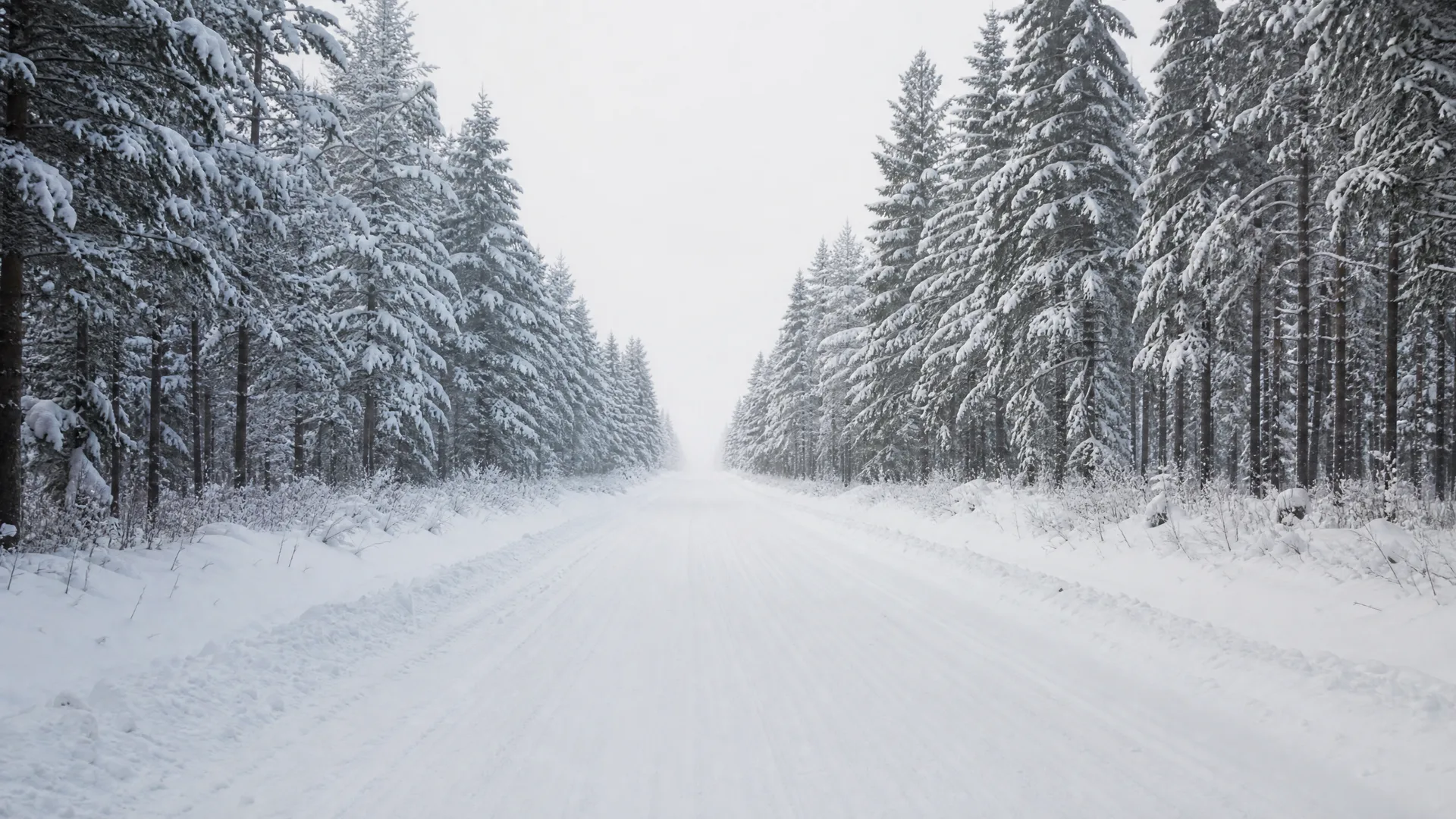
You keep riding along on harder drives, like highway merging, night driving, and bad weather, for a few more months. Your teen builds judgment in situations the test never covered. Claims tied to these specific conditions become far less likely, and your premium reflects a driver who's actually been tested where it counts.
If you don't
Driving stops being supervised the day the license arrives. Your teen's first real exposure to rain, highway speed, or night glare happens alone, often within the first few months. That's exactly when inexperience meets a hard situation for the first time, and it's where a large share of new driver claims come from.
The mistake isn't recklessness, it's inexperience
- Stopping practice too soon Parents often treat the license as the finish line. Keep riding along for tougher conditions like highways and night driving for a few more months.
- Driving with passengers aboard Extra teen passengers are one of the biggest factors in teen crashes. Set a rule limiting passengers for the first several months of solo driving.
- Misjudging speed and distance New drivers underestimate how fast situations develop at speed. Practice specifically on highway merging and sudden braking before letting them drive it alone.
- Underrating night driving Reaction time and visibility both drop at night for an inexperienced driver. Delay solo night driving until daytime habits are fully automatic.
- Not reporting near misses Teens often hide close calls to avoid trouble, so parents never learn where the gaps are. Ask about near misses directly and without punishment so you can keep coaching.
Why the license doesn't mean the learning is finished
A license tests whether someone can drive under controlled, predictable conditions. It doesn't test how they react the first time a car swerves into their lane, or how they handle a highway on-ramp during rush hour. Those situations require judgment that only comes from repetition, and repetition is exactly what stops the moment supervised driving ends.
Insurers price new drivers high not because they expect recklessness, but because the data shows inexperience itself is the risk. The specific mistake that shows up again and again isn't speeding or showing off, it's misjudging a situation that an experienced driver would read correctly without thinking. Night driving, wet roads, merging, and distracted attention from passengers all show up disproportionately in teen claims, not because teens are careless, but because they haven't yet built the automatic responses that experience creates.
This is also why the mistake is so fixable. Unlike a personality trait, inexperience responds directly to more structured practice in exactly the situations where it tends to fail. Parents who extend supervised driving past the license date, even informally, are addressing the actual cause rather than hoping maturity solves it on its own.
Where this plays out differently is with teens who already have unusual amounts of driving experience, like those raised on farms or in families that drove together constantly before the license. Insurers and reality both treat that differently, because the risk was never really inexperience to begin with. For most new drivers though, the gap between passing a test and handling the road is real, and closing it is the actual work of the first few months.