
What Is a Good Car for a Teen Girl to Drive
A good car for a teen girl is a midsize sedan or small SUV with a strong safety record, modest power, and low repair costs.
Safety ratings and a calm engine matter more than style
Insurers and safety researchers agree on the same basic formula for a new driver. You want a vehicle that's heavier than the smallest cars on the road, because mass still matters in a crash, but not so large that it's hard to see out of or control. You want modern safety features like automatic emergency braking and a strong crash test record, because those systems cover for the reaction time a new driver hasn't built yet.
Horsepower is the other half of the equation. A car with a smaller, less powerful engine doesn't tempt speed the way a sportier model does, and that matters more for a new driver than for an experienced one. This isn't about gender, it's about experience behind the wheel, so the same logic applies to a teen son in the same seat.
Cost works underneath all of this in a way that's easy to miss. A car that's cheap to repair and common enough that parts are easy to find will usually cost less to insure, because insurers price around how expensive claims tend to be, not just how risky the driver is. A slightly older, well-rated sedan often beats a flashy newer model on this measure.
Where this changes is based on where you live and what your insurer actually rewards. Some insurers give real credit for specific safety features or anti-theft equipment, others weight the car's price tag more heavily than its features. Check with your insurer directly before you assume a car is a smart financial choice just because it seems safe.
Choosing between a hand-me-down sedan and a smaller new car
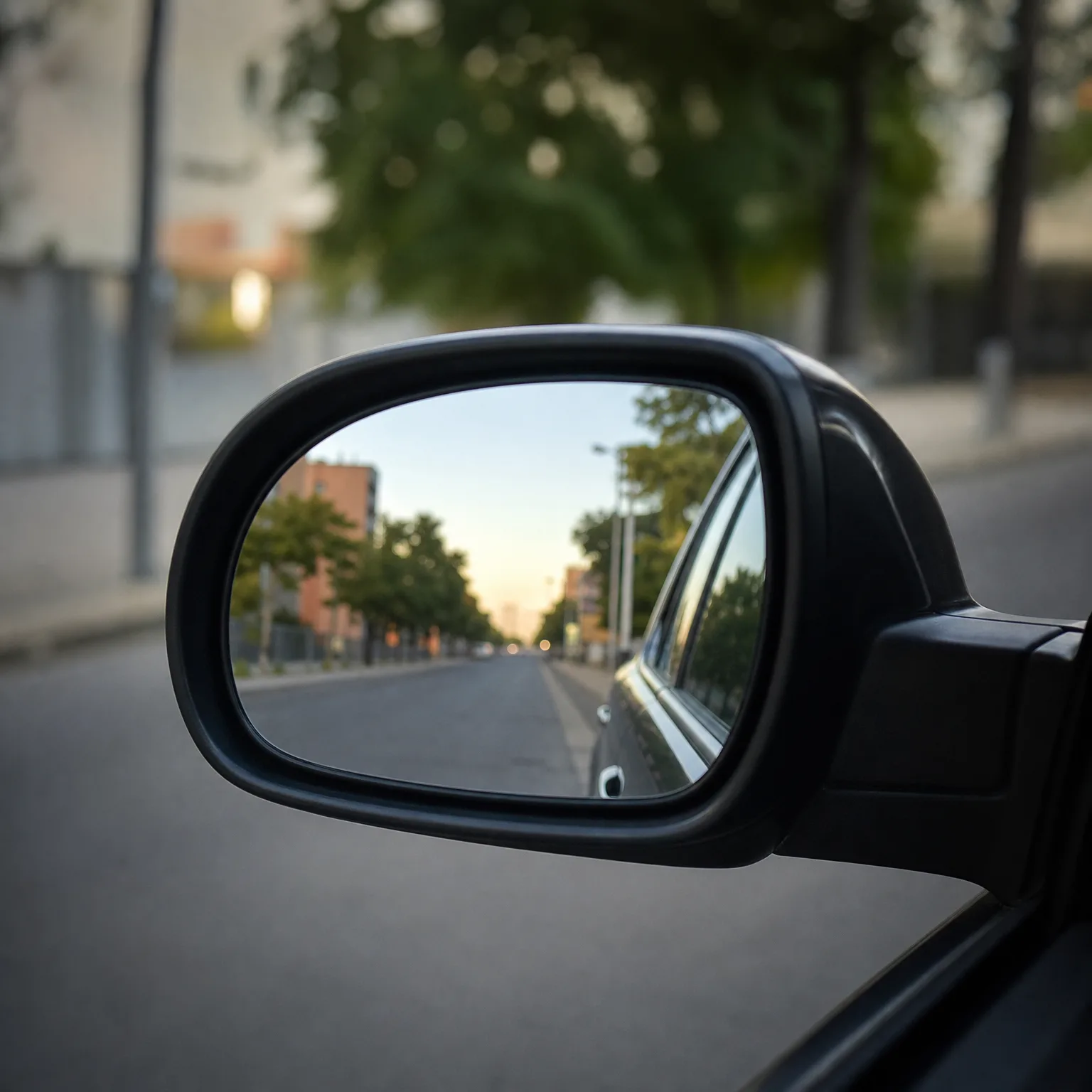
A parent had an older midsize sedan sitting in the driveway, paid off and reliable, and was deciding whether to hand it to their daughter or trade it in toward something smaller and newer for her first car. The sedan had a solid crash rating from when it was bought years earlier, modest horsepower, and parts that were cheap and easy to find because the model was common.
They called their insurer before deciding anything. The quote to add their daughter to the older sedan came in lower than the quote for a new compact SUV with a sticker price nearly twice as high, even though the SUV had slightly newer safety tech. The repair costs and replacement value were driving the difference more than the features were. They kept the sedan, used the savings to add better tires and a dash camera, and treated the decision as settled rather than revisiting it every time a new model came out.
Should I buy my teen daughter a brand new car instead of a used one?
Usually no, and the reasoning is financial rather than about safety. A brand new car depreciates quickly in the first few years, and if a new driver is involved in an accident, you're insuring a vehicle that loses value fast while costing more to repair or replace.
A car that's a few years old, with strong safety ratings and a clean history, usually gives you the same practical safety benefits at a lower insurance and ownership cost. The exception is if a new car comes with safety technology that an older model genuinely lacks, like more advanced automatic braking. In that case, weigh the technology gain against the cost difference directly with your insurer rather than assuming newer always means safer.
Once you've settled on the kind of car, compare quotes to see which insurer actually rewards that choice.
What actually makes a car right for a new teen driver
- Size and weight A midsize sedan or small SUV protects better than a tiny subcompact in most crashes. Avoid the smallest and lightest models on the lot even if they seem easier to park.
- Safety ratings Look up independent crash test results before you look at anything else, including price. A high rating is worth more than a low odometer reading.
- Horsepower stays modest A less powerful engine means less temptation to speed and less car to manage in an emergency. Ask the dealer or look up the engine specs before you decide.
- Repair costs stay low Common models with cheap, available parts cost less to insure and less to fix after a fender bender. Ask your insurer directly how a specific model prices out before you buy it.
- Anti-theft and safety tech Features like automatic braking or built-in anti-theft systems sometimes earn a real discount. Check with your insurer which specific features they actually credit.
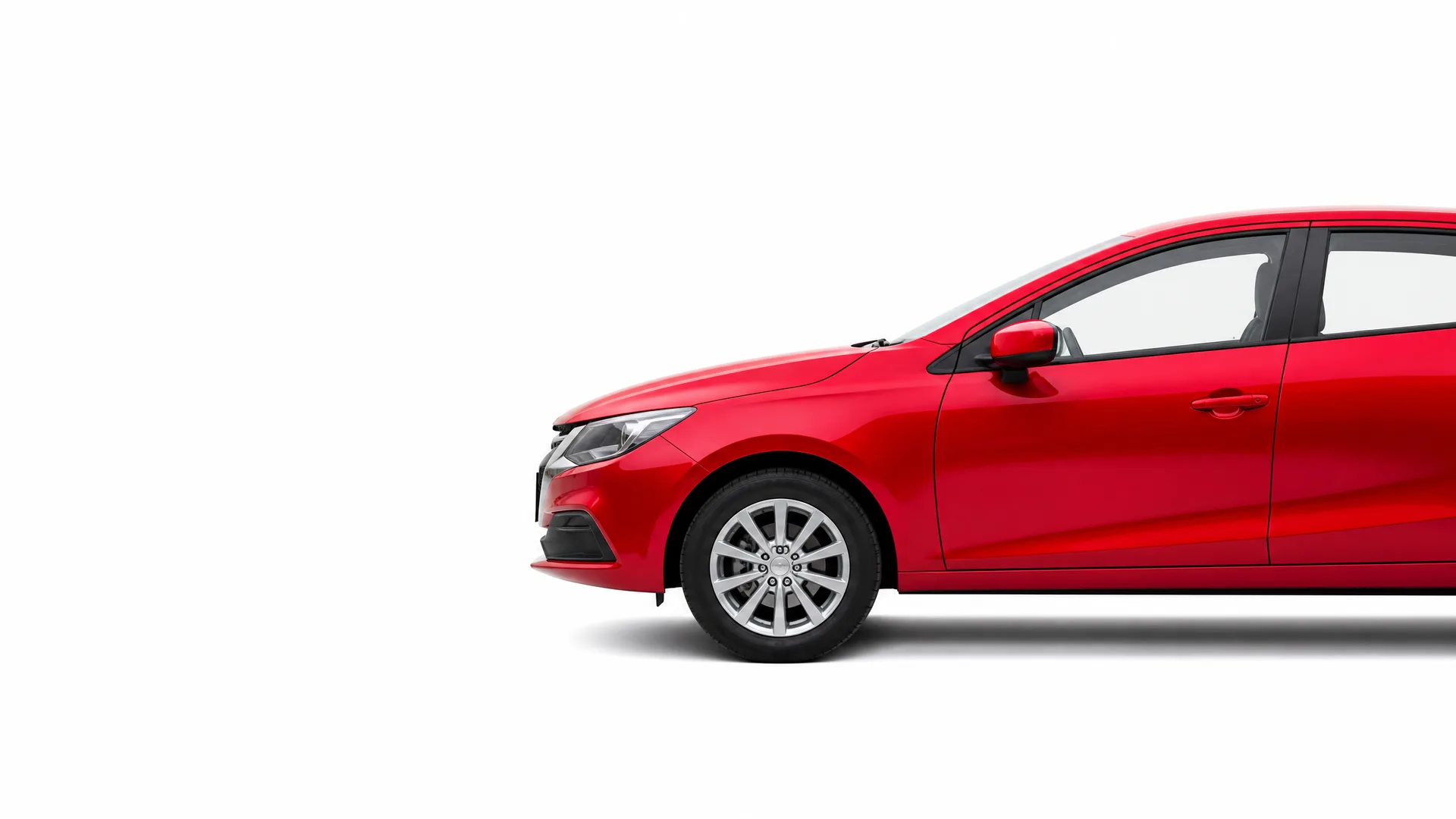
The car's price tag matters less to your rates than its safety record and repair cost.
Does adding my daughter to my policy cost less than a separate policy for her car?
Usually yes, because insurers often give a discount for multiple cars and drivers on one combined policy rather than two separate ones. The gap can be large enough to change which car you choose, so ask your insurer to quote it both ways before deciding. This can shift if she's away at school for most of the year without a car there, which sometimes qualifies for a different kind of discount. Always confirm directly since the rules vary by insurer and by state.
Will good grades actually lower my teen's insurance rate?
In many cases yes, insurers offer a discount for students who maintain strong grades, treating it as a sign of responsibility that correlates with safer driving. Ask your insurer directly whether they offer this and what grade threshold or proof they require. It's worth asking even if you weren't told about it upfront, since it's not always advertised clearly. This discount is separate from safe driver programs, so ask about both.
Should my teen drive the oldest car in the family or the newest one?
The oldest practical car with strong safety ratings is usually the better choice, not the newest one. Older cars cost less to replace and often less to insure, which matters more while a new driver is still building experience and history. The exception is if the older car lacks basic safety features the newer one has, like stability control or decent airbags. Compare the specific models rather than assuming age alone settles it.


