
What Is a Good Car to Buy a Teenage Boy
The best car for a teenage boy is a midsize sedan or small SUV with a stable, forgiving design, not the fast or flashy option he'll ask for.
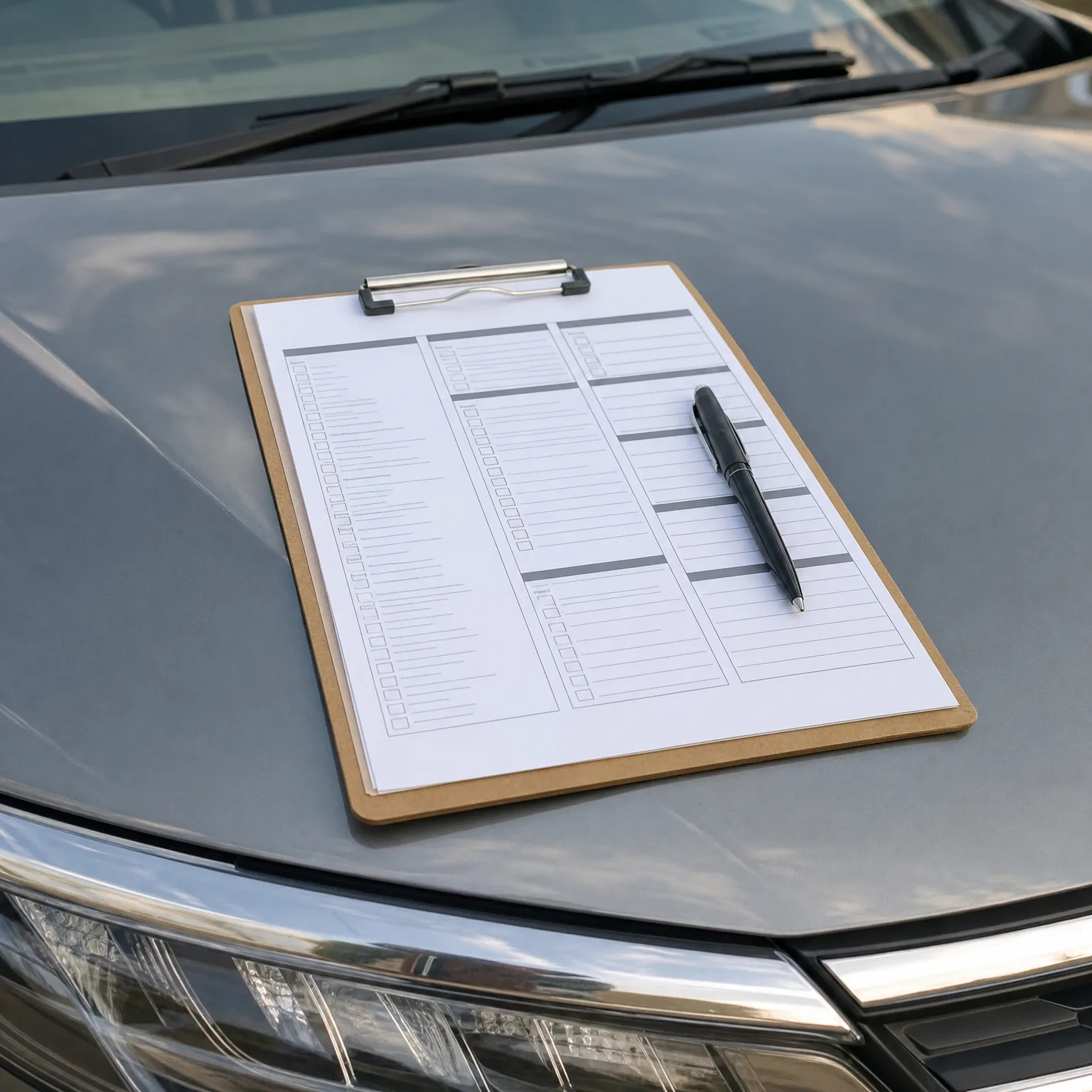
What actually matters when you're choosing
- Size and weight Bigger, heavier vehicles protect better in a crash than small cars. Skip the tiny compact and look at a midsize sedan or SUV instead.
- Horsepower, kept low A powerful engine gives an inexperienced driver more speed than judgment. Choose a modest engine so the car can't outrun his skill level.
- Stability over style Trucks and SUVs with a high center of gravity roll over more easily. Pick a vehicle built low and wide, not one built tall and sporty.
- Safety tech that's proven Electronic stability control and forward collision warning reduce real crashes. Confirm these come standard, not as an optional add-on.
- Age of the car A slightly older, well-maintained vehicle often beats a brand-new one on total cost. Have it inspected before you buy so hidden problems don't become his problems.
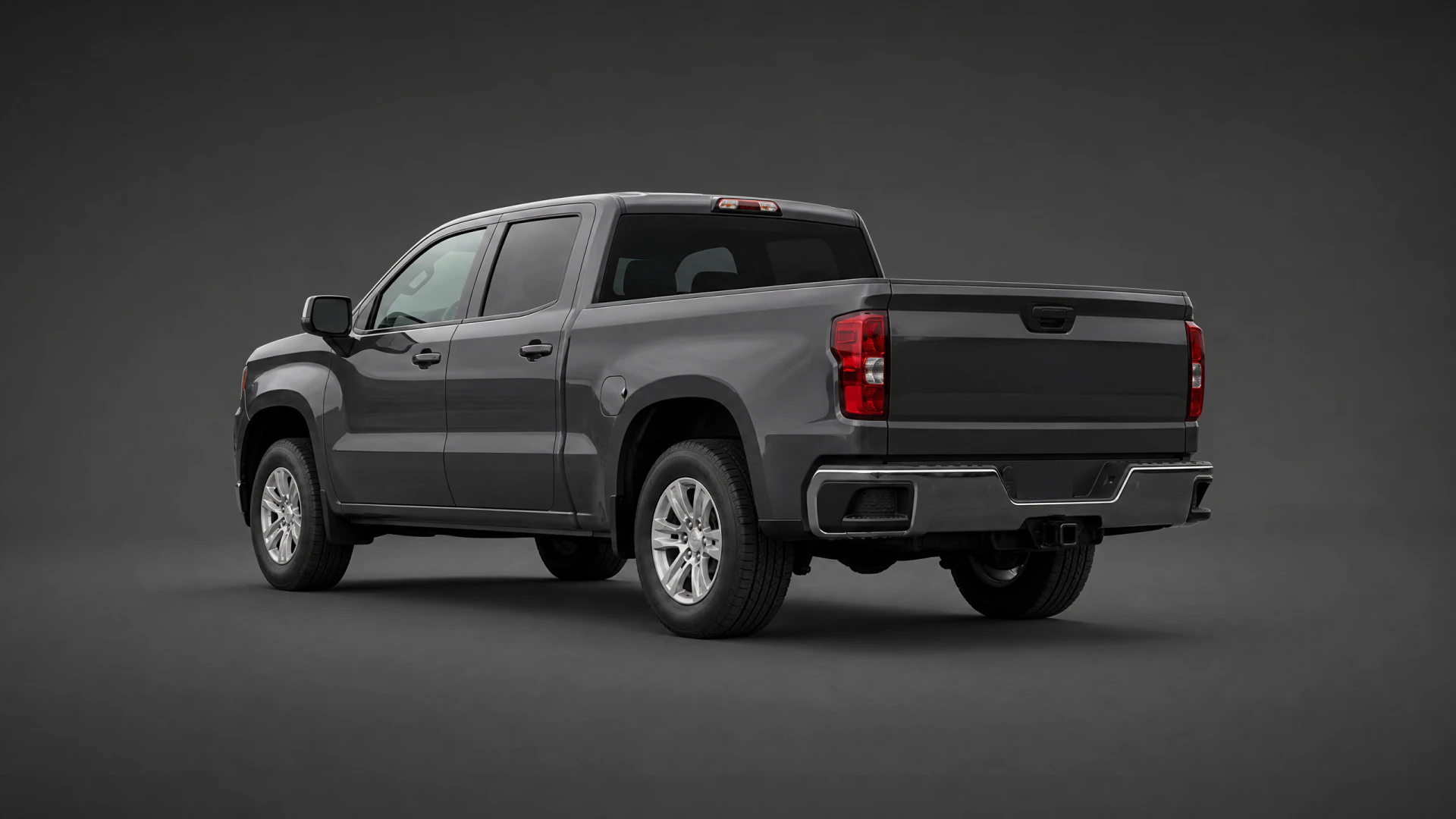
The short version
A good car for a teenage boy is a midsize sedan or small SUV, modestly powered, stable, and equipped with modern safety features. The reasoning is simple: inexperience plus power plus instability is what turns ordinary mistakes into serious crashes. Next, make a short list of vehicles that fit those traits before you even look at price.
A father choosing between two used cars
A father had saved enough for either a used sports coupe his son wanted or a plain sedan that bored him. The coupe had more horsepower and a lower stance, exactly the traits that make a car feel exciting and exactly the traits that make small driving errors harder to recover from. He test drove both, then pulled up the safety ratings and insurance quotes for each.
The sedan's quote came in noticeably lower, and it had the stability control and collision warning the coupe's trim lacked. He explained his reasoning to his son directly, framing it as data rather than punishment, and let him pick the color and interior trim as a concession. A few months in, the son admitted the sedan's predictability made him feel more confident merging and parking, not less capable. The father kept the coupe on a wish list for later, once more seat time had built real judgment.
Once you've picked the kind of car that fits, compare quotes to see what it actually costs to insure him on it.
Why boring cars work better than exciting ones
Insurers and safety researchers look at the same basic pattern again and again. Young male drivers have the highest crash rates of any group, largely because reaction time and risk judgment are still developing, not because of attitude or carelessness. A car that forgives a late brake or a sharp swerve matters more for this driver than for almost anyone else on the road.
Weight and size work in the driver's favor in a crash, which is why a heavier midsize vehicle generally outperforms a small or lightweight one in real-world collisions. Horsepower works against him, because more power means more speed is available at the exact moment he has the least experience managing it. Stability matters because a vehicle that's tall relative to its width is more prone to rolling over during the kind of sudden steering correction a new driver is more likely to make.
This isn't about restricting him forever. It's about matching the car to where he is right now, in his first year or two behind the wheel, when the gap between confidence and skill is widest. As he logs more hours and more varied driving conditions, that gap narrows, and the case for a more capable or spirited car gets stronger.
Where this varies is mostly in what safety features come standard. Some states and some insurers put more weight on specific equipment than others, so check what's required or rewarded in your state before you finalize a choice. The core logic, though, holds everywhere: pick the car that limits the cost of a mistake, not the one that rewards confidence he hasn't earned yet.
The car's job isn't to match his skill, it's to cover for the moments his skill runs out.
Should I buy a new car or a used one for my teenage son?
A used car that's a few years old, well-maintained, and equipped with modern safety features is usually the smarter choice over a brand-new one. The reasoning isn't really about the car being new or used, it's about total cost and risk. New cars depreciate quickly and cost more to insure and repair, and a first fender bender hurts less financially when it happens to a car that's already lost most of its value.
The exception is when a used car's age means it's missing safety technology that's become standard more recently. In that case, a newer used model, even if it costs a bit more, can be worth it because the safety gap matters more than the price gap. Check the specific vehicle's features rather than assuming age alone tells you enough, and have any used car inspected by a mechanic you trust before you commit to it.


