What Is a Good First Car at 17
A good first car at 17 is mid-size, modest on horsepower, with strong safety ratings and low repair costs, not flashy or tiny.
Why boring cars protect your teen and your wallet
Insurers price a car by how often cars like it get into claims and how expensive those claims are to fix. A teen driver already raises the risk side of that equation. Pair that with a sporty or high-horsepower car and the premium reflects both risks stacked together, the inexperienced driver and the car that invites speed.
Size and weight matter too. In a crash, a heavier, mid-size vehicle generally protects its occupants better than a small, light one. That's physics, not opinion, and it's part of why larger sedans and crossovers show up so often as recommended first cars. A small car might be easier to park and cheaper to buy, but it gives up some of that protection.
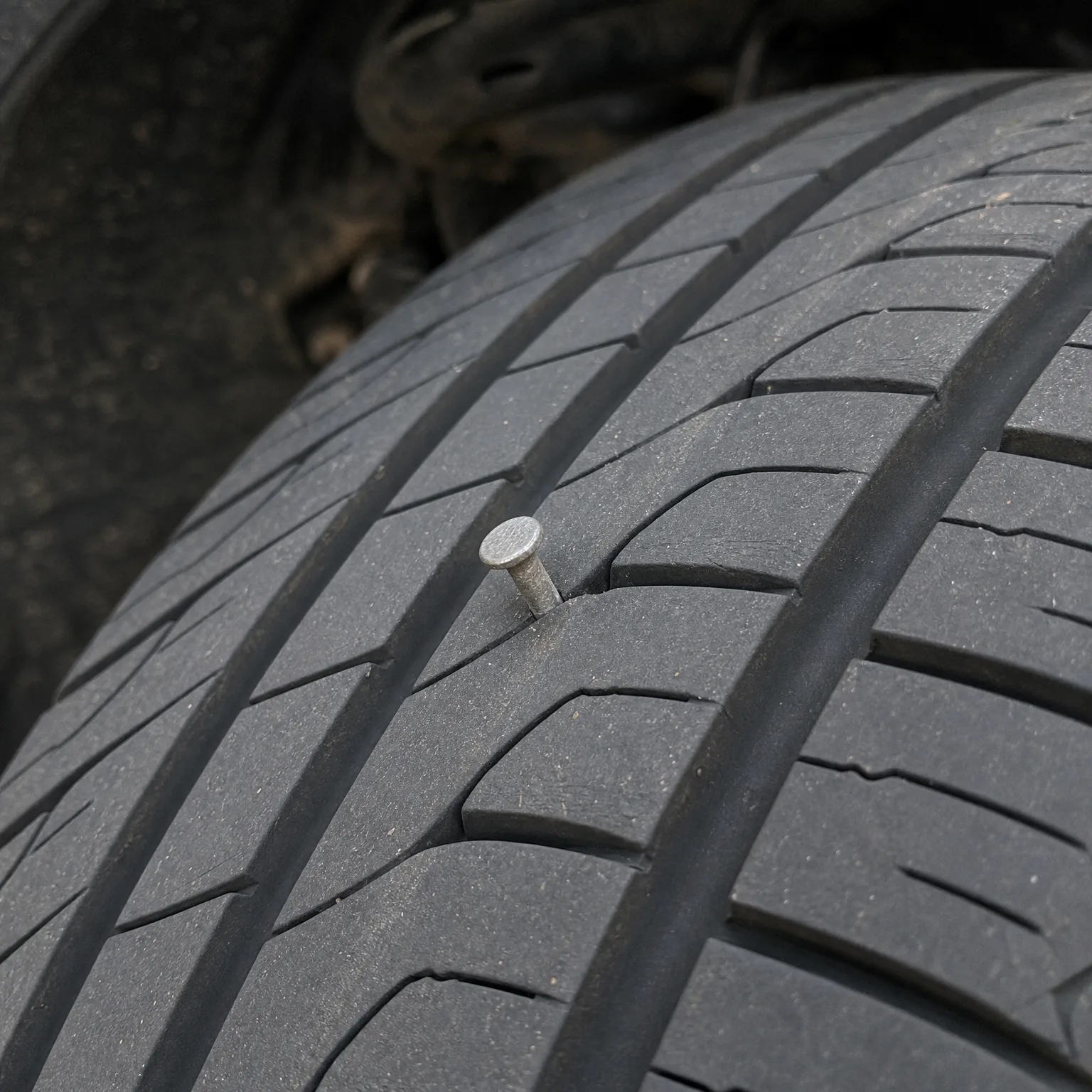
Repair cost is the quieter factor parents miss. Two cars can have identical safety ratings and wildly different insurance costs because one has expensive parts or a high theft rate. A good first car is boring in the sense that it's common, so parts are cheap and widely available, and it's not a model thieves target.
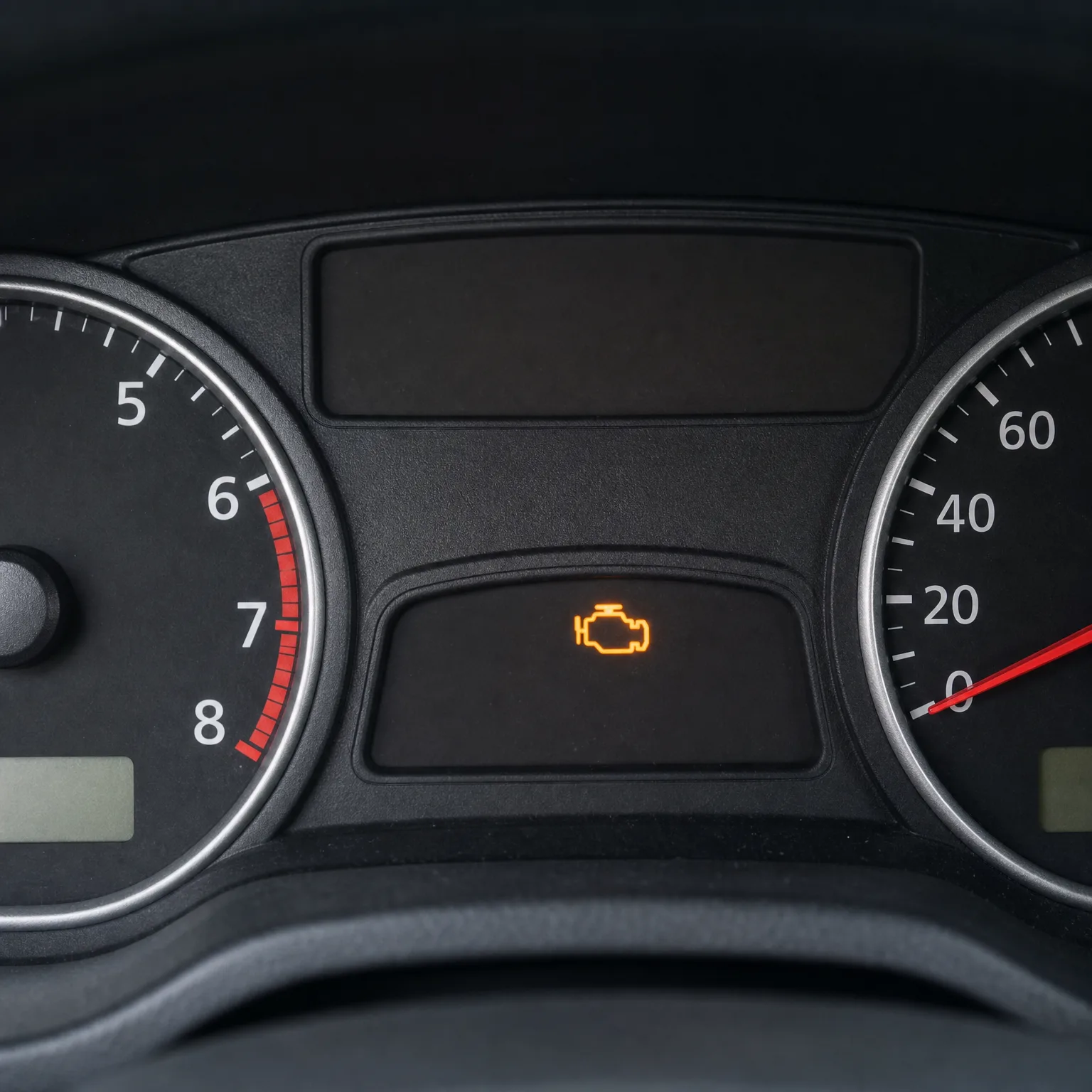
Where this varies is in the specific safety features you should prioritize, since some matter more depending on the roads your teen actually drives. Check what safety technology is standard versus optional on any car you're considering, because the same model name can mean very different equipment year to year.
What actually makes a car good for a new driver
- Horsepower stays modest Lower horsepower limits how fast a mistake can turn serious. Look for a trim with a smaller engine rather than the performance version of the same car.
- Safety ratings are strong Crash test scores tell you how the car behaves when something goes wrong, which it will eventually. Compare ratings across a few similar models before deciding.
- Size favors mid or larger A mid-size sedan or crossover generally protects better than a subcompact in a collision. Weigh this against how comfortable your teen is parking and maneuvering it.
- Parts and repairs stay cheap Common, widely sold models are cheaper to fix after the inevitable fender bender. Ask a mechanic or look up repair cost estimates before buying.
- It isn't a target for theft Some models get stolen far more than others, which raises both your risk and your premium. Check theft rate data for any specific car you're seriously considering.
A family choosing between two options on the lot
A father and his 17-year-old daughter were deciding between a used compact hatchback with a turbocharged engine and a slightly older mid-size sedan with a plain four-cylinder. The hatchback was newer and more fun to drive, and she wanted it. He called their insurer first to ask about both, before committing to anything.
The quote for the sedan came in noticeably lower, and the agent explained the turbo engine and the car's higher theft rate both played a role. He also found the sedan had better crash test scores for the specific trim they were looking at. They bought the sedan, and she was frustrated for about a week before she stopped thinking about it. A year later, after a minor parking lot scrape that cost little to fix, he was glad they'd gone with the cheaper, plainer car instead of eating a bigger repair bill and higher premium combined.
Once you've picked the kind of car that fits your teen, compare quotes to see what it costs to insure before you buy.
Should I buy a brand new car or an older used one for my teen?
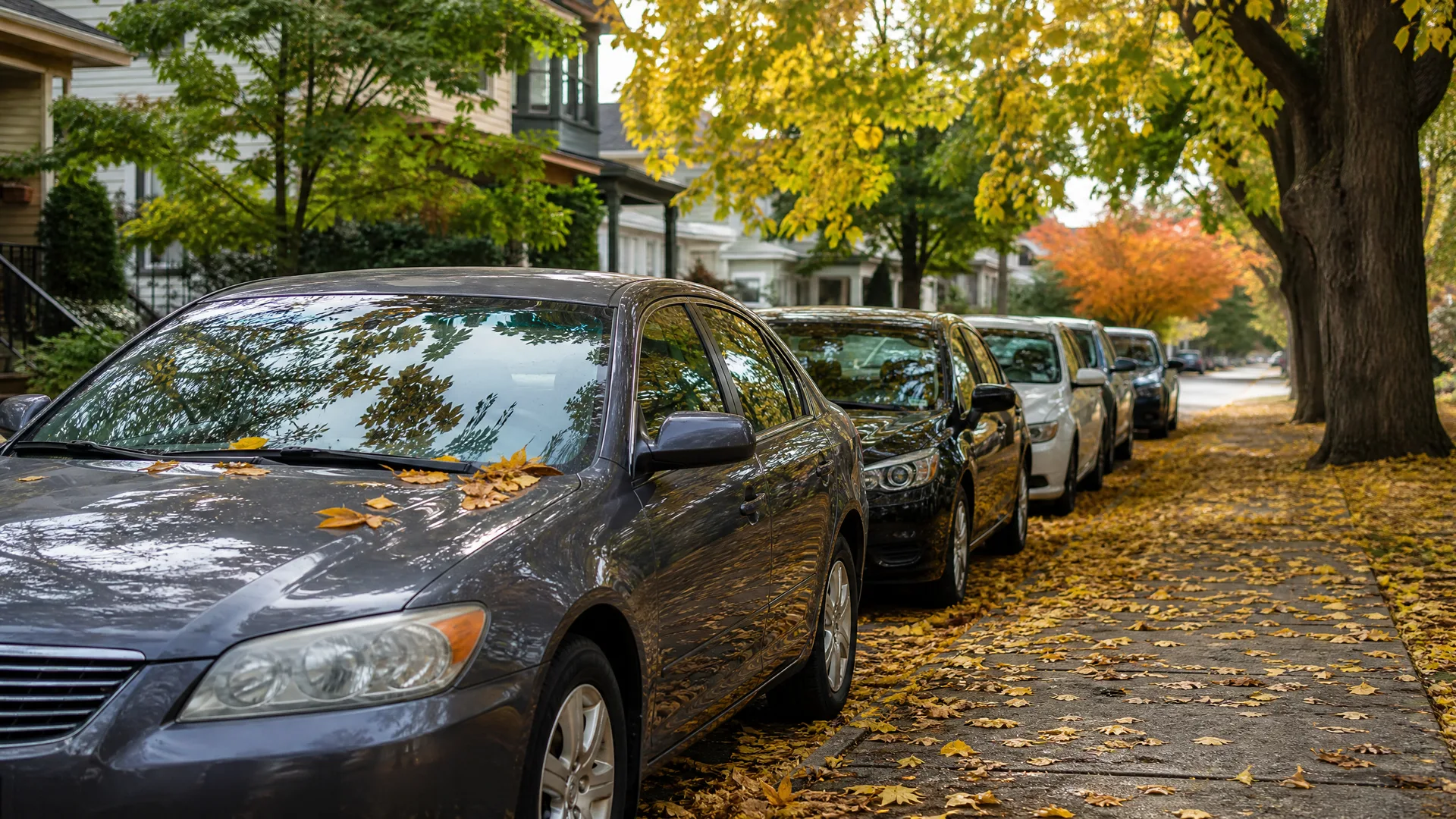
An older, well-rated used car is usually the smarter choice for a new driver. It costs less upfront, costs less to insure since insurers weigh a car's value into comprehensive and collision coverage, and a scrape or scratch won't sting nearly as much financially or emotionally.
A brand new car also depreciates fast in the first few years, so you lose money quickly on something likely to get its first dents during a learning period. The exception is if newer safety technology genuinely changes the equation for you, since some driver assistance features have improved a lot in recent years. If that matters to you, look for a used car that's a few years old rather than brand new, so you get the technology without the steepest depreciation.
Should my teen be on my policy or have their own policy?
Almost always, keeping your teen on your existing policy costs less than a separate policy in their own name. Insurers typically offer a lower combined rate for a household policy than two individual ones, since a teen alone is rated as very high risk with no claims history of their own to offset it. Check with your insurer directly, since the math can shift if your teen owns the car outright and titles it in their name, or if your own driving record has issues that would drag down a shared policy.
Does adding my teen as a driver cost less than buying them their own car?
Usually yes, having your teen drive an existing family car costs less than buying and insuring a separate car just for them. A second car means a second set of comprehensive and collision costs on top of the teen-driver increase. Check whether your household actually needs a third car at all, since many families find the teen can share a car with a parent's schedule, at least at first, before deciding a dedicated car is worth the added cost.
What discounts exist for teen drivers that I should ask about?
Most insurers offer some combination of good student discounts, driver training course discounts, and discounts for cars equipped with certain safety features. Ask your agent directly what your specific insurer offers, since this varies company to company and sometimes state to state. Also ask about telematics or monitored driving programs, since some insurers use actual driving data to adjust a teen's rate over time rather than relying only on age and car type.