
What Is a Good First Car with Low Insurance
A good first car for low insurance is a modestly priced, mid-size vehicle with strong safety ratings and a small, ordinary engine.
Choosing Between Two Cars a Family Actually Cross-Shopped
A parent had narrowed the choice to two used cars for their newly licensed teen. One was a sporty two-door coupe with a bigger engine, the kind the teen really wanted. The other was a plain four-door sedan, a few years old, with a strong safety record and nothing flashy about it. The parent called their agent before buying either one, and the quote gap between the two cars was large enough to change the decision on the spot.
They went with the sedan. It wasn't the exciting choice, but it had the features insurers reward, dependable crash ratings, a common replacement parts supply, and an engine that didn't flag it as high performance. The teen drove it to school and practice for two years with no claims. When it came time to renew, the family's rate held steadier than they expected, and the parent credited that first decision, made before any money changed hands, for most of it.
Does the Car Matter More Than the Teen Driver's Record?
No. The driver's record matters more over time, but the car sets your starting point before any record exists. A new teen driver has no history yet, so insurers lean harder on the vehicle itself to judge risk. That's why the car choice carries unusual weight in these first years.
Once your teen has a few years of clean driving behind them, the balance shifts. Their own record starts to matter as much as or more than the car. So think of the vehicle choice as something that matters most right now, during the period you're worried about, and matters gradually less as your teen builds a track record of their own.
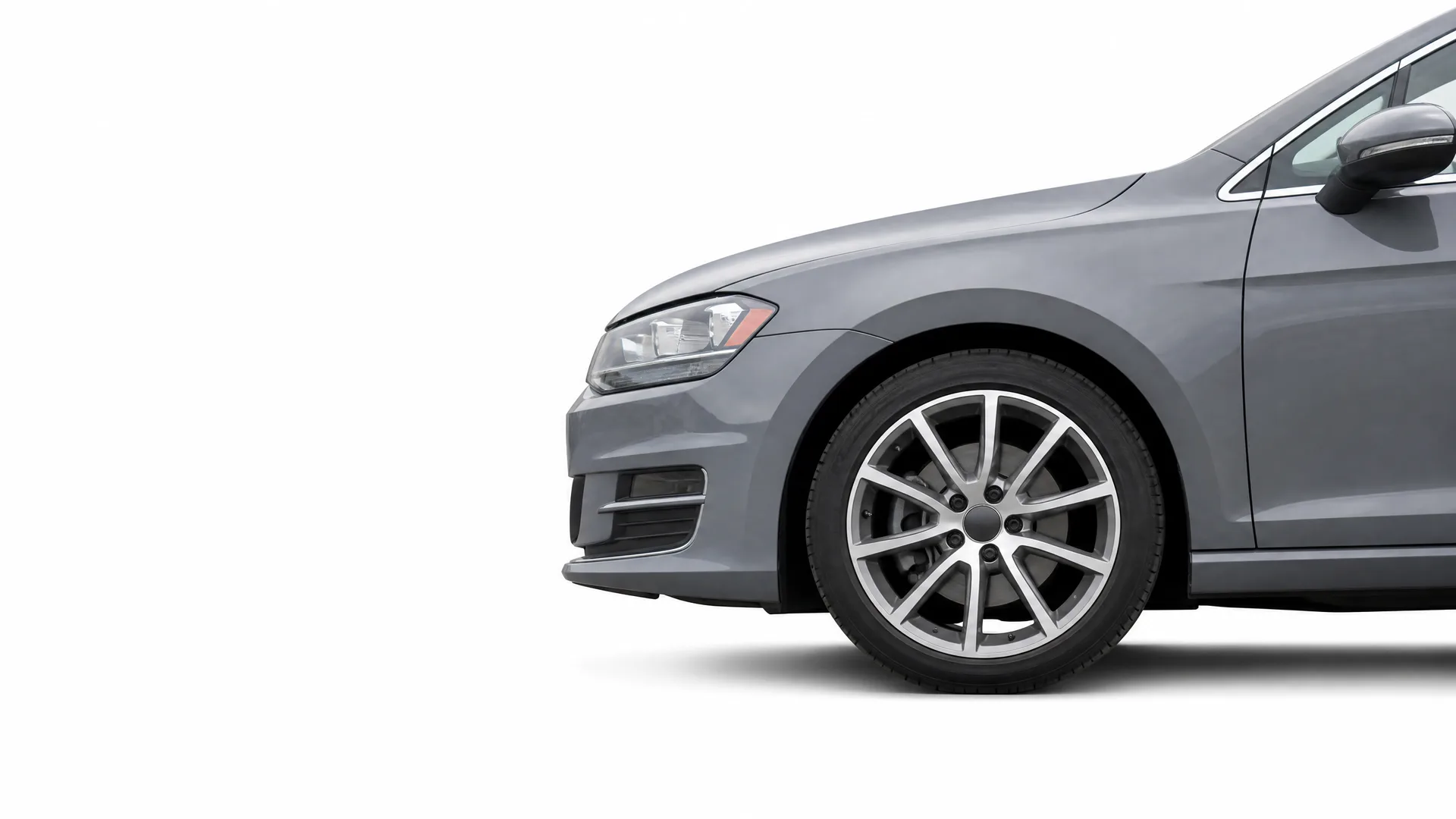
The car you pick is the one part of this decision you control completely before the policy is even written.
Once you've picked the kind of car that fits your budget and teen's safety, compare quotes to see the real cost.
Why the Vehicle Changes the Price So Much
Insurers price a policy by estimating the chance of a claim and the cost of that claim if it happens. A car's engine size, weight, and performance affect how likely a crash is and how serious it might be. A car's repair cost, parts availability, and theft rate affect what the insurer pays out afterward. Put a new driver behind a powerful or expensive car and both sides of that equation move against you at once.
Safety features matter separately from performance. Systems that prevent a crash or reduce its severity lower the expected payout, and insurers reflect that in the price. A car can be modest in power and still be well regarded if it protects its occupants well and has a track record of lower claims.
This is also where things vary. Some insurers weigh vehicle safety ratings heavily, others weigh repair cost or theft statistics more, and the exact mix differs by company and by state. A car that looks favorable on one insurer's model might be priced differently by another. The only way to know how a specific car affects your specific policy is to ask before you buy it, not after.
There are exceptions worth knowing. Some vehicles marketed as practical turn out to have high theft rates or costly parts, which pushes their price up despite looking sensible. And a car with a strong safety reputation can still carry a higher premium if it's a model frequently involved in claims for reasons unrelated to safety, like being popular with new drivers generally. Check the specific car, not just the category it seems to belong to.

Should I buy an older car or a newer one for my teen driver?
It depends on what you're protecting against. An older car costs less to insure for physical damage because it's worth less, but it may lack safety features that reduce injury risk and claim costs. A newer model often has better safety systems but costs more to repair or replace. Weigh the sticker price against long-term coverage costs, and ask what safety features the specific model year includes before deciding.
Will adding my teen to my policy cost less than buying them a separate policy?
Usually, staying on your policy costs less than a standalone one, because insurers often give a discount for multiple drivers and vehicles under one household policy. A separate policy for a teen with no history is typically priced on its own, without that benefit. Ask your insurer to quote both ways directly, since the gap varies by company and by state rules on household policies.
Does the color or style of the car affect the insurance price?
No, color has no effect on price at all, that's a myth. Style matters only to the extent it reflects something insurers actually price, like engine size, performance classification, or theft rate. A red sports car isn't expensive to insure because it's red, it's expensive because it's a sports car. Focus on the mechanical and safety facts of the vehicle, not its appearance.