
What Is a Safe First Car for a Teen
A safe first car for a teen is a midsize sedan or small SUV with a strong safety record, modest power, and low repair costs.
Size, power, and predictability matter more than looks
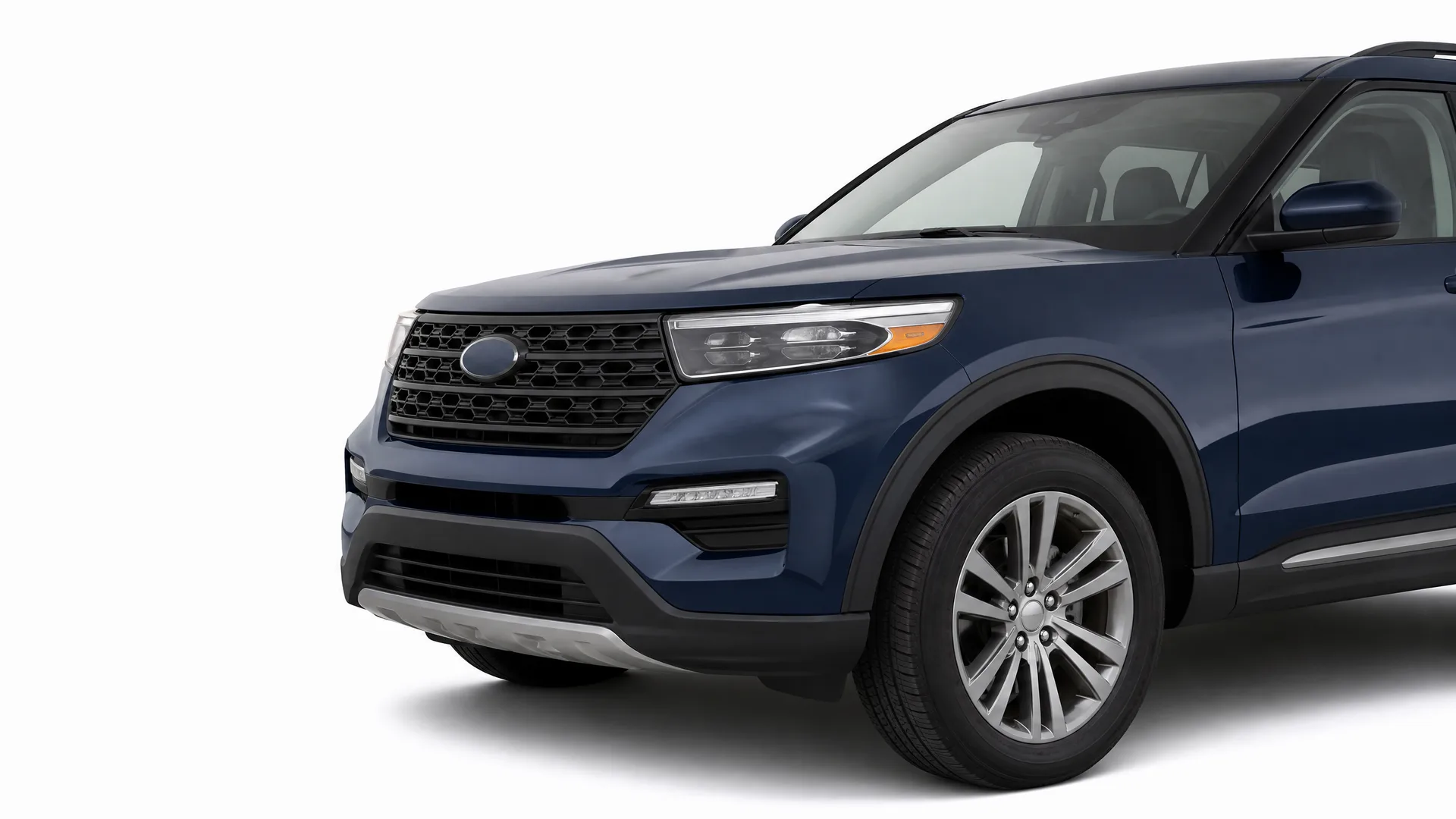
A safe first car for a teen comes down to three things working together. The car needs enough mass to protect well in a crash, an engine that doesn't tempt speed, and a history of reliable, predictable handling. Small, lightweight cars often cost less upfront but offer less protection. Heavily powerful cars or performance models invite exactly the kind of risk-taking that new drivers are still learning to manage.
Insurers and safety researchers tend to agree on this, which is why the same kinds of cars show up again and again as recommended first cars. Midsize sedans and small to midsize SUVs usually hit the balance well. They sit higher or have more structure than the smallest cars, but they're not so large that they're hard for a new driver to handle in tight spaces or parking lots.
Newer safety features matter too, even on a used car. Features that help a driver avoid a crash in the first place, like automatic emergency braking or blind spot warnings, are especially valuable for someone who's still building judgment behind the wheel. A car without these isn't unsafe, but a car with them gives a new driver another layer of protection for the moments when experience hasn't caught up yet.
Where this varies is in how your insurer scores specific makes and models. Two cars that seem similar on paper can carry different rates depending on repair costs, theft rates, or how the insurer's data reads that model's history. Before you settle on a car, check how a specific model is rated with your insurer, not just how it's rated for safety in general.
Choosing between a sporty coupe and a plain sedan
A parent was weighing two used cars for their newly licensed teen. One was a coupe with a turbocharged engine that the teen loved. The other was a plain four-door sedan, a few years older, that nobody found exciting. The parent's instinct was to worry about the coupe, and that instinct turned out to be the right one to trust.
They asked their insurer to run both vehicles before buying either one. The coupe came back with a noticeably higher premium, driven by its horsepower and its repair costs if it were in a crash. The sedan was significantly cheaper to insure and had a strong safety record for its class. The parent bought the sedan, explained to their teen why the decision was about physics and risk, not punishment, and the teen adjusted. A year later, with a clean driving record, the family had room to revisit the question of a different car.
The car is one part of this decision you fully control, so choose it carefully.
Once you know the kind of car you're choosing, compare quotes for that specific model before you buy it.
What to weigh when you're choosing the car
- Size and weight A car with more mass and structure protects better in a crash. Avoid the smallest, lightest models even if they seem easier to drive at first.
- Engine power High horsepower invites higher speeds and riskier driving from someone still building judgment. Choose a model with modest, ordinary performance.
- Safety features Automatic emergency braking and similar features help compensate for inexperience. Check what safety tech is included even on older or used models.
- Repair and parts cost Some cars cost far more to fix after a crash, which raises what you'll pay to insure them. Ask your insurer how a specific model is rated before buying.
- Reliability history A car with a strong track record for that model year is less likely to fail unexpectedly. Look up reliability ratings alongside safety ratings before deciding.

Should I buy a new car or a used one for my teen?
A used car is usually the better choice, as long as it's a few years old rather than aging toward unreliability. New cars depreciate quickly and cost more to insure, and a teen's first car is likely to take some bumps and scrapes while they're still learning. A well-maintained used model with a strong safety record gives you most of the protection at a fraction of the cost.
The exception is if a new car comes with safety features that older models in your price range don't have. In that case, the newer technology might be worth the extra cost, especially if it meaningfully lowers the chance of a serious crash. The right call depends on what you can find at each age and price point, not a fixed rule about new versus used. Compare specific cars rather than deciding on age alone.


