What Is Classified as a Minor Accident
A minor accident means no injuries and small damage, but your insurer's classification depends on the claim, not the crash itself.
A Parking Lot Scrape That Still Raised the Rate
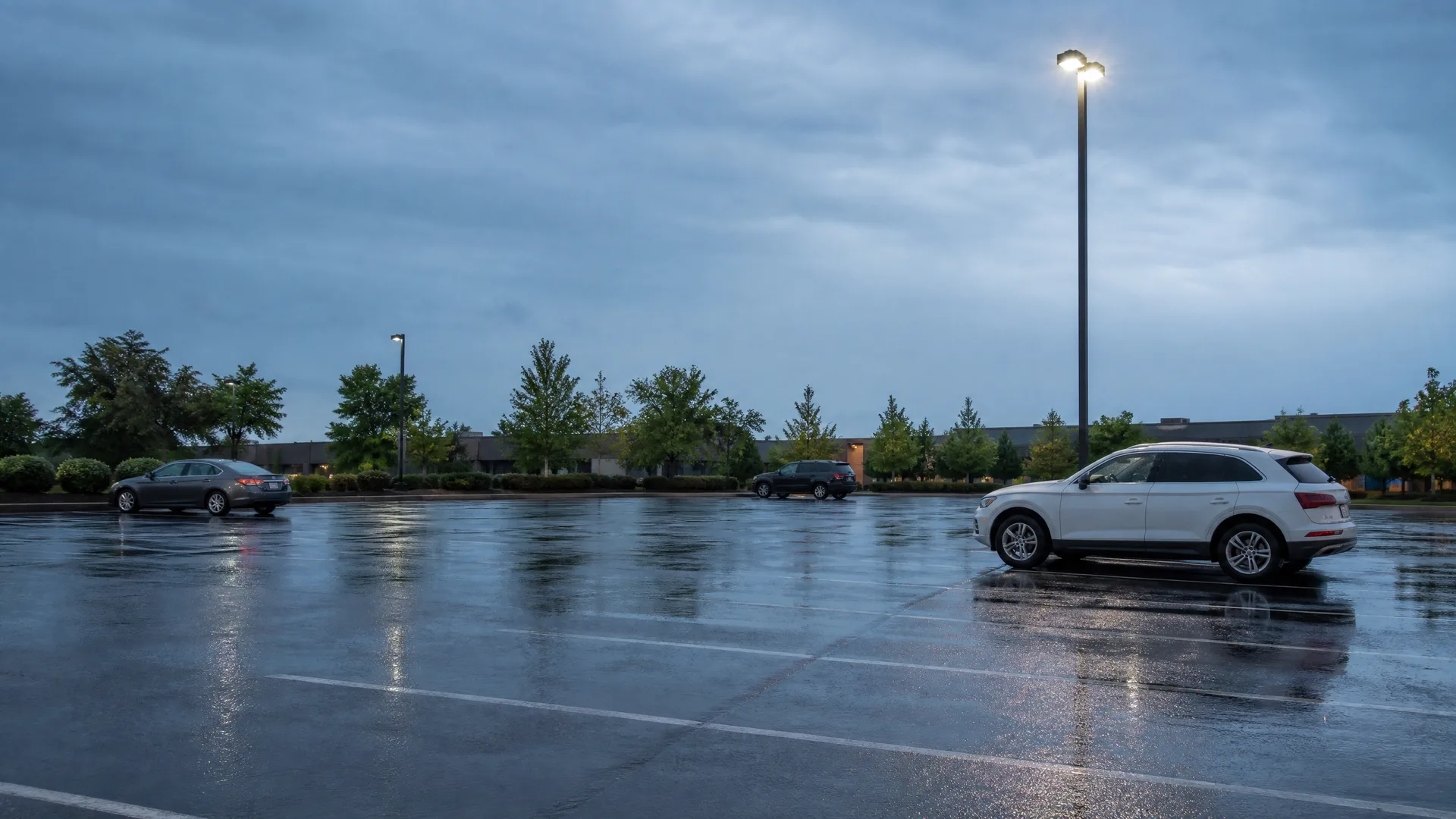
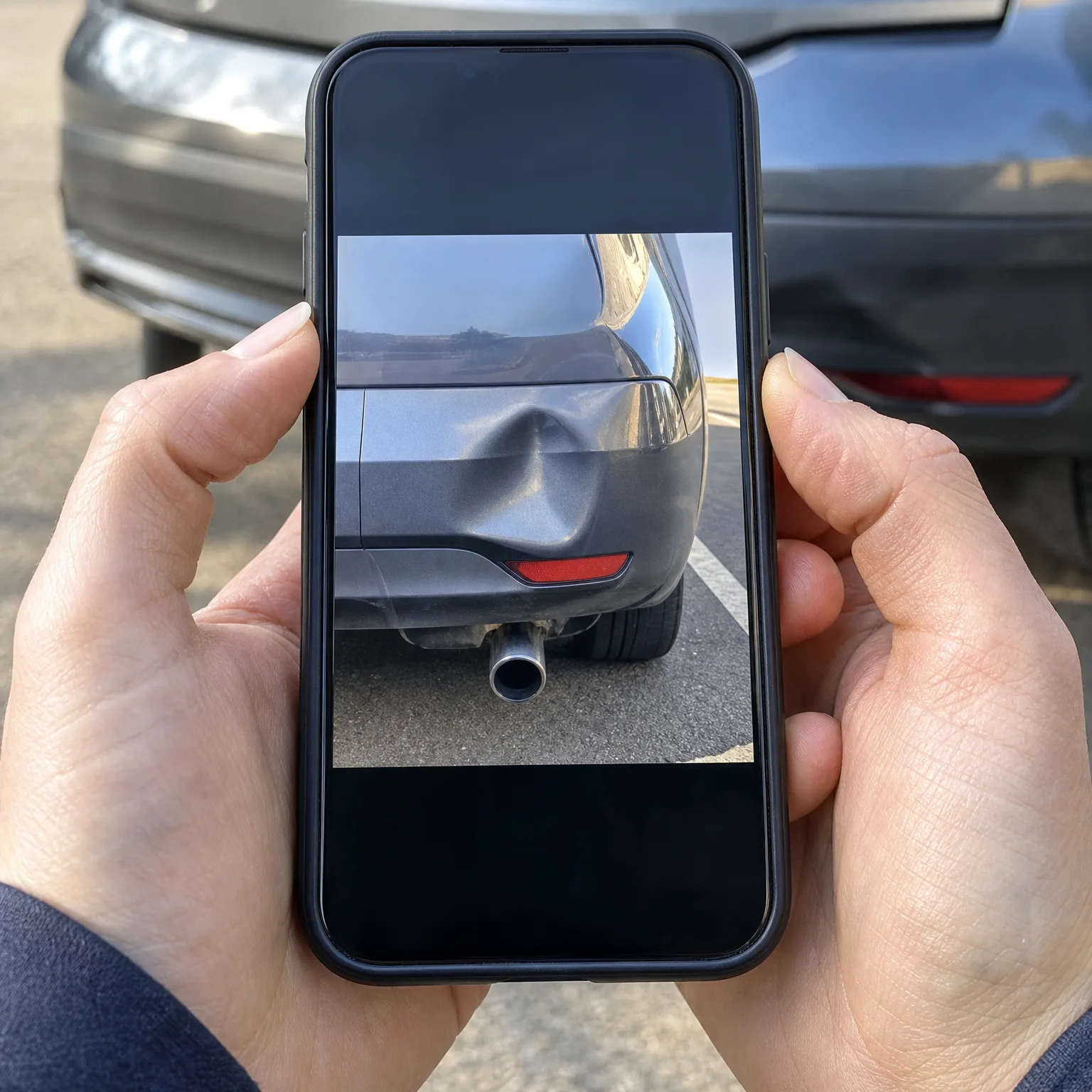
Your teen backed into a post pulling out of a parking spot. No one was hurt, the bumper had a crack and some scraped paint, and the repair estimate came back lower than what most people picture when they think car accident. By any plain description, this was minor. You assumed it would stay that way for the insurer too.
It didn't work out that simple. The company paid the claim, which meant it went into your teen's record as an at-fault accident, and at renewal the premium went up anyway. The size of the dent had nothing to do with it. What mattered was that a claim was filed and your insurer paid out, which is the trigger they respond to, not the cost of the bumper. You learned the difference between a minor accident in the everyday sense and a minor accident in the insurance sense, and from then on you asked about that distinction before letting any claim go through.
Will a minor accident still raise my teen's insurance rate?
Often yes, and the size of the damage is not what decides it. What decides it is whether your insurer paid a claim and whether your teen was found at fault. A small claim can raise your rate just as much as a larger one, because the company is pricing the risk of insuring your teen, not refunding a specific repair bill.
The exceptions depend on your policy and your state. Some policies include forgiveness for a first at-fault accident. Some states limit how much a single accident can affect your premium. None of this is guaranteed, so check your policy documents or ask your insurer directly before you assume a small accident will stay small on your bill.
Now that you know what moves your rate, compare quotes to see which insurers treat a minor accident most gently.

Filing a claim for minor damage
If you do
You get the repair paid for and don't have to cover it out of pocket. But the claim goes on record, your teen may be marked at fault, and your premium can rise at renewal even though the damage was small and no one was hurt.
If you don't
You pay for the repair yourself and your record stays clean, which can matter more than the repair cost over several years of premiums. But you're out the money now, and if the damage turns out worse than it looked, you've already lost the option to claim it.
What actually decides if an accident counts as minor
- No injuries involved Any accident with an injury, even a minor one, is treated differently and usually isn't classified as minor. Always get checked out if there's any doubt, before worrying about the claim.
- Fault still gets assigned Minor doesn't mean no one was at fault. Your insurer will still determine fault, and that finding affects your rate more than the size of the damage does.
- Claim size isn't the trigger A paid claim affects your record whether it's small or large. Ask your insurer how they define minor before assuming a small repair won't matter.
- State rules on reporting vary Some states require a police report above a certain damage threshold, others don't. Check your state's rule so you know whether this accident needs to be reported at all.
- Forgiveness isn't automatic Some policies protect your rate after a first minor accident, but only if that coverage was added beforehand. Look at your policy now, not after something happens.
The size of the damage isn't what your insurer is pricing. The claim and the fault are.