What Is Considered an Accident on Car Insurance
An accident is any event where your car causes or suffers damage or injury, whether or not police or others are involved.
Insurers care about fault and cost, not the word itself
Your policy doesn't actually use the word accident very often. It talks about incidents, claims, and losses. Anything that damages your car, someone else's car, property, or a person counts, from a parking lot scrape to a highway collision. The size of the event doesn't matter as much as whether a claim gets filed because of it.
What matters most to your rates is fault. An accident where your teen is found at fault, meaning they caused it or contributed to it, affects your premium differently than one where another driver is clearly responsible. Some states and insurers also recognize partial fault, splitting responsibility between drivers, which changes how much the event impacts you.
There's also a difference between an accident and a claim. You can have an accident and never file a claim, paying out of pocket instead. You can also have a claim without a dramatic accident, like a cracked windshield or a deer running into the road. Insurers track claims history closely, so what shows up on your record is usually the claim itself, not the raw event.
Single car incidents count too. If your teen slides off the road in bad weather or backs into a mailbox with nobody else involved, that's still an accident in the eyes of your insurer. The absence of another driver doesn't make it invisible to your policy.

The short version
An accident is any event causing damage or injury involving your car, regardless of size or who else was involved. What matters for your rates is fault and whether a claim gets filed. Before adding your teen, ask your insurer how they define an at-fault accident and how long it affects pricing.
A fender bender in a parking lot
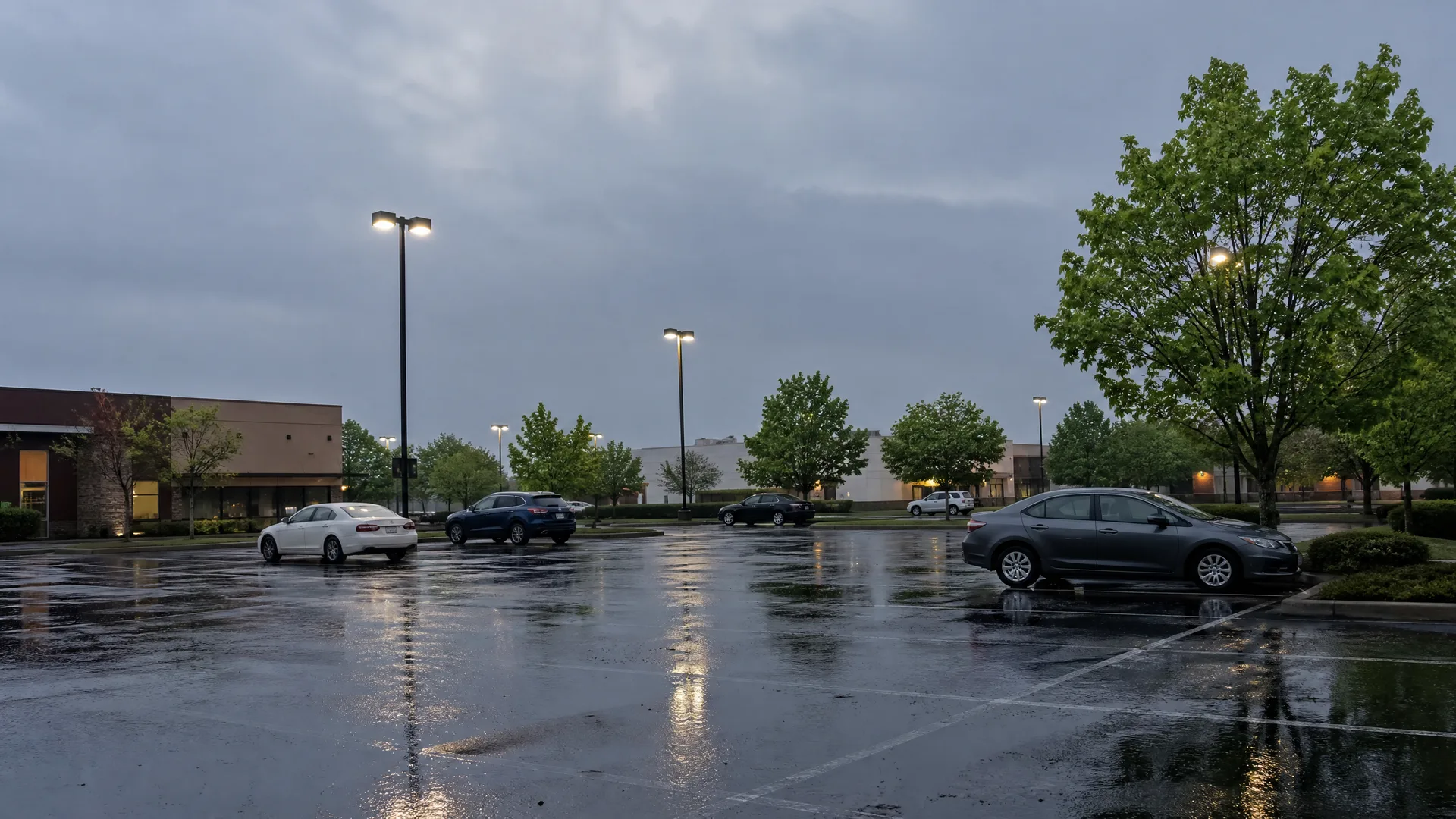
Your teen backs out of a space at the grocery store and taps another car, leaving a small dent. No one is hurt, and the other driver seems fine with exchanging information instead of calling police. Your teen comes home rattled and unsure if this even counts as something to report.
It does. Even without injuries or a police report, this is a claimable accident because it caused property damage. You call your insurer to ask how it will be classified and whether fault will be assigned to your teen. The repair cost is modest, so you decide whether to pay out of pocket or file a claim, weighing the repair cost against how a claim might affect your premium later. Either way, you now understand that reporting honestly, even for minor events, is how your insurer expects you to handle it.
Now that you know what counts as an accident, compare quotes to see how insurers price that risk for your family.

Whether you report every minor incident to your insurer
If you do
You build an honest claims history and your insurer trusts your account of future events. Small claims might raise your rate slightly, but you avoid the bigger risk of a denied claim later because you failed to disclose a prior incident. Your teen also learns that transparency is part of driving responsibly.
If you don't
You might save money short term by paying small repairs yourself and skipping the report. But if that same damage turns up later during a bigger claim investigation, your insurer may question your credibility or deny coverage. Unreported accidents can also resurface in vehicle history reports when you sell the car.
Does a single car accident count against my teen driver record?
Yes, a single car accident counts and is usually treated as at-fault since no other driver is involved to share responsibility. Insurers look at what caused it, like weather, mechanical failure, or driver error, to decide how it affects future pricing. Check with your insurer whether weather-related single car accidents get treated differently from driver error ones, since some companies make that distinction and others don't.
What happens if my teen causes an accident but we don't file a claim?
If you pay for the damage yourselves and never file a claim, it typically won't show up on your insurance record or affect your premium. However, if the other driver files a claim against your policy separately, it becomes a reportable accident regardless of your choice. Check your policy for any requirement to report accidents even when you don't plan to use coverage, since some insurers require disclosure regardless of who pays.
Can a minor fender bender raise my premium even if it's not my teen's fault?
Generally no, because insurers focus on fault when adjusting premiums, not simply the presence of an accident on record. If your teen is found not at fault, the event may still appear in claims history but typically won't increase your rate the way an at-fault accident would. Check how your specific insurer and state treat not-at-fault accidents, since some track them differently depending on local regulations.