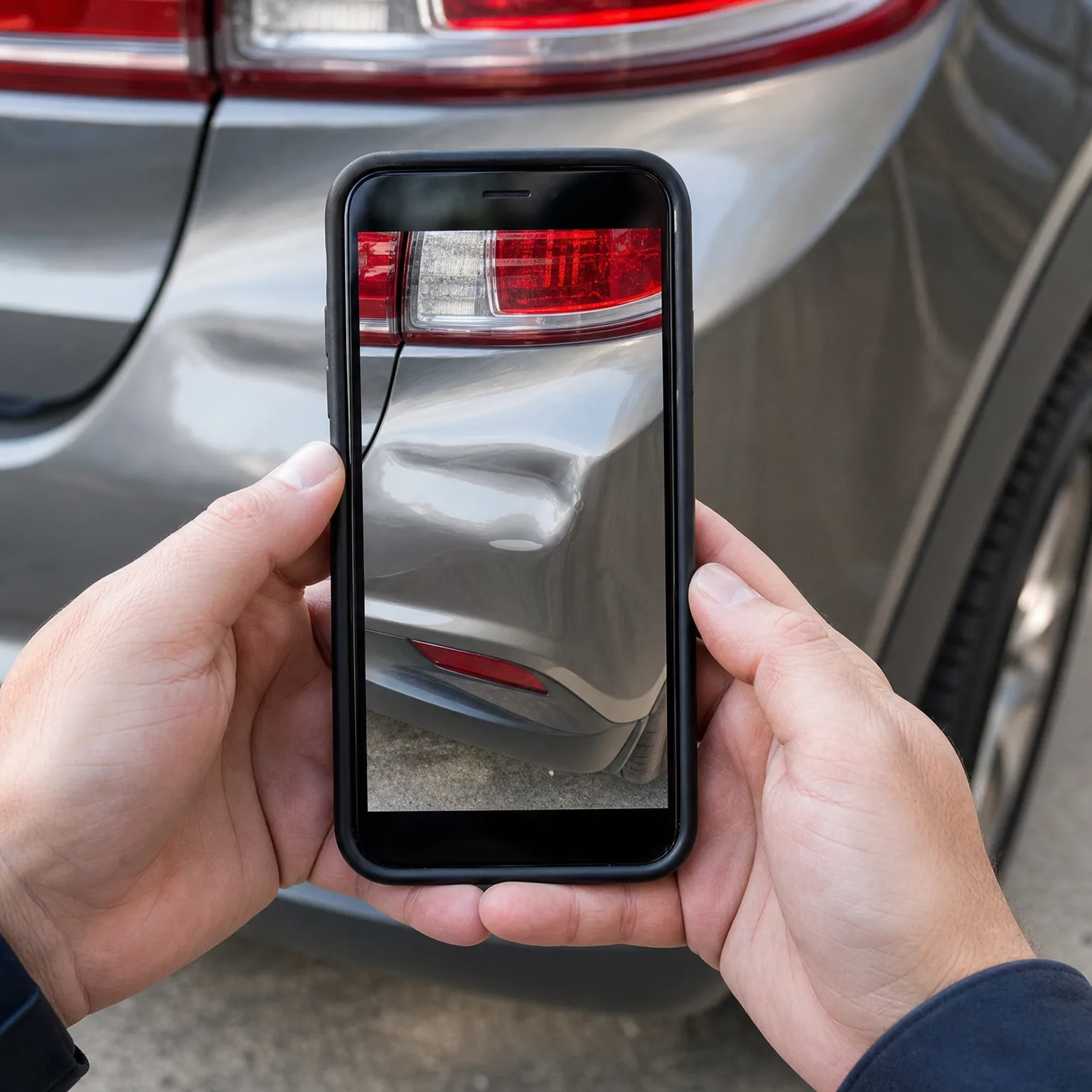
What Is Driver Monitoring on a Car
Driver monitoring is a system or app that tracks how a car is driven and reports that behavior back to you or the insurer.

What the system actually watches and why it matters
- Built-in vs app-based Some cars have monitoring built into the dashboard, others rely on a phone app or small plug-in device. Check your teen's car and your insurer's program to see which kind applies.
- What it measures It usually tracks speed, hard braking, fast acceleration, sharp turns, and phone use while driving. Ask your insurer exactly which behaviors count against your teen and which don't.
- Who sees the data Depending on setup, you as the parent may see it, the insurer may see it, or both. Find out before you start, so there are no surprises about what's shared.
- Effect on rates Good driving habits tracked over time can lower premiums, and risky patterns can raise them. Ask whether your teen's score is judged alone or blended with your household's overall driving.
- Opt-in, not mandatory Monitoring is usually optional, not a requirement to get coverage. Decide with your teen whether the tradeoff of being watched is worth the possible savings.

A parent turns on monitoring after a rough first month
A mother noticed her son's insurance quote jumped the month after he got his license. She asked the agent about a monitoring program and learned it would track his speed and braking through an app on his phone, with both of them able to see the reports.
They agreed to try it for a few months. The first week showed a couple of hard brakes near his school, which led to a conversation about following distance rather than a punishment. By the third month his driving had smoothed out, the app showed steady improvement, and the insurer adjusted the rate down to reflect it. The mother kept the program running into his senior year, not because she had to, but because it gave her real information instead of guesses.
Does my teen have to agree to being monitored?
No, not legally, but practically it works best when they agree and understand why. Monitoring only helps if the data is accurate and ongoing, and a teen who resents the device or disables the app gives you nothing useful.
Talk it through as a shared decision rather than a surveillance tool. Frame it around the real tradeoff, that smoother driving habits can lower the family's premium and build a case for more independence later. Most teens respond better when they understand the score affects cost, not just when they feel watched. If your teen refuses outright, the insurer will usually still offer coverage without it, just without the potential discount.
Now you know what driver monitoring tracks, so compare quotes to find insurers that reward your teen's safe driving.

Will driver monitoring cancel my teen's privacy entirely?
No, it only tracks driving behavior, not location history or personal messages, in most programs. Check the specific program's privacy policy, since scope varies by insurer and by whether it's app-based or built into the vehicle. If the program sells or shares data beyond the insurer, that would change whether it's worth using.
Can monitoring data be used against my teen in an accident claim?
Possibly, if the data shows risky behavior at the time of the incident. Ask your insurer directly how claims and monitoring data interact before enrolling. In many cases the data mainly affects future rates rather than an individual claim, but policies differ enough that you should get this in writing.
Does monitoring work the same for an experienced driver as a new teen?
No, the scoring often weighs behaviors differently depending on experience level. A new teen driver may be judged more on basic habits like hard braking, while an experienced driver's score may factor in long-term patterns. Ask the insurer how your teen's score compares to an adult's under the same program.

The data isn't there to catch your teen, it's there to replace your guessing with facts.