
What Is the Best First Car for an 18-Year-Old
The best first car for an 18-year-old is reliable, modestly priced, and highly rated for safety, with a modest engine.
Choosing Between a Sports Coupe and a Used Sedan
A parent and their 18-year-old had saved enough for either a used sports coupe with a bigger engine or a plain sedan a few years older. The teen wanted the coupe. The parent called around for insurance quotes on both before deciding anything, because they knew the car itself would drive the cost as much as the teen's age did.
The coupe's quote came back noticeably higher, even with the same driver and same coverage. The insurer rated it higher for horsepower and for repair cost, and that rating doesn't improve much no matter how careful the driver is. The sedan, with better safety ratings and a lower-value engine, came in lower and stayed lower at renewal. They bought the sedan, and the teen kept the money they would have spent on the coupe's extra insurance for gas and maintenance instead. A year later, with a clean record, they revisited the question and found the gap between the two cars had only grown, confirming they'd chosen well.
Does the car matter more than the driver for insurance cost?
Both matter, but at 18 the car has more room to swing the price than most parents expect. A teen's inexperience already pushes rates up before anyone picks a car, so that part of the cost is largely fixed. What isn't fixed is the vehicle itself, since insurers price heavily for horsepower, repair cost, and theft rates, and those vary enormously between models.
That means two 18-year-olds with identical driving records can get very different quotes just based on what they drive. A powerful or expensive-to-repair car can erase any discount the teen earns through good grades or a clean record. Choosing the car first, before shopping for insurance, is how you keep both numbers working in your favor instead of fighting each other.

Compare quotes on the cars you're considering so you can pick the one that's actually affordable to insure.

Buying the Safe, Boring Car Versus the Exciting One
If you do
You get a car that costs less to insure now and keeps costing less at every renewal. Repairs are cheaper and more available, so claims settle faster. Your teen builds a clean record in a forgiving car, and the insurance savings quietly offset a lot of what you spent choosing reliability over excitement.
If you don't
You pay a higher premium from day one, often enough to erase any good-student or safe-driver discount your teen qualifies for. Repairs after a minor accident cost more and take longer. If your teen wants an upgrade later, they'll have already proven themselves in a car that didn't fight the insurance bill the whole way.
Should I buy an older car or a newer one for my teen?
An older, well-rated car is usually the better choice, because it costs less upfront and less to insure, especially if you drop collision and comprehensive coverage on it. Check the car's safety ratings regardless of age, since older doesn't automatically mean safer. If your teen will be driving long distances or in bad weather often, newer safety features might change that calculus.
Is it cheaper to add my teen to my policy or get them their own?
Adding your teen to your existing policy is almost always cheaper than a separate policy, because insurers extend household discounts and bundled pricing that a standalone policy can't match. Check whether your insurer has a maximum number of drivers or vehicles per policy. A separate policy only tends to make sense if your teen owns the car outright and lives independently.
Does the color or style of the car affect insurance rates?
No, color has no effect on insurance pricing at all, that's a myth insurers don't actually use. What matters is the make, model, trim, and engine size, since those determine repair costs and performance ratings. Check the specific trim level when shopping, since the same model name can carry very different ratings depending on engine and features.
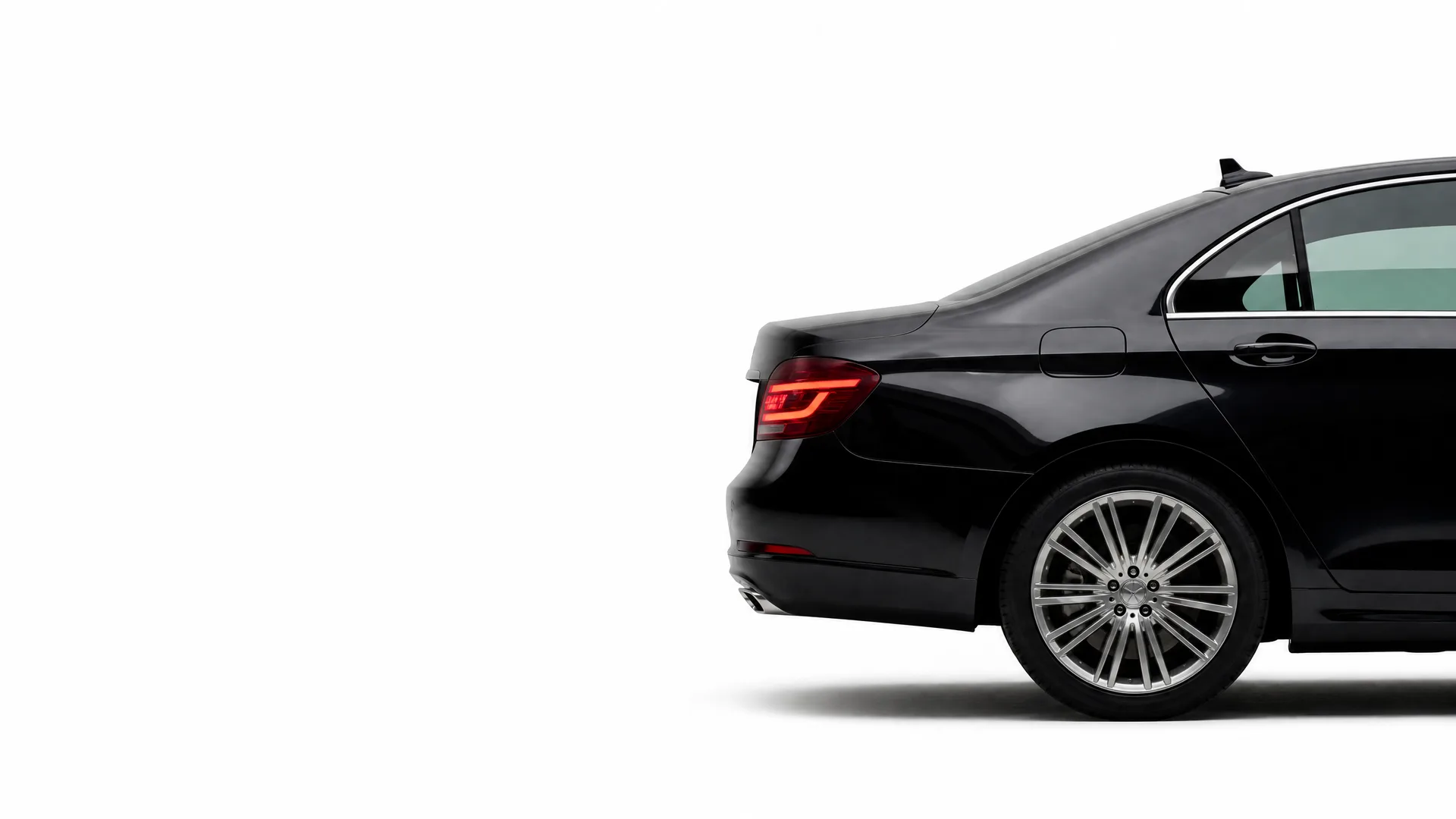
The car you pick moves the insurance bill more than anything your teen does on the road.


