
What Is the Best Way to Get Cheap Car Insurance
The best way to get cheap car insurance with a new teen driver is to work the actual pricing factors, not just shop around.

Cheaper comes from a few specific choices, not luck
- Car the teen drives The vehicle matters more than almost anything else on this quote. Put your teen on the older, safer, more modest car in the household rather than the newest or most powerful one.
- Good student discount Most insurers reward strong grades with a real discount for teen drivers. Ask your agent what grade threshold qualifies and keep report cards handy.
- Driver training courses A completed driver's ed or defensive driving course can lower the premium in many states. Check what your insurer accepts before you pay for a course elsewhere.
- Monitoring app discounts Programs that track driving habits through an app or device can earn a discount for cautious driving. Ask whether enrolling your teen is optional and what data gets shared.
- How you structure the policy Sometimes adding your teen to your existing policy costs less than a separate policy, and sometimes it doesn't. Ask for both quotes side by side before deciding.

A family cuts the quote without cutting coverage
A parent got a quote after their daughter passed her road test and nearly choked on the number. Their instinct was to shop five different companies and hope one came in lower. Instead they called their current insurer first and asked what would actually move the price. The agent asked three questions. What car would she drive, was she maintaining good grades, and would the family consider a monitoring app for her first year.
They switched her primary car from the newer sedan to the older, safer wagon sitting in the driveway. She qualified for the good student discount with her current report card. They enrolled her in the monitoring program, mostly to see the data rather than chase the discount, and found it reassuring rather than invasive. Between the car switch and the discounts stacked together, the quote came down substantially from the first number they'd been quoted. They still shopped two other companies afterward, but armed with a number they understood, not just a lower one.
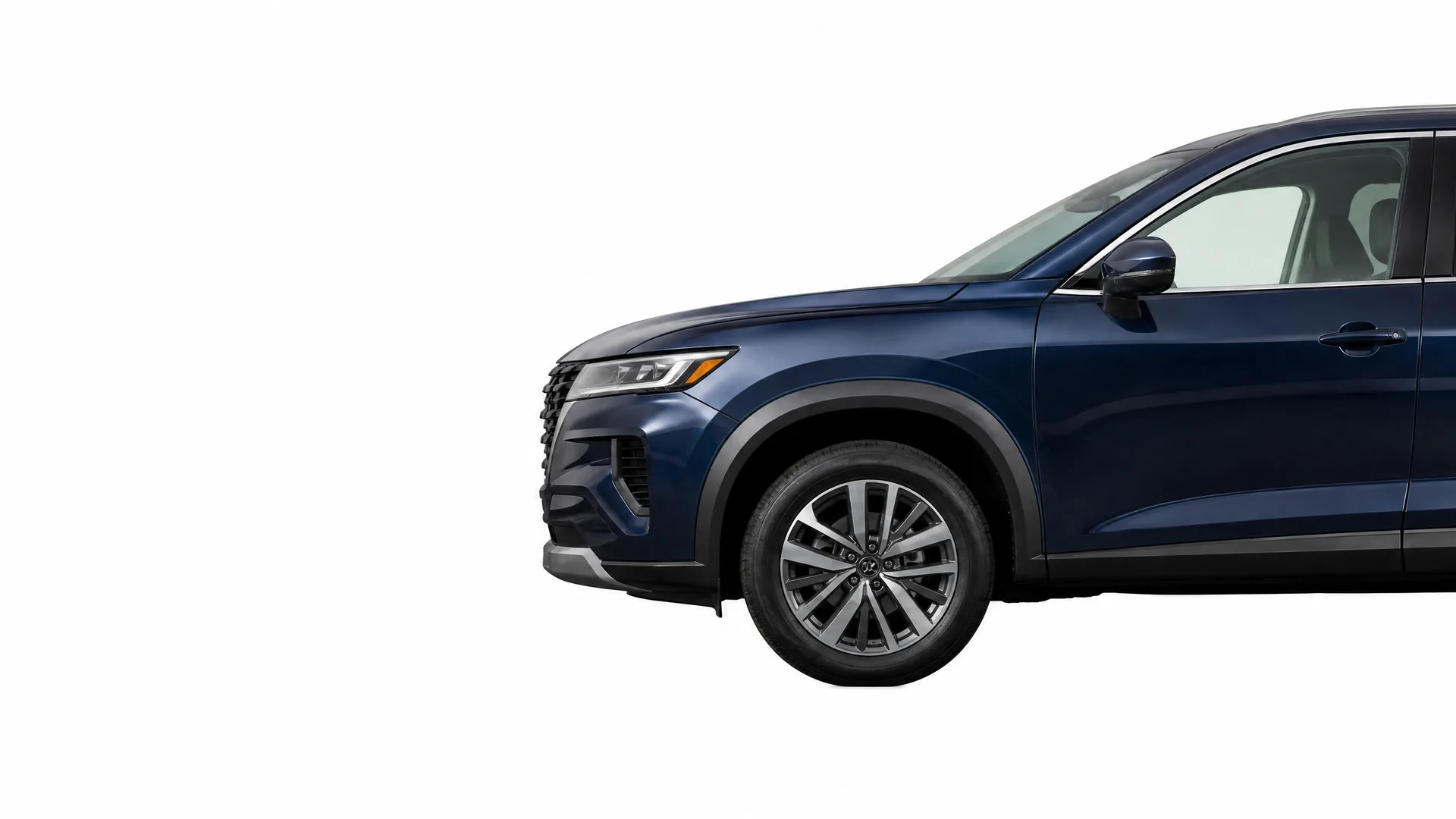
The price isn't fixed. It responds to specific choices you haven't made yet.
Once you know which factors you're optimizing, compare quotes to see which insurer prices your actual situation best.

Whether you optimize before you shop
If you do
You walk into quote comparisons already knowing which car, which discounts, and which policy structure fit your teen. Quotes become easier to compare because you're asking the same specific questions of each insurer, and you catch savings a generic quote would have missed entirely.
If you don't
You get a first quote, feel the sticker shock, and start shopping companies to find a lower number without knowing why it's high. You might save a little by switching, but you'll likely miss discounts and structural choices that would have cut the cost further no matter who insures you.
Why the car and the choices matter more than the shopping
Insurers price teen drivers almost entirely on risk, and risk comes from a combination of inexperience and exposure. A new driver in a powerful or expensive car represents more potential claim cost than the same new driver in an older, slower, well-rated-for-safety car. That's why switching which car your teen primarily drives often moves the price more than switching companies does.
Discounts exist because insurers have data showing certain behaviors correlate with fewer claims. Good grades correlate with more cautious driving on average. Completed training courses correlate with better hazard awareness. Monitoring programs let the insurer see actual behavior instead of guessing from age and zip code alone, so a genuinely careful teen gets priced closer to their real risk instead of the average risk for someone their age.
How you structure the policy, teen on your plan versus a separate one, changes price because of how insurers treat household risk pooling and policy discounts for bundling. This varies by insurer and sometimes by state, so it's worth asking for the comparison directly rather than assuming either way is cheaper.
The cases where this works out differently usually involve a teen with a prior violation, a household already paying high rates for unrelated reasons, or a state with particular rules about rating young drivers. If any of those apply to you, ask your agent directly how much weight each factor carries in your specific quote, because the usual order of what matters most can shift.