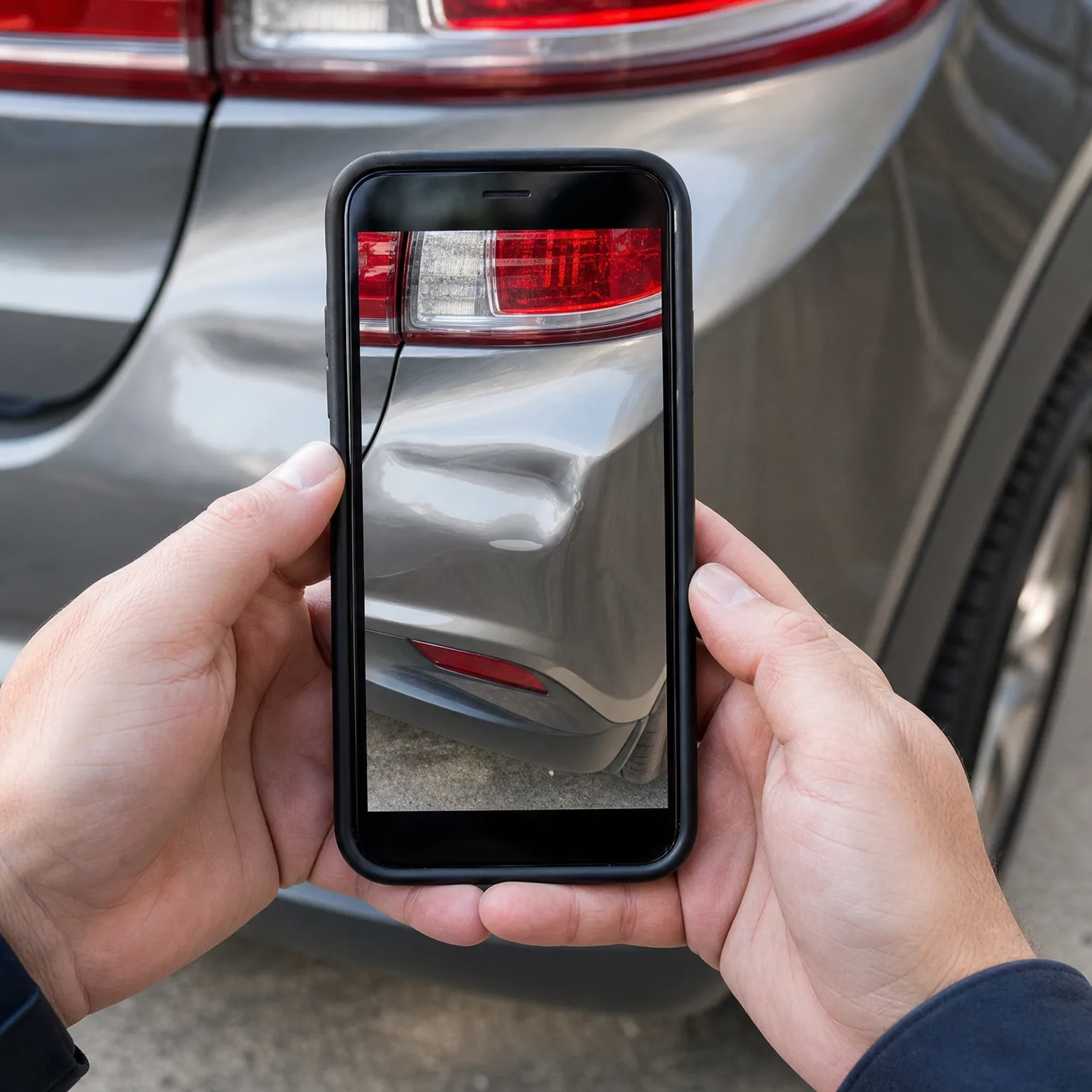
What Is the Best Way to Monitor Teen Driving
The best way combines an app that tracks driving behavior with regular, calm conversations about what it shows.

A family's first few months with a new driver
A parent added their seventeen-year-old to the policy and installed a driving app that tracked speed, hard braking, and phone use. The first week's report showed three instances of hard braking and one trip where the phone was touched while moving. Instead of a punishment, they sat down together and looked at the map and timestamps, asking what happened at each point.
The teen explained one hard brake was a dog running into the road, and admitted the phone use was reaching for navigation. They agreed on a dashboard mount so navigation never required touching the phone again. Over the following months the reports showed steady improvement, and by the time the teen had a few months of driving behind them, the family had real data showing fewer hard brakes and no more phone alerts. The parent used that record when the policy came up for renewal, since some insurers factor in monitored driving history when setting rates for young drivers.
Will my teen feel like I don't trust them if I monitor their driving?
Some teens will feel that way at first, especially if monitoring is introduced as surveillance rather than a shared tool. How you frame it matters as much as the tool itself. Teens respond better when they understand the data is about safety and skill-building, not catching them in a lie, and when they get to see the same reports you see.
Many parents find the tension eases once the teen realizes the monitoring also protects them, by giving them evidence of good driving when something goes wrong that wasn't their fault. Treating it as something you both look at together, rather than something you check on them, tends to work better than treating it as a one-way camera. The goal is building a driver who doesn't need the app anymore, not a driver who's always being watched.

Once you've set up how you'll monitor your teen's driving, compare quotes to see how that choice affects your premium.

A good monitoring setup covers more than just location
- Driving behavior apps These track speed, hard braking, acceleration, and phone handling during trips. Use one that gives your teen access to their own reports, not just you, so they can see patterns and improve.
- Built-in vehicle systems Some cars have systems that set speed alerts, limit audio volume, or restrict features until seatbelts are buckled. Check your specific vehicle's manual, since availability and features vary by make and model.
- Insurer monitoring programs Many insurers offer their own tracking programs that score driving and sometimes feed into discounts. Ask your insurer directly what they offer and how the data is used before you sign up.
- Regular check-in conversations No tool replaces talking through specific trips, close calls, and decisions your teen made behind the wheel. Set a weekly time to review reports together instead of only reacting when something goes wrong.
- A written driving agreement Put rules about passengers, phone use, curfews, and monitoring expectations in writing before the keys are handed over. Revisit and loosen it as your teen shows consistent, safe driving over time.
Monitoring works when your teen sees the data too, not just when you do.
Does a teen driving app actually lower my insurance premium?
It can, but only if your insurer has a program that uses that data for pricing, so ask before assuming. Some insurers offer discounts tied to their own monitoring app and score driving behavior directly. A third-party app you choose on your own usually won't affect your premium unless you share the data with your insurer and they're willing to factor it in. Check with your insurer specifically about what they accept and how much it could change your rate.
What should I do if the monitoring app shows risky driving?
Address it directly and specifically, using the trip data rather than vague warnings. Look at exactly when and where the risky event happened, and ask your teen to walk you through what led to it. Sometimes it's a one-time situation like swerving for an animal, and sometimes it's a pattern like consistent speeding on the same route. Patterns call for a real conversation about consequences and possibly restricting driving privileges until behavior improves, while isolated events may just need a debrief.
At what age can I stop monitoring my teen's driving?
There's no fixed age, since it depends on how consistently your teen has shown safe, independent judgment behind the wheel. Many parents scale back monitoring gradually, loosening restrictions as trips accumulate without incidents rather than stopping all at once. Some keep lighter monitoring in place through the full time the teen is on the family policy, especially if it's tied to an insurance discount. The right time to stop is when your teen no longer needs the data to drive well, not when they reach a specific birthday.