What Is the Best Way to Teach a Teen How to Drive
The best way is steady, varied practice hours with you in the car, not one driving course alone.
Repetition in different conditions builds real judgment
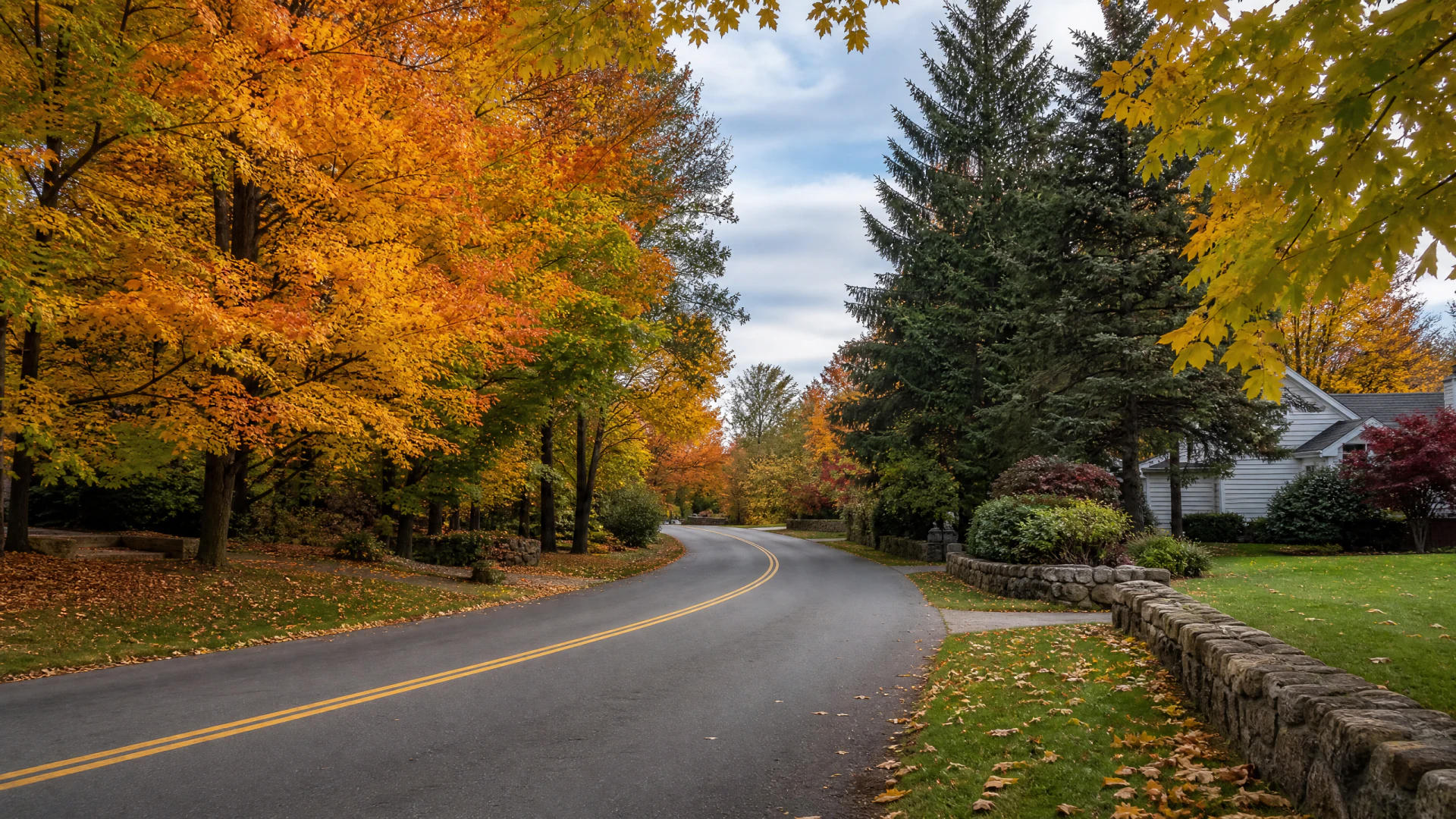
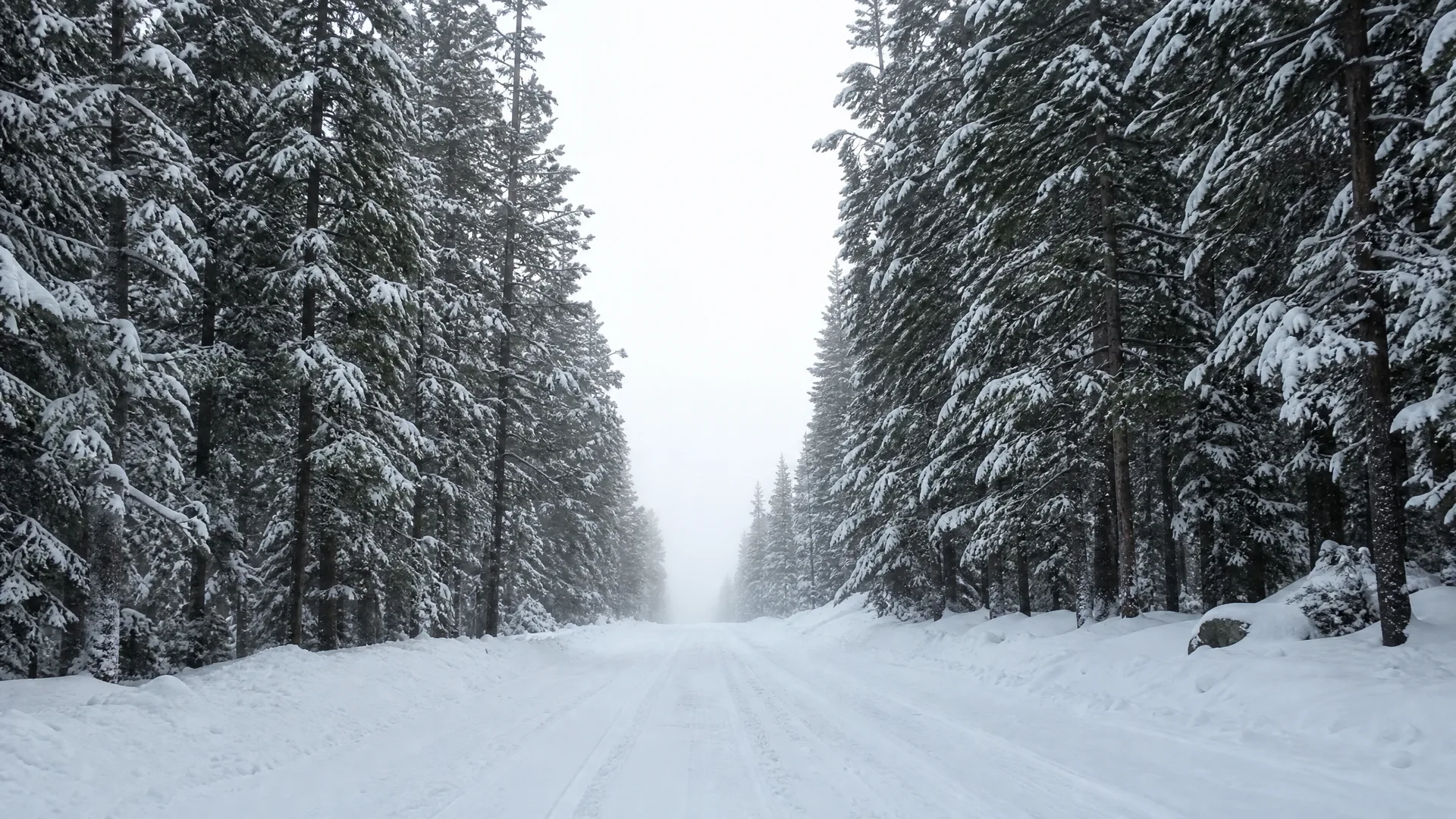
A driving course or a few lessons from an instructor can teach the mechanics, but judgment comes from miles. Teens need practice in rain, at night, in heavy traffic, and on highways before they face those conditions alone. The more varied the practice, the more situations their brain has already half-seen before it matters.
This is also why insurers and licensing systems reward logged hours and graduated stages instead of a single test. A new driver's biggest risk isn't lack of skill, it's lack of exposure. They can steer and brake fine in a parking lot. What they haven't built yet is the quick, automatic reading of a situation that experienced drivers do without thinking.
Your presence in the car matters more than most parents expect. Calm, specific feedback in the moment, said without panic, teaches faster than any lecture afterward. Yelling or grabbing the wheel teaches fear, not skill. If you notice yourself tensing up, it's fine to hand some sessions to another calm adult or a professional instructor instead.
Where this plays out differently is state law. Some states require a set number of supervised hours or a logged practice period before full licensing, others leave it looser. Check your state's graduated licensing rules so your teen meets the actual requirement for your state, then keep practicing past that minimum in any conditions they haven't faced yet.

A parent who felt too anxious to teach highway merging
One parent had done fine teaching their teen neighborhood driving and parking, but froze up every time a highway on-ramp came close. Their tension was obvious in the car, and the teen started mirroring it, gripping the wheel too hard and hesitating at the worst moment. The parent noticed this pattern after two tense drives and decided to change the plan rather than push through it.
They booked a few sessions with a professional instructor specifically for highway merging and higher-speed driving, while keeping all the local and low-speed practice themselves. The teen came back calmer, because the instructor had no personal fear riding along, just clear instructions. The parent then resumed regular practice drives, including highway trips, once the worst of the anxiety had been broken by someone else going first. The split approach meant neither the skill-building nor the parent's nerves had to suffer for the other.
With a practice plan in place, compare quotes to see how adding your teen actually affects your rate.
How many practice hours does a teen actually need before driving alone?
There's no single number that applies everywhere, because states set their own requirements for supervised practice before full licensing. What's consistent is that more varied practice produces a safer driver than just meeting a minimum. A teen who has driven at night, in rain, in heavy traffic, and on highways is in a different position than one who only practiced in daylight on quiet streets.
Check your state's graduated licensing program for the specific requirement, since some track hours formally with a logging sheet and others leave it to the parent's judgment. Treat the state minimum as a floor, not a target. If your teen seems confident after the minimum but hasn't faced certain conditions yet, like highway merging or night driving, that's a sign to keep practicing those specifically before easing off.
Whether you ride along for most of the early driving
If you do
Your teen builds judgment faster because you catch small habits before they become patterns, like rolling stops or late checks. They get used to narrating their reasoning out loud, which sharpens decision-making. You also get a real sense of their readiness instead of guessing, so the first solo drive feels earned rather than assumed.
If you don't
Your teen may still pass a test and get a license, but gaps in judgment stay invisible until a real situation exposes them. Bad habits picked up early go uncorrected. You also lose the chance to judge true readiness, so the first solo drive becomes more of a guess than a decision you made together.
Should I use a driving school or teach my teen myself?
Do both if you can, since each covers something the other doesn't. A driving school teaches structured fundamentals and unfamiliar situations like highway merging from a neutral instructor, while you provide the bulk of repetition and local, everyday practice. If cost is a concern, prioritize professional instruction for the skills that make you anxious to teach, and handle the rest yourself over many shorter sessions.
How do I know when my teen is ready to drive alone?
Readiness shows up as consistency, not a single good drive. Look for whether they handle unexpected situations calmly across multiple sessions, not just when conditions are easy. Check that they've driven in the specific conditions they'll face alone soon, like night driving or heavy traffic, before giving them full independence. If you still feel nervous handing over the keys, that hesitation is worth listening to and addressing with a few more practice sessions first.
What's the best order to teach different driving skills?
Start with vehicle control in low-stakes environments, like empty lots, before moving to quiet streets, then traffic, then higher-speed roads and highways. Teach night driving and bad weather only after daytime basics feel automatic, since stacking too many new variables at once overwhelms a new driver. The exact order can flex based on your teen's comfort level, but the general rule is to add one new challenge at a time, not several together.