What Is the Biggest Downside to Leasing a Car
Leasing's biggest downside is that you pay for the car's use but walk away with nothing to sell, trade, or keep.
You're renting the depreciation, and the bill comes due at the end
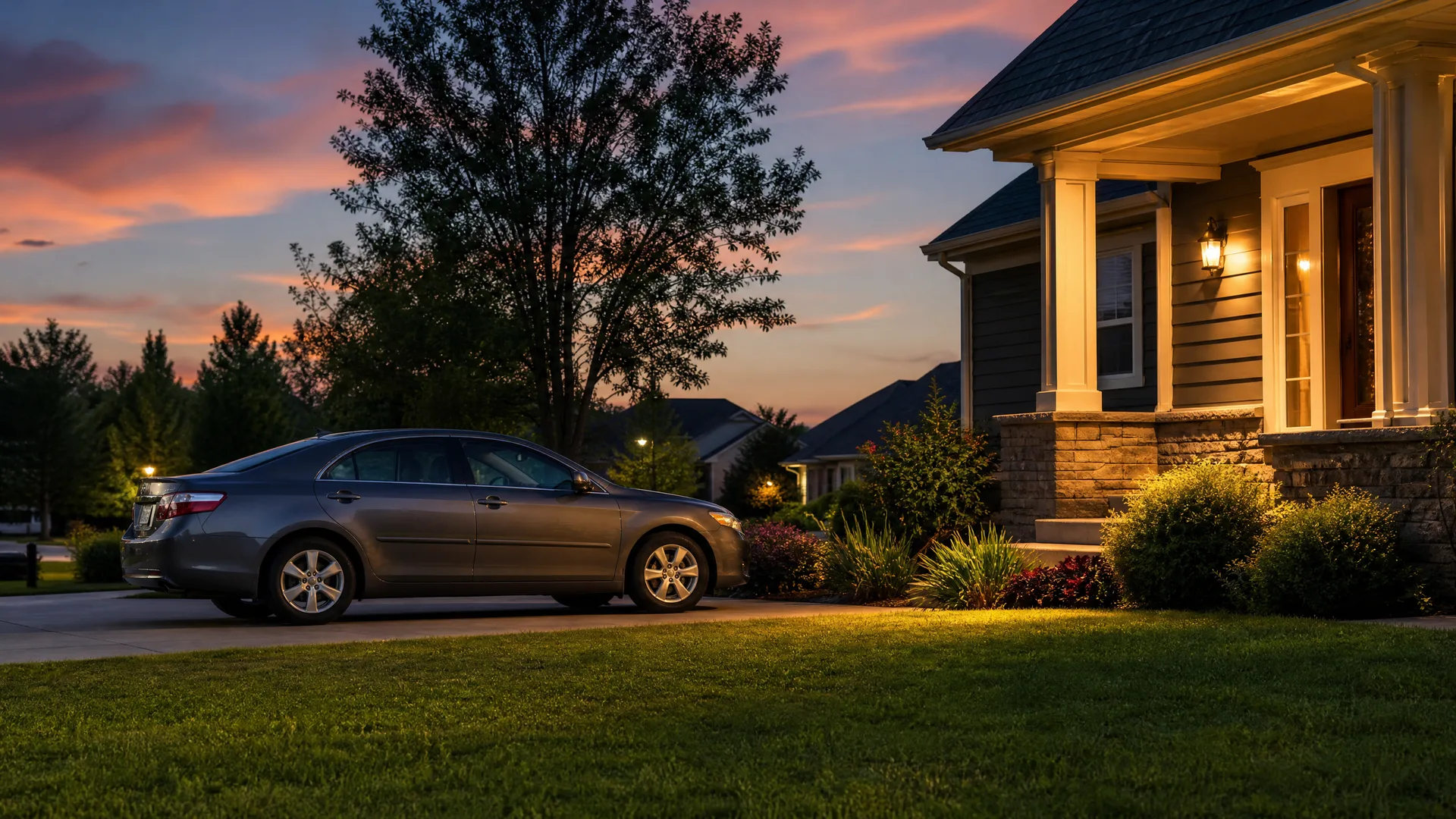
A lease is built around the gap between what the car costs now and what it will be worth when you hand it back. You pay for that gap every month, plus interest built into the lease rate. When the term ends, that payment history buys you nothing. There's no car to sell, no equity to roll into the next deal, just an empty garage and a new decision to make.
This matters most if you drive more than average or if your plans change. Mileage limits are set at signing, and going over them costs you per mile at return, sometimes adding up to a real sum if you underestimated your driving. Life changes too. A new job with a longer commute, a move, a kid who needs rides to practice every day, any of it can push you past the limit with no way to undo it.
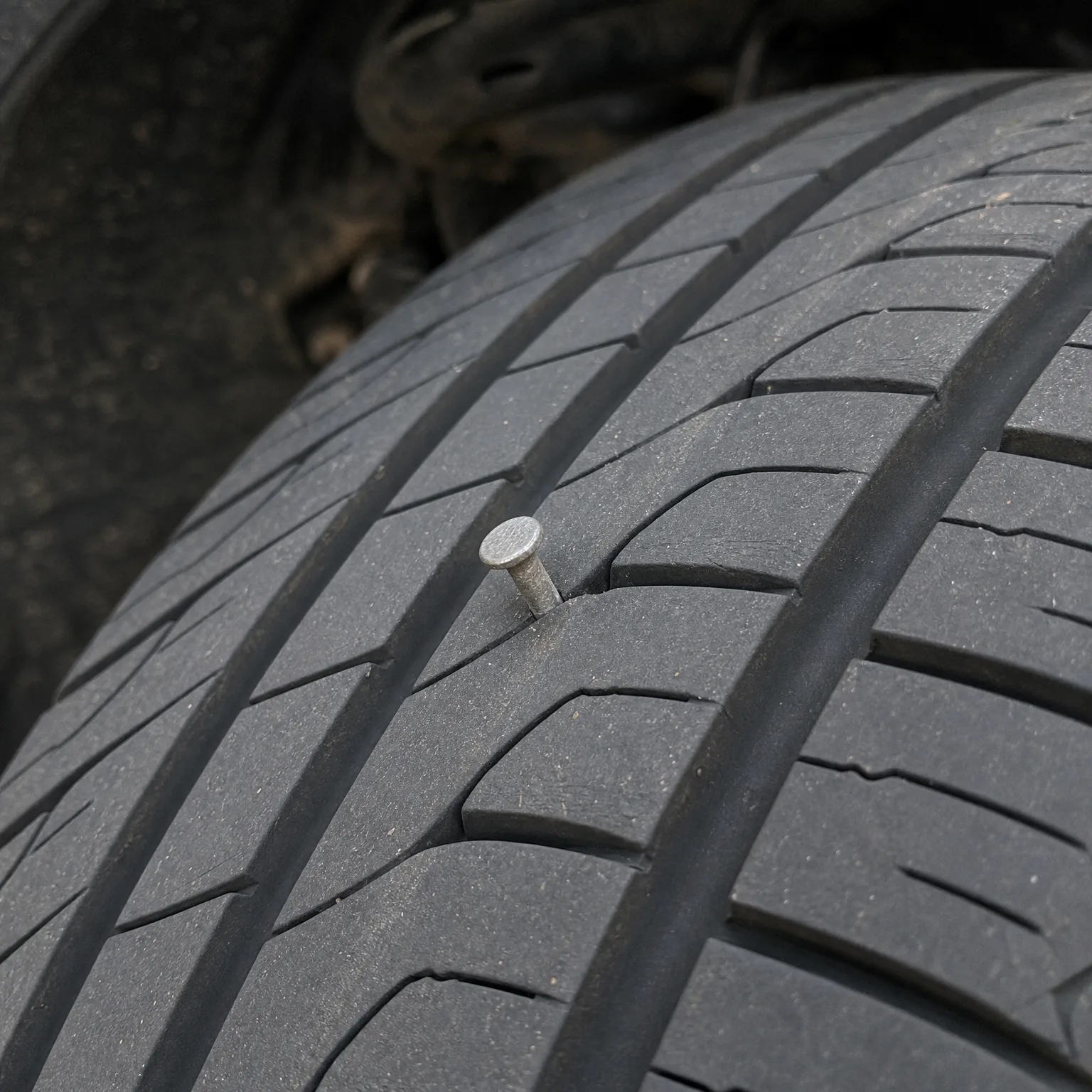
Condition works the same way. Normal wear is expected, but dents, stained seats, or worn tires beyond what's considered normal get charged back to you at return. If you buy a car and put a scratch in it, that's your problem and your car. If you lease it, that scratch becomes a bill.
Where this plays out differently is if you lease the same type of car every few years and drive a predictable, modest amount. Then you're paying for depreciation you'd absorb anyway in a purchase, and never dealing with resale hassle. The downside shrinks for a driver who stays inside the lines. It grows fast for anyone whose mileage or driving habits are hard to pin down in advance.
A parent adding a teen to a leased car learns the limit the hard way
A parent had been leasing the same sedan for years, always under the mileage cap, always happy with the lower payment. Once their teenager got a license, the car started getting used for school, practice, and friends' houses, on top of the parent's normal commute. Nobody recalculated the mileage math until the lease renewal notice arrived.
The statement showed they'd gone well over the allowed mileage for the term. The overage charge came due all at once, and it was steep enough that the parent sat down and ran the numbers on buying instead of leasing next time. They ended up paying off the lease and purchasing a used car outright for the teen to drive, reasoning that a car they owned couldn't penalize them for how many miles a new driver racked up. The lease had worked fine for a one-driver household. It stopped working the moment a second driver with an unpredictable schedule got added to the mix.
Ask how many miles your whole household drives now, not just what you drove before.
Once you know whether leasing fits how you actually drive, compare quotes for the option that matches it.

Deciding whether to lease the car your teen will also drive
If you do
You get a lower monthly payment and a newer car with current safety features, which can matter for a new driver. But you're now sharing a strict mileage limit across two drivers, and any damage your teen causes at return becomes your bill. Recalculate mileage before you sign.
If you don't
Buying costs more upfront or carries a bigger loan payment, but there's no mileage cap and no return inspection. Dents and extra miles stay your business, not a line item. You can also keep the car for years after a loan is paid off, which often works better once a teen driver is added.
Is it cheaper to buy a used car for a teen instead of leasing one?
Often, yes, especially once you account for mileage overages and end-of-lease condition charges that a new driver makes more likely. A used car you own has no mileage cap and no inspection at turn-in, so normal teen-driving wear just becomes depreciation you'd absorb anyway, not a separate bill.
The comparison isn't only about the monthly payment, though. Leasing often has a lower payment up front, which can look appealing when you're already budgeting for higher insurance costs on a teen driver. But a used car purchase converts into equity over time, and you avoid the risk of a large surprise charge when the lease ends. If your teen's mileage and driving habits are hard to predict, which is common in the first year or two of driving, owning a modest used car usually ends up cheaper and far less stressful than leasing.