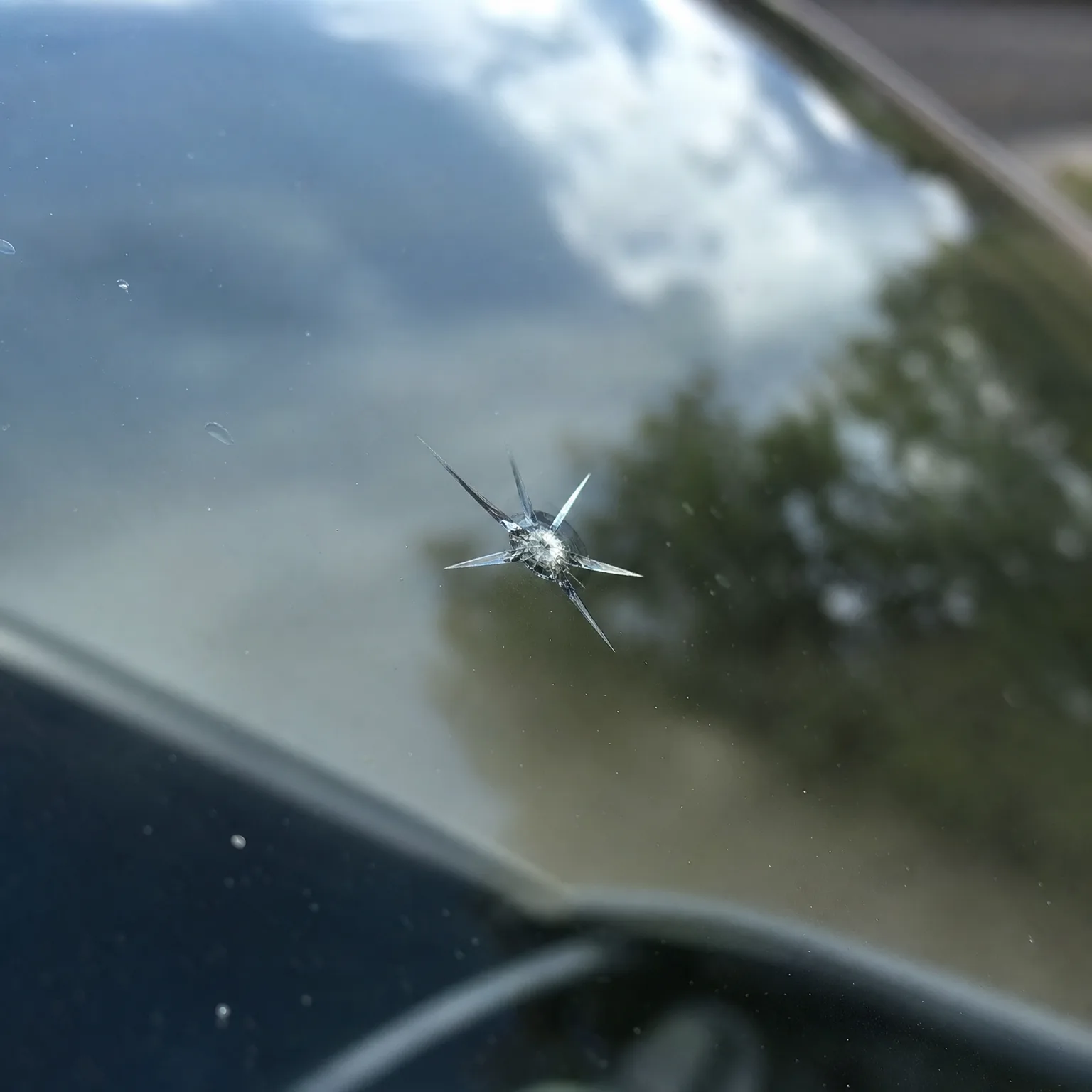
What Is the Downside to Having a High Deductible
A high deductible lowers your premium but raises what you owe the moment your teen has a claim.

What a high deductible actually costs you
- More cash due after a crash You pay the deductible before coverage kicks in, so a higher number means more money out of your pocket right after an accident. Check that you actually have that amount available, not just on paper.
- Teens crash more often A new driver is statistically more likely to file a claim than an experienced one. A high deductible that seemed fine for your own driving record may get tested sooner than you expect with a teen on the policy.
- Small repairs may go unclaimed If the deductible is close to the repair cost, you might end up paying out of pocket anyway instead of filing. Decide now whether you'd rather claim small dents or just cover them yourselves.
- Savings are a bet, not a gift The lower premium only pays off if no claim happens. Weigh the monthly savings against the chance a new driver actually needs that money back.
- It shrinks your other buffer Money set aside for a deductible isn't available for other surprises. Make sure raising it doesn't leave you thin if two unrelated expenses hit the same month.
A fender bender in the school parking lot
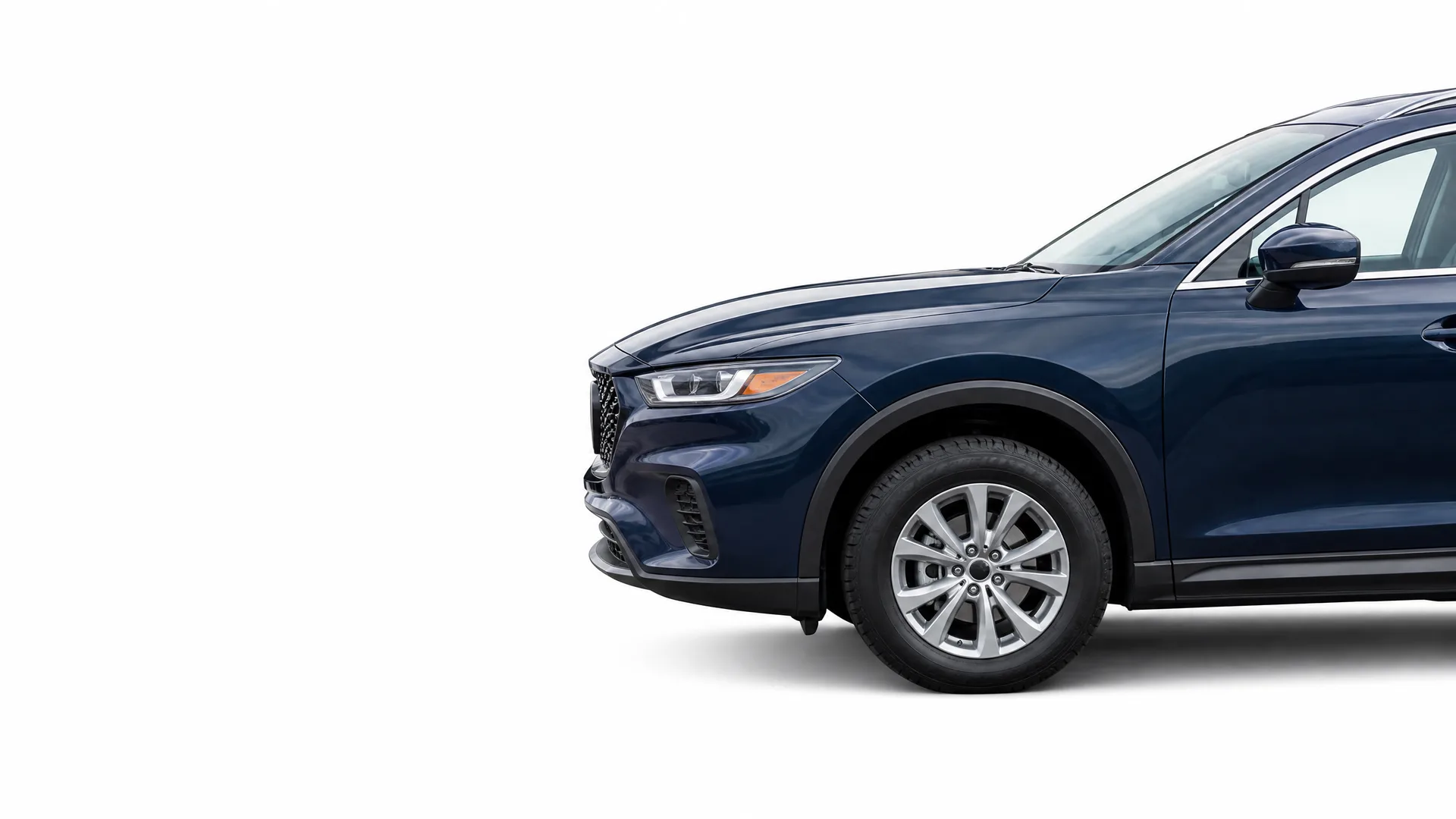
A parent raised the deductible on the family policy to shave the premium down after adding their sixteen year old. A few months in, the teen backed into a pole leaving school, cracking a taillight and denting the bumper. The repair estimate came in just above the deductible amount.
The parent had to decide whether filing was worth it, since the payout after the deductible was small and a claim could affect future premiums anyway. They ended up paying for the repair themselves rather than filing, which meant the lower monthly premium hadn't actually saved them anything yet, it just delayed the cost and left them covering a bill they hadn't planned for. The experience led them to rethink the deductible level before the next renewal, choosing something they could cover without a second thought.
A deductible isn't a discount, it's money you need ready the day something goes wrong.
Once you know what deductible you can actually afford to pay out of pocket, compare quotes at that level.

Choosing a high deductible for the policy
If you do
Your monthly premium drops and stays lower as long as nothing happens. If your teen has an accident, you owe the full deductible before coverage pays anything, and that bill can land fast and unplanned, right after an already stressful event.
If you don't
You pay more every month for the lower deductible, but a claim costs you less out of pocket when it happens. With a new driver in the house, that trade can buy you peace of mind even if it costs a bit more over the year.
What deductible should I actually pick for a teen driver?
Pick the highest deductible you could pay in full, today, without borrowing or stressing your budget, not the highest number the insurer offers. The discount for going higher keeps shrinking while the risk you're taking on keeps growing, so there's a point past which it stops being worth it.
With a teen driver specifically, lean toward the lower end of what you can afford rather than the upper end, since the odds of an early claim are real. Some families split the difference, choosing a middle deductible and setting aside the gap in savings so they're covered either way. Check how your insurer treats multiple claims too, since that can matter more than the deductible itself when a new driver is involved.