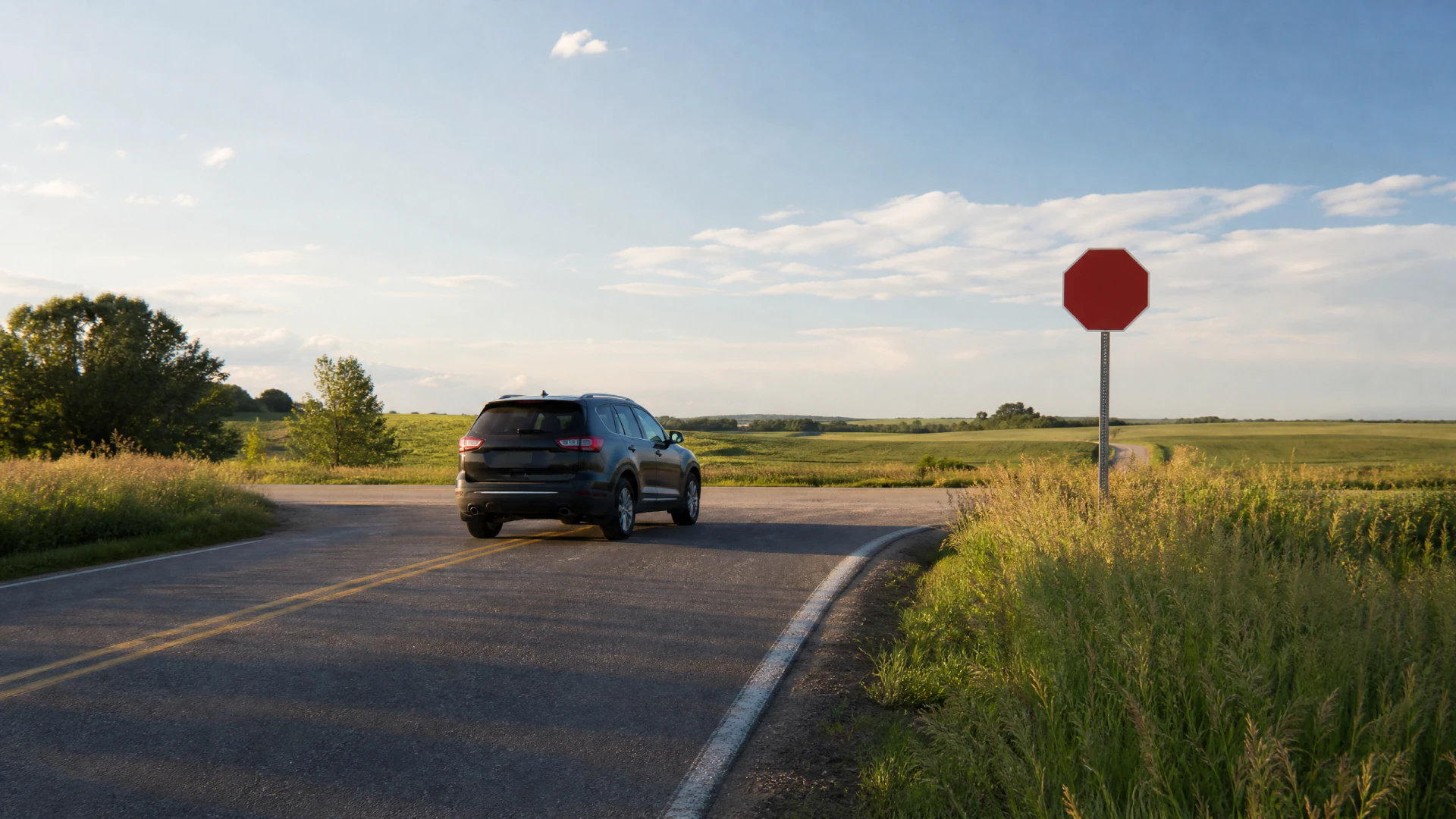
What Is the Safest Car to Get a New Driver
The safest car for a new driver is a midsize sedan or small SUV with strong crash protection, modern safety features, and a lower top speed.

What actually makes a car safer for a new driver
- Size and weight Bigger isn't always better, but very small cars absorb less impact in a crash. A midsize sedan or small to midsize SUV gives your teen a safer balance without being hard to handle.
- Modern safety features Look for automatic emergency braking, blind spot warning, and lane departure alerts. These systems catch the mistakes new drivers are still learning to avoid.
- Horsepower and speed A car that accelerates slowly is a feature, not a flaw, for a new driver. Less power means less temptation and more time to react.
- Visibility from the seat Good sightlines matter more than people expect. A car that's easy to see out of helps a new driver judge distance and avoid blind spot mistakes.
- Reliability and simplicity A car that won't break down or confuse your teen with complicated controls keeps their attention on the road. Simple and dependable beats new and complex.

The short version
The safest car for a new driver is a midsize sedan or small SUV with modern safety features, a lower top speed, and good visibility. Avoid very small cars and anything with high horsepower. Next, make a list of a few models that fit this, then check safety ratings before you shop.
Choosing between a sports coupe and a used sedan
A parent came in ready to buy their teen a two door coupe because it was affordable and the teen loved how it looked. Before deciding, they checked how the car performed in crash tests and noticed it had a high horsepower engine and limited rear visibility. They also found that insuring it would cost more simply because of the vehicle type, separate from the teen being a new driver.
They switched to a few year old midsize sedan with a strong safety record, automatic emergency braking, and a lower powered engine. The teen was less thrilled at first, but the parent explained the reasoning and the teen came around once they test drove it and found it easy to see out of and simple to control. The car turned out to be less expensive to insure too, since it combined lower repair costs with features insurers recognize as reducing risk.
Once you know the kind of car that keeps your teen safer, compare quotes to see how much that choice actually saves.
Does the safest car for a new driver also cost less to insure?
Usually yes, but not automatically. Insurers price a vehicle based on a mix of factors including how often that model is in claims, how expensive it is to repair, and how likely it is to be stolen. A car with strong safety features and a reputation for reliability tends to score well on most of these, which often brings the premium down.
But a brand new vehicle with advanced features can also be expensive to repair because those features involve sensors and cameras that cost more to fix after even a small accident. A few year old model with a strong safety record often ends up being the sweet spot, safe enough to protect your teen and simple enough to keep repair costs reasonable. Always check an actual quote for the specific car you're considering rather than assuming based on reputation alone.

Whether you choose a smaller, simpler car over a bigger one
If you do
Your teen drives something with a lower top speed, better visibility, and fewer distractions. It may feel less exciting to them, but it gives them a more forgiving margin while they're still building judgment and reaction time behind the wheel. Insurance costs may also come in lower, depending on the model.
If you don't
If you let them choose based on looks or speed, you may be adding real risk during the years they're most likely to make mistakes. A powerful or very small car reacts less forgivingly to the kind of errors new drivers commonly make, and insurance costs are often higher too.
What safety features should I actually look for when buying a car for my teen?
Look for automatic emergency braking, blind spot monitoring, and lane departure warning first, since these address the most common new driver mistakes. Backup cameras and parking sensors help too, especially for tighter spaces. Check the manufacturer's safety sheet or ask a dealer directly, since not every trim level of a model includes these features, even within the same car.
Is a used car safer or more affordable for a new driver than a new one?
A used car from the last several years is often the better balance, combining modern safety features with a lower price and lower insurance cost. Very old vehicles may lack features like automatic braking, while brand new ones can be expensive to repair after small accidents. Check the specific model year's safety ratings rather than assuming age alone tells you enough.
Should I buy a separate car for my teen or share one from our household?
Sharing a car often costs less overall and can work fine if your schedules allow it, but it also means the whole family's experience, including insurance history, is tied to one vehicle. A dedicated car gives your teen consistency and may simplify choosing one with the safety features that matter most. The right call depends on your household's schedule and budget more than any fixed rule.


