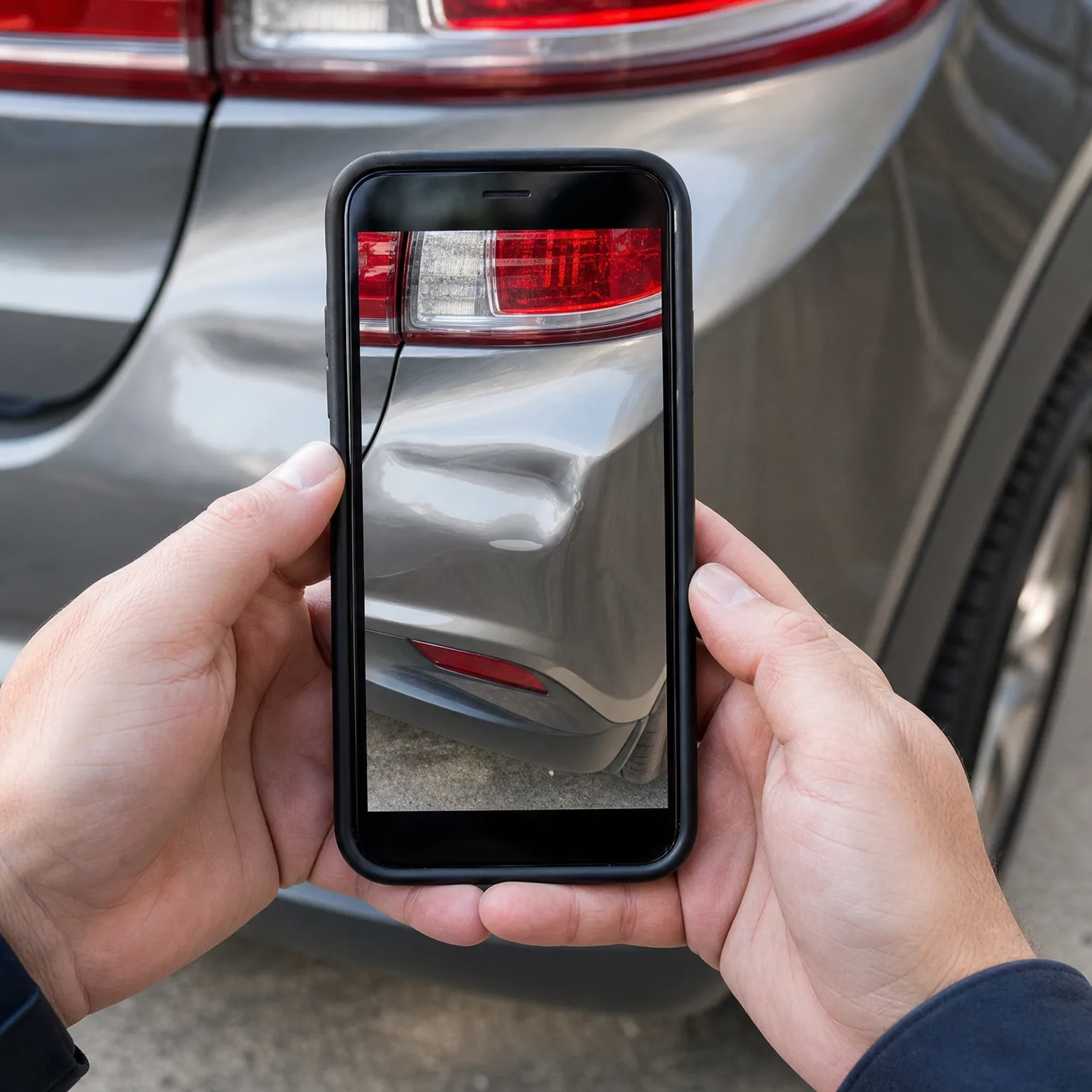
What Qualifies as Hard Braking
Hard braking is a deceleration sharp enough that the app's sensors read it as sudden, not a judgment about whether it was necessary.
A teen's first month on a monitoring app
A father added his daughter to the policy and enrolled her in the insurer's driving app to earn a discount. Her first week showed three hard-braking events, and he worried she was driving recklessly. He rode with her the next weekend and watched her stop normally at lights and signs, nothing that felt dangerous from the passenger seat.
What the app had flagged turned out to be two sudden stops behind cars that braked unexpectedly on a highway on-ramp, and one stop for a pedestrian who stepped out between parked cars. None of it was poor driving. He kept her enrolled, checked the weekly summary instead of reacting to single alerts, and her event count naturally dropped as she logged more highway miles where sudden stops are rarer. The score recovered within two months, and the discount held.
Will one hard-braking event raise my teen's insurance rate?
No, a single event almost never changes a rate on its own. These programs look at patterns across many trips, not isolated moments, because any driver, including an experienced one, will occasionally brake hard to avoid something unexpected.
What matters is the overall trend over the monitoring period. A teen with mostly smooth driving and a few scattered hard-braking events will usually still qualify for a good discount. The concern is a consistent pattern, many events per trip, happening week after week, because that's what the scoring treats as a sign of following too closely or driving too fast for conditions. Check your specific program's scoring summary to see whether it shows a trend line or just raw counts, since that affects how much weight one bad week actually carries.
Treat the app's score as coaching, not a verdict on your teen's character.
Once you know what these events measure, compare quotes from insurers whose monitoring scores driving fairly.

Enrolling your teen in a driving monitoring app
If you do
You get a real, trip-by-trip window into how your teen actually drives, not just how they drive when you're in the car. Most programs offer a discount for enrolling, sometimes another for scoring well. You can use flagged events as specific, low-conflict coaching moments instead of vague warnings.
If you don't
You keep rates based on broader factors like age and location instead of your teen's individual habits, which can mean paying more than a smooth driver would under monitoring. You also lose the early-warning view into patterns like frequent sudden stops that could point to risky habits worth fixing.
What actually counts as a hard-braking event
- Deceleration rate, not reason The sensor measures how fast speed drops in a short span, not whether the stop was justified. A sudden stop for a deer counts the same as one from tailgating.
- Speed and phone sensors combined Most apps use your phone's accelerometer alongside GPS speed data to detect the event. A phone that shifts position in the car can occasionally cause a false reading.
- Frequency over one event Scoring usually looks at events per mile or per trip over time. A few isolated events during a monitoring period rarely affect the outcome much.
- Following distance matters most Hard stops are far more common when a driver sits close behind the car ahead. Coach your teen to leave more space, especially in traffic, to cut down on flags.
- Program details vary by insurer What threshold counts as hard braking, and how heavily it's weighted, differs by company and sometimes by state. Check your program's own explanation rather than assuming it matches what you've heard elsewhere.