
What Should I Do Immediately After Buying a Used Car
Call your insurer before you drive the car home, because an unlisted car can mean an unpaid claim.
Why the order of steps matters here
Insurance follows the car and the paperwork, not your intentions. The moment you own the car, you're financially responsible for anything that happens with it, whether that's a dent in a parking lot or a collision on the way home. Most policies give you a short window where a newly acquired car can be picked up under your existing coverage automatically, but that window is not infinite and it is not automatic everywhere, so the safest move is to treat the drive home as if the car is already insured and confirm it the same day.
The title transfer and registration matter just as much as the insurance call, because an insurer will ask who legally owns the car before they'll cover it long term. If the seller's name is still on the title when something goes wrong, you can end up in a dispute about who was responsible, even if you paid in full and have the keys. Getting the paperwork moved quickly closes that gap.
There's also a practical reason to call your insurer right away instead of waiting until your next renewal. Adding the car changes your premium, and insurers calculate that based on the car's value, safety record and how it'll be used. If your teen is going to be the primary driver of this car, that needs to be said plainly, because listing them as an occasional driver on a car they actually drive every day is the kind of mismatch that causes real problems at claim time.
Where this varies is in how long the automatic coverage window lasts and whether it applies at all to an additional car versus a replacement car. Check your policy documents or call your agent to find out which situation you're in before you assume you're covered.
Does my teen need to be listed as the driver of this specific car?
Yes, if your teen is the one who will mainly be driving it. Insurers rate cars partly based on who drives them most often, and a mismatch between who's listed and who's actually behind the wheel most days can cause a claim to be delayed or questioned later.
If the car will genuinely be shared across the household, say that too, because insurers have ways to reflect shared use rather than forcing you to pick one name. What matters is accuracy. The goal isn't to find the cheapest label, it's to describe reality closely enough that a claim goes smoothly when you need it to. Talk through actual day to day use with your agent rather than guessing.

The car isn't really yours, insurance-wise, until you've told your insurer it exists.
Once your teen's car is properly listed and insured, compare quotes to avoid overpaying for that coverage.
Handle these in the first days of ownership
- Call your insurer same day Tell them the car exists and who'll be driving it before you put real miles on it. This closes any gap between buying the car and officially insuring it.
- Confirm the title transfer Make sure the seller signs over the title and you file it with your state promptly. An unclear title can complicate both registration and claims.
- Name the real primary driver If your teen will drive this car most, say so plainly rather than listing it under your name. Accuracy now prevents disputes if a claim happens later.
- Ask about coverage for this car A different car can mean different coverage makes sense, especially if it's older or worth less. Ask your agent what's actually worth paying for on this vehicle.
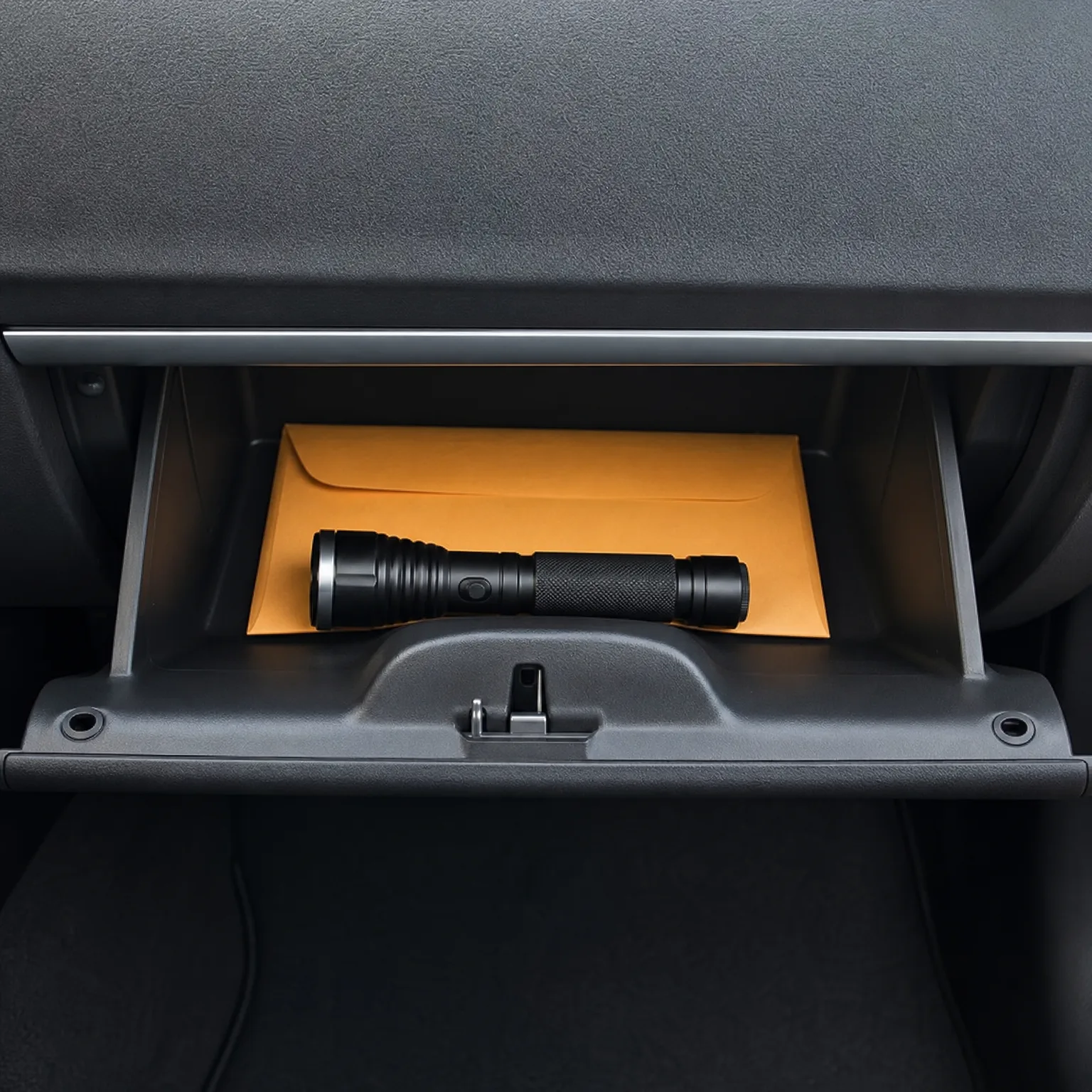
- Get updated insurance cards Once the car is added, request updated proof of insurance for the glove box. Your teen should have this in the car before driving it anywhere alone.

How long do I have before I legally need to insure a newly bought car?
There's often a short grace period where an existing policy extends to a newly acquired car automatically, but it's not universal and it's not long. Treat it as a same-day task rather than relying on the grace period, because the exact length and whether it applies to your situation depends on your policy and your state. Check your documents or call your agent to confirm rather than assuming you're covered during the gap.
Should I buy a car in my name or my teen's name for insurance purposes?
Keeping the car in your name as the parent usually works out simpler and often cheaper, since it stays tied to your existing policy and history rather than starting fresh. Putting it solely in your teen's name can mean building separate insurance history with no track record behind it, which tends to cost more. Ask your agent to compare both setups directly for your situation before deciding, since household makeup and state rules can shift the answer.
What's the cheapest way to insure a second car for a teen driver?
The cheapest approach usually involves keeping the teen on the parents' existing policy rather than starting a separate one, and choosing an older, modestly valued car rather than a new one. Ask your agent about ways to reflect occasional versus primary use accurately, since misreporting can cost you at claim time even if it saves money upfront. The real answer depends on your specific household and the car, so get a direct comparison rather than guessing.