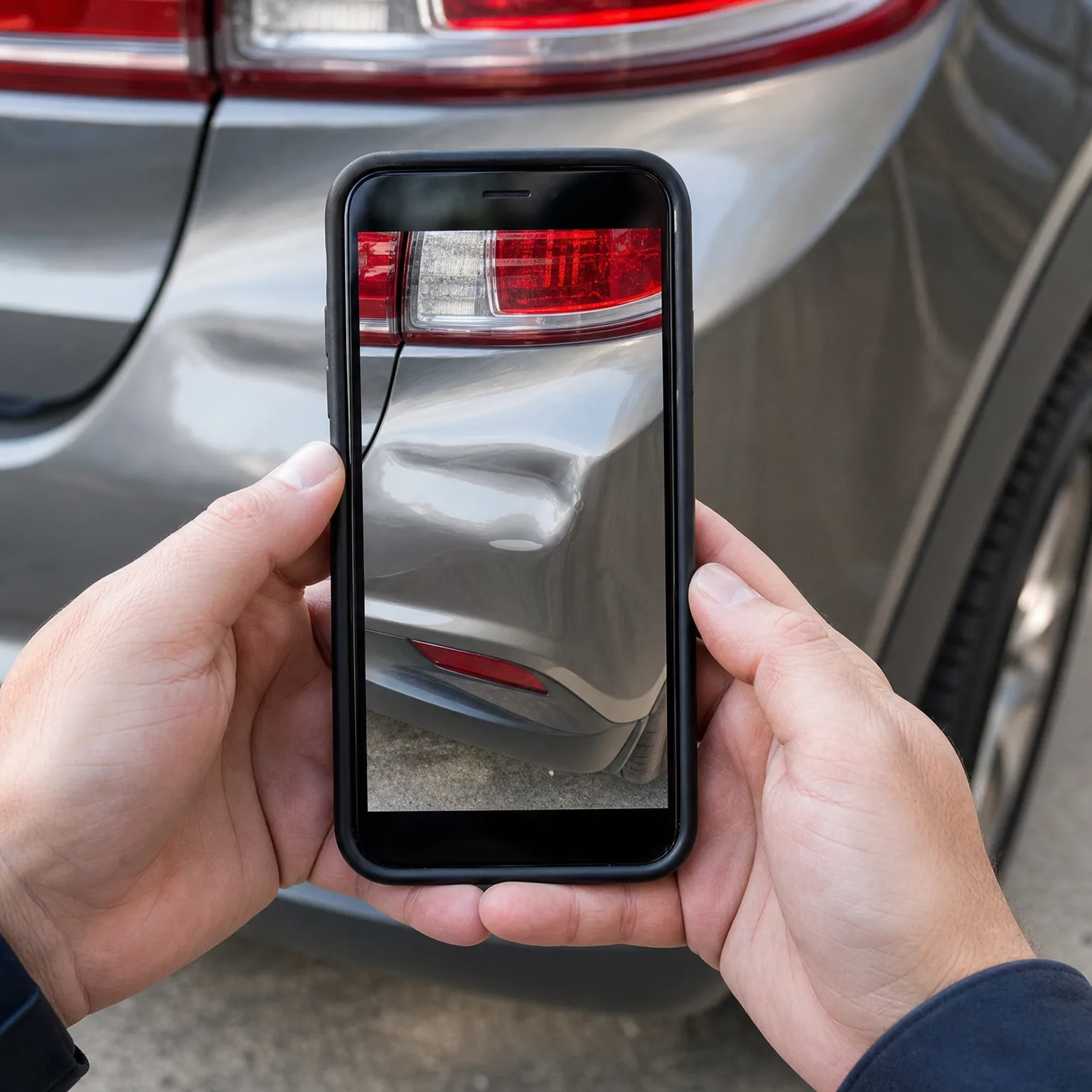
What Should Parents Look for in a Teen Driving App
The best teen driving app tracks real driving behavior clearly enough that your teen understands it and accepts it instead of fighting it.
Why some apps change behavior and others get ignored
A driving app only works if it changes what happens behind the wheel. That means it has to measure things that actually predict crashes, hard braking, speeding, phone handling, late-night driving, not just location. Apps that only tell you where your teen is give you comfort, not safety. The ones that help are the ones that turn raw data into feedback your teen can act on.
The second piece is tone. If an app feels like pure surveillance, teens tend to find ways around it, leaving the phone in a bag or borrowing a friend's car. Apps that show the teen their own data, not just the parent, tend to hold up better over months because the teen starts self-correcting rather than just reacting to getting caught.
Insurer-linked apps add another layer. Some tie directly into a discount or a monitoring program, which means the data might also affect your rate. That can be a good thing since safe driving gets rewarded, but it also means you should know upfront what triggers a rate change and what doesn't. This varies by insurer, so check the specifics before you assume a good driving score always helps.
Where this plays out differently is households with more than one teen driver, or teens who already drive a car with built-in telematics. In those cases an added app might duplicate data you already have, so the right move is to check what your insurer or vehicle already tracks before paying for or installing something new.

What actually matters when you compare apps
- Real behavior tracking Look for braking, speeding, and phone use data, not just location. This is what predicts risk, so an app without it won't tell you much that matters.
- Teen-visible feedback Choose an app that shows your teen their own scores and trends. Teens who see their own data tend to adjust faster than teens who only hear about it from a parent.
- Clear link to your rate Ask your insurer directly whether this app's data affects your premium and how. This varies by company, so don't assume a good score automatically lowers your bill.
- Reasonable battery and privacy Check what the app collects beyond driving data and how much battery it drains daily. An app that annoys your teen into disabling it protects no one.
- Fits your car's existing tech If your car already has built-in monitoring, see if it overlaps with the app before adding another layer. Redundant tracking wastes effort and confuses what you're actually measuring.
The app only works if your teen trusts what it's measuring, not just if you trust it.
Once you know what the app should track, compare quotes to see what that protection actually costs.

Choosing between two apps after a rough first month
A parent noticed their teen braking hard on the same stretch of road most weekday mornings. The free app that came bundled with their phone plan only showed location history, so they couldn't tell if it was traffic, distraction, or just an unfamiliar turn. They switched to an app recommended by their insurer that broke down braking events by time and road, and it turned out the teen was rushing before a zero period at school.
The parent didn't lead with the data as a punishment. They sat down with their teen, showed them the pattern, and the teen adjusted their morning routine to leave ten minutes earlier. Within a few weeks the hard-braking events dropped off almost entirely. The parent also called their insurer to confirm the app's score fed into a possible discount, and learned it did, but only after a set period of consistent safe driving. That gave them a concrete reason to keep using it beyond just peace of mind.

Does a driving app actually lower what I pay for insurance?
Sometimes, but not automatically, and not the same way everywhere. Many insurers offer a program where driving data can earn a discount, but the details of what counts as safe, how long it takes, and whether a bad stretch can raise your rate instead all vary by company.
Before you install anything for the discount, call your insurer and ask exactly how the scoring works and whether enrolling is optional or tied to your current policy. Some programs only apply to new policies or specific vehicles. Get this in writing or at least confirmed clearly, so you're not surprised either way when renewal comes around.