What Should You Do if You Feel Drowsy While Driving
Pull off the road and stop driving, because nothing else actually reverses drowsiness once it sets in.
Your body is already losing the fight before you notice
Drowsiness isn't a feeling you can push through with willpower. By the time you notice yourself fighting to stay alert, your brain has likely already slipped into brief lapses called microsleeps, some lasting just a few seconds. At highway speed, a few seconds is enough to cross into another lane or miss a stopped car ahead entirely.
The tricks people rely on, loud music, cold air, caffeine, work for a little while because they create discomfort or a short burst of alertness. None of them address the actual problem, which is that your brain needs sleep and will eventually take it whether you agree or not. Caffeine takes time to work and wears off, often right when you're deep into a long stretch of road.
This is why the only reliable response is to stop driving. Pulling over and resting, even briefly, interrupts the cycle in a way that no amount of forced alertness can. If you can sleep for a short while, your brain gets an actual reset instead of a temporary patch.
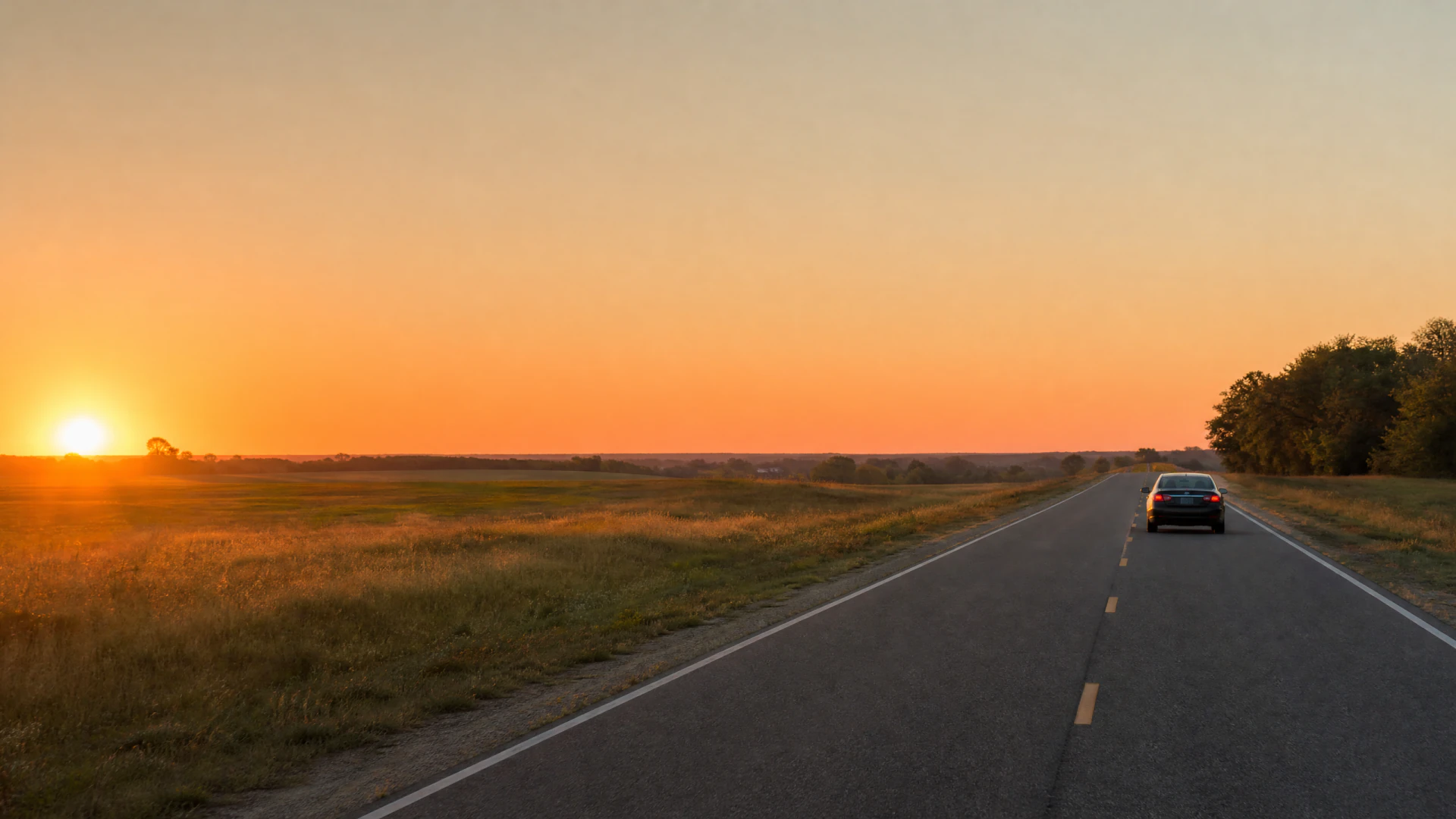
Where this plays out differently is in how available a safe stop is. On a highway with regular rest areas, pulling over is simple. On an unfamiliar road at night with nowhere obvious to stop, you may need to get off at the next exit or populated area rather than waiting for a perfect spot. The goal is the same either way, get off the road before your body makes the decision for you.
What actually helps once you feel it coming on
- Pull over immediately Find a rest stop, parking lot, or well-lit area as soon as you notice heavy eyes or drifting focus. Don't wait for the next exit if it's far away.
- Take a short nap A brief nap, even just a short one, does more than any stimulant. Set an alarm, lock your doors, and let your body actually rest.
- Switch drivers if possible If someone else in the car is alert and licensed, trade off. This is the fastest fix when it's available.
- Use caffeine as backup Caffeine can help after a short nap, giving you a little extra alertness as you start driving again. On its own it won't undo real fatigue.
- Plan stops ahead of time Decide ahead of time where you'll break up a long drive. Deciding in the moment, when you're already tired, is much harder.
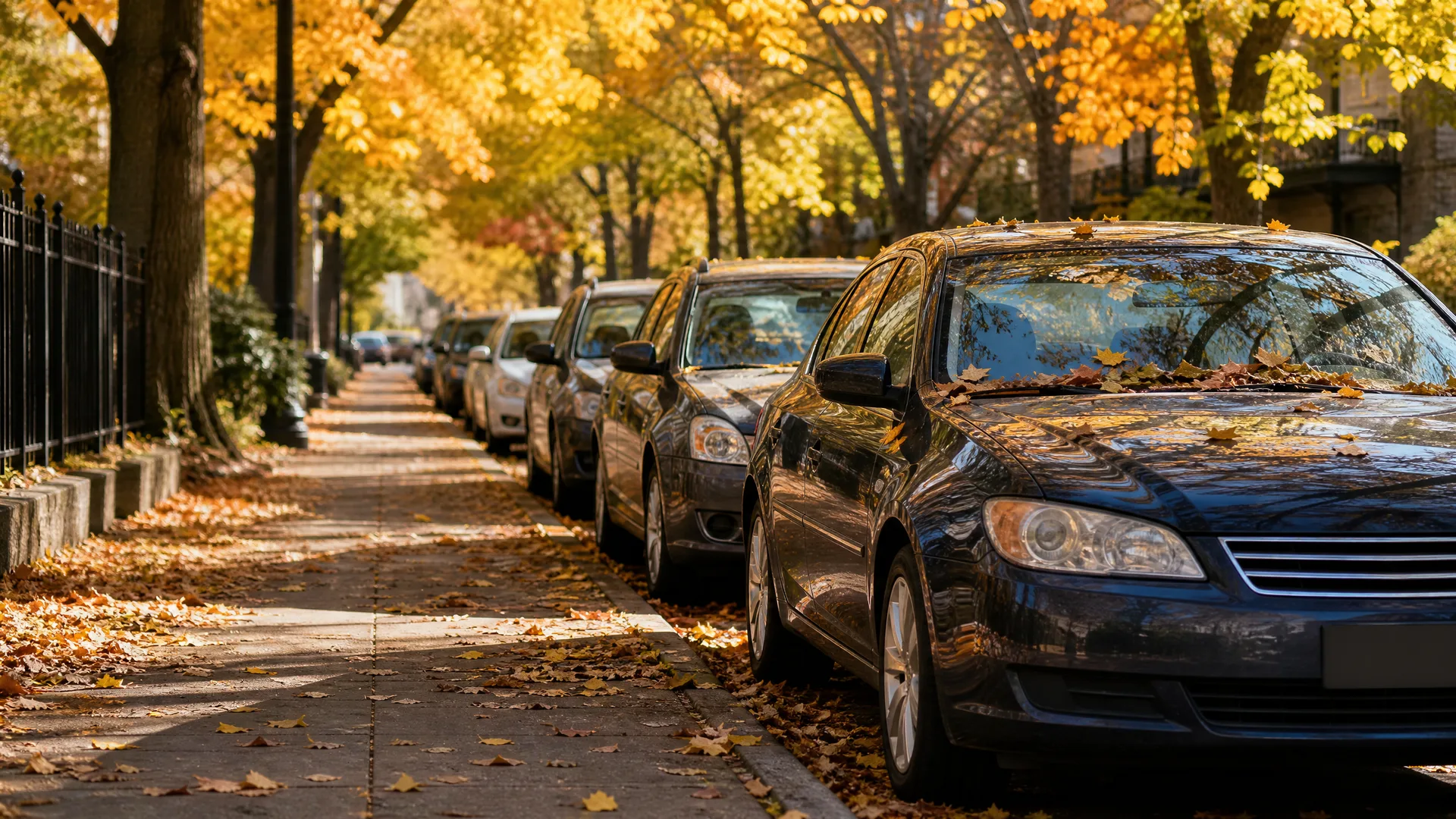
With a plan for staying alert on the road, it's a good time to compare quotes and make sure your coverage matches it.
Is it actually dangerous, or just uncomfortable, to drive drowsy?
It's genuinely dangerous, not just unpleasant. Drowsy driving affects reaction time, judgment, and awareness in ways that closely resemble impaired driving. The comparison isn't an exaggeration, it's how researchers and safety officials actually describe it, because the underlying effect on your brain is similar.
The danger is also harder to recognize in the moment than other forms of impairment. There's no obvious line you crossed, just a gradual decline that can go from mildly tired to a microsleep without a clear warning in between. That's part of why so many drowsy driving incidents happen on long, monotonous stretches of road where nothing forces you to stay sharp. Treating drowsiness as a real impairment, not just an inconvenience, is what makes pulling over feel necessary instead of optional.
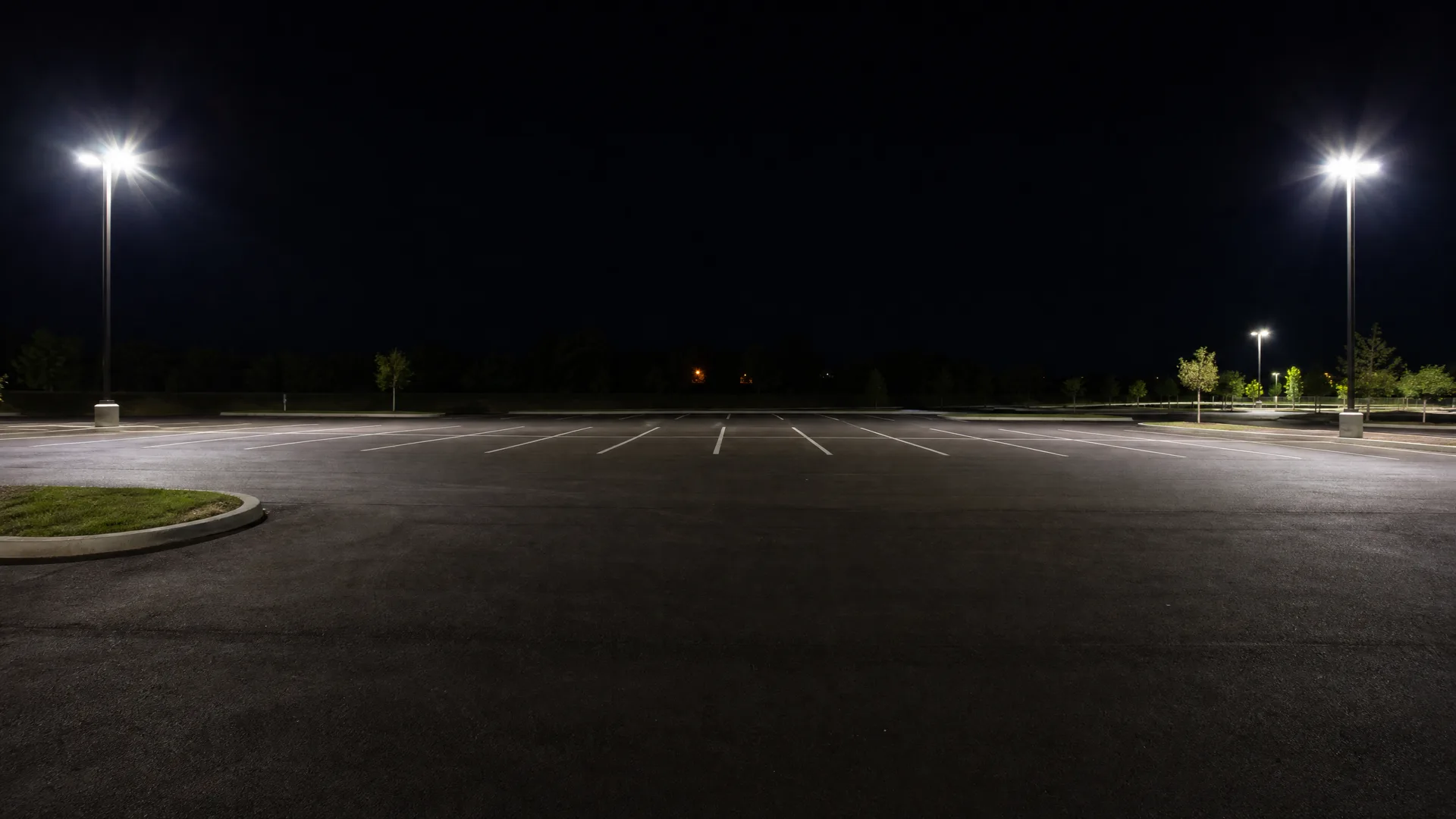
Pulling over when you feel it versus pushing through
If you do
You lose a little time, maybe twenty minutes, maybe more. You arrive later than planned. But you arrive. Your reaction time stays intact, you notice hazards normally, and you avoid the kind of split-second lapse that causes serious crashes on otherwise ordinary roads.
If you don't
You might make it home fine, plenty of people do. But you're driving on borrowed time, hoping your brain doesn't take a microsleep at the wrong moment. If it does, you may not see a stopped car, a curve, or a pedestrian until it's too late to react.
How do I stay awake on a long road trip without caffeine overload?
The real answer is building in stops before you need them, not finding a substitute for caffeine. Plan breaks every couple hours regardless of how you feel, since fatigue often arrives faster than expected on monotonous roads. Share driving with a passenger if you can, keep the car cool rather than overheated, and treat any wave of heaviness as a signal to stop rather than push forward. Caffeine in moderation can help after a short rest, but it works best as a supplement to breaks, not a substitute for them.
What are the warning signs that I'm too tired to keep driving?
Heavy eyelids, frequent blinking, and trouble keeping your head up are the clearest signs. Drifting within your lane, missing an exit or sign you'd normally catch, and losing track of the last few minutes of driving are also strong signals your brain is already slipping. Yawning repeatedly and feeling restless or irritable can show up too. Any one of these on its own is worth taking seriously, and several together mean you should stop driving as soon as it's safe to do so, not after the next few miles.
Does drowsy driving affect my insurance if I'm in an accident?
It can, depending on how the crash is classified and investigated, since drowsy driving may be treated similarly to other forms of impaired or negligent driving in some states and policies. Check how your state and insurer handle fault determinations involving fatigue, since this varies. What's consistent everywhere is that an at-fault accident, regardless of cause, typically affects your record and future rates, which is one more reason pulling over costs far less than the alternative.