What to Do in a Hit and Run Parked Car Situation
Document the damage, call the police to file a report, then file a claim under your own collision coverage.
Your own policy covers this because the other driver can't be found
When someone hits a parked car and drives off, there's no one to bill for the damage. Liability coverage only works when you know who's at fault and can make a claim against their policy. With no driver identified, that path is closed, at least for now.
This is exactly what collision coverage is for. It pays to repair your car regardless of who caused the damage, as long as you carry that coverage on the policy. If the car only has liability coverage, there is no collision coverage to fall back on, and the repair cost falls on you unless the driver is later identified.
Some states and insurers also offer uninsured motorist property damage coverage, which can apply to hit and run situations without the deductible that collision carries. Whether this coverage exists on your policy, and how it interacts with collision, varies by insurer and state. Check your policy documents or ask your agent which one applies before you file.
A police report matters even though no suspect exists. Insurers use it to confirm the damage wasn't something else, like a mechanical issue or an intentional act, and some coverage types require a report filed within a set window. File it as soon as you find the damage, not after you've already started getting repair quotes.
A dented bumper with no note on the windshield
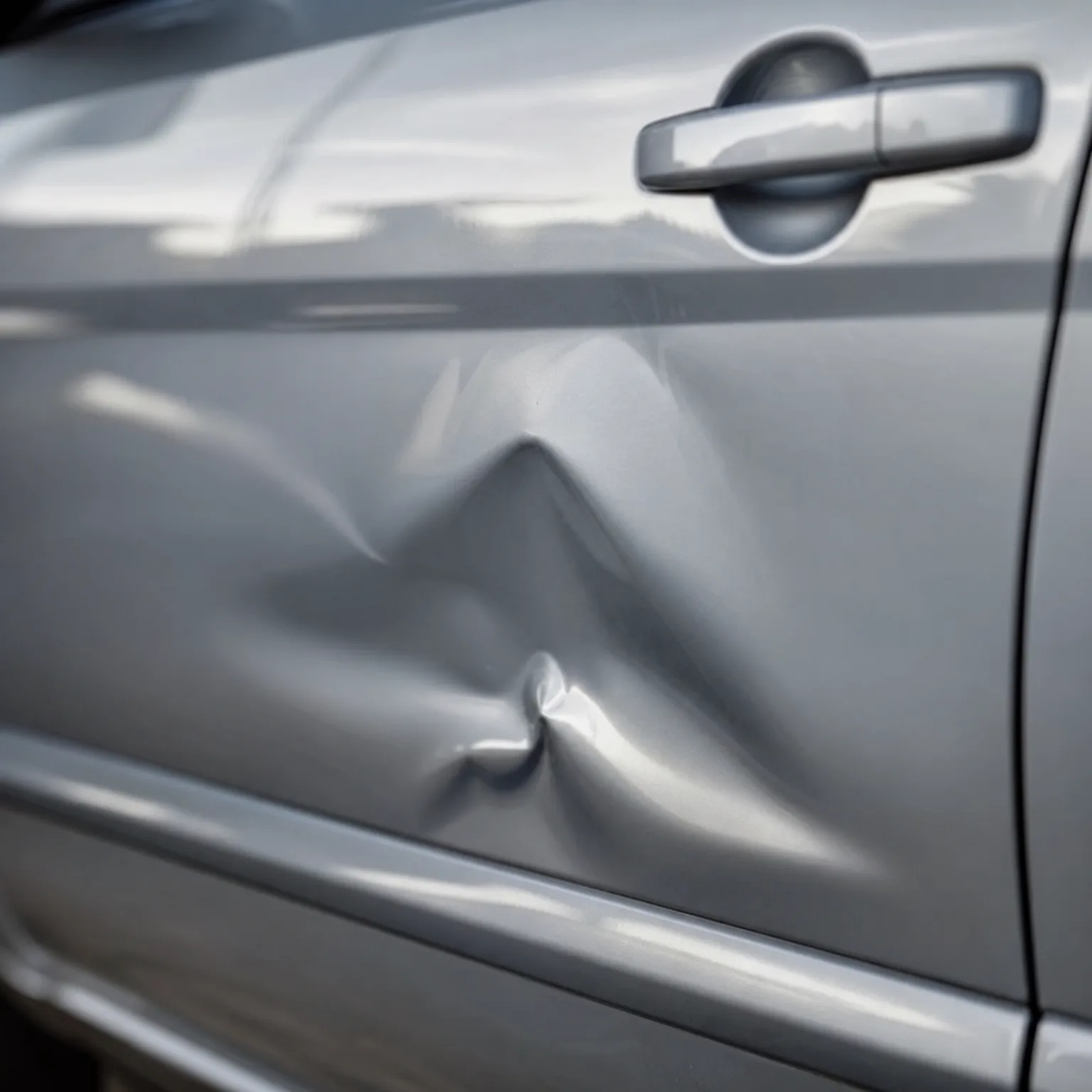
A parent came out to the driveway and found the teen's car with a crushed rear bumper and a broken taillight. No note, no witness, nothing. The teen hadn't driven it in two days, so the window for it happening was wide open. They took photos immediately, then called the non-emergency police line to file a report, since there was no injury or ongoing danger.
The insurer asked for the police report number, photos, and an estimate from a body shop. Because the policy included collision coverage, the claim was approved and the repair went forward with the deductible paid upfront. The family's rates didn't rise the way an at-fault accident would have, since the claim was coded as no-fault. The whole process took about two weeks from report to repair, and the only real cost was the deductible and the inconvenience of being without the car for a few days.
This isn't about fault, it's about whether you chose the right coverage beforehand.
Compare quotes that include the collision and uninsured motorist coverage this situation actually needs.
Will this raise my teen's insurance rates even though it wasn't their fault?
Usually not the way an at-fault accident would. Most insurers code hit and run claims as no-fault or not-at-fault, since the policyholder didn't cause the damage and couldn't have prevented it. That distinction matters because rating systems are built around fault, not just claim frequency.
That said, filing any claim can still show up in a household's claim history, and some insurers weigh that history even for no-fault events, especially if there's more than one claim in a short period. How much this affects renewal pricing depends on the insurer and sometimes the state. Ask directly how this specific claim will be coded and whether it affects the renewal, rather than assuming it works the same everywhere.
What actually moves this claim forward
- Photograph everything first Take wide and close shots of the damage before anything is touched or moved. This is the evidence your claim rests on, so don't wait until later to do it.
- File the police report fast Many insurers require a report filed within a short window after you discover the damage. Call the non-emergency line and get a report number for your claim.
- Check which coverage applies Collision and uninsured motorist property damage both can apply, but they work differently and not every policy has both. Ask your agent which one fits before assuming.
- Know your deductible going in Collision claims usually involve paying a deductible before repairs start. Compare that cost against the repair estimate to decide if filing even makes sense.
- Ask how the claim gets coded Confirm with the insurer that this will be marked not-at-fault, since that's what usually protects your renewal pricing. Get this in writing or in your claim notes if you can.
Should I even file a claim if the damage is minor?
Compare the repair cost to your deductible first. If the deductible is close to or higher than the repair estimate, filing may not be worth it since you'd pay out of pocket either way. If the damage is clearly more than the deductible, filing usually makes sense, especially since it's coded not-at-fault in most cases. Ask your insurer for a repair estimate range before deciding.
What if I find a witness or security footage later?
Bring it to the insurer and police immediately, since identifying the driver changes everything. If the driver is found, their liability coverage can pay for the damage instead of yours, and you may get your deductible back. Reopen the claim rather than filing a new one, and ask the insurer what happens to the earlier payout once the other driver is identified.
Does where the car was parked change how this is handled?
It can affect what evidence is available, but not which coverage applies. A car hit in a store parking lot might have security footage to request, while one hit on a quiet street usually won't. Ask nearby businesses or check for traffic cameras before assuming there's no way to identify the driver. The claims process itself stays the same either way.