What to Do When Someone Is Using High Beams
Look away from the glare toward the right edge of your lane, slow down, and never flash back aggressively.
Your eyes and your reaction matter more than the other driver
High beams overwhelm your eyes because headlights are built to throw light far down the road, and when that light hits your eyes directly instead of the pavement, it causes temporary night blindness. Your pupils have adjusted to the dark, and a sudden blast of bright light floods them before they can shrink down again. That's why the fix isn't to stare down the problem, it's to get your eyes off the light source entirely.
Looking toward the right edge of the road, at the fog line or the shoulder, gives you a reference point that keeps you in your lane without needing to look at the oncoming car. This works because your peripheral vision still picks up the edge of the road even when you're not looking straight ahead. Slowing down matters too, since reduced visibility means you need more time to react if something is wrong with the road ahead.
Flashing your own high beams back can feel satisfying, but it blinds both drivers at once and raises the chance of a crash, which is the opposite of what you want. Most of the time the other driver doesn't even know their high beams are on, especially if it's an older car or a distracted driver who forgot to switch them off after a stretch of empty road.
What counts as a violation and how it's enforced varies by state, so if this keeps happening on a route you drive often, it's worth checking your state's specific rules on headlight use.
A teen driver gets blinded on a rural road at night
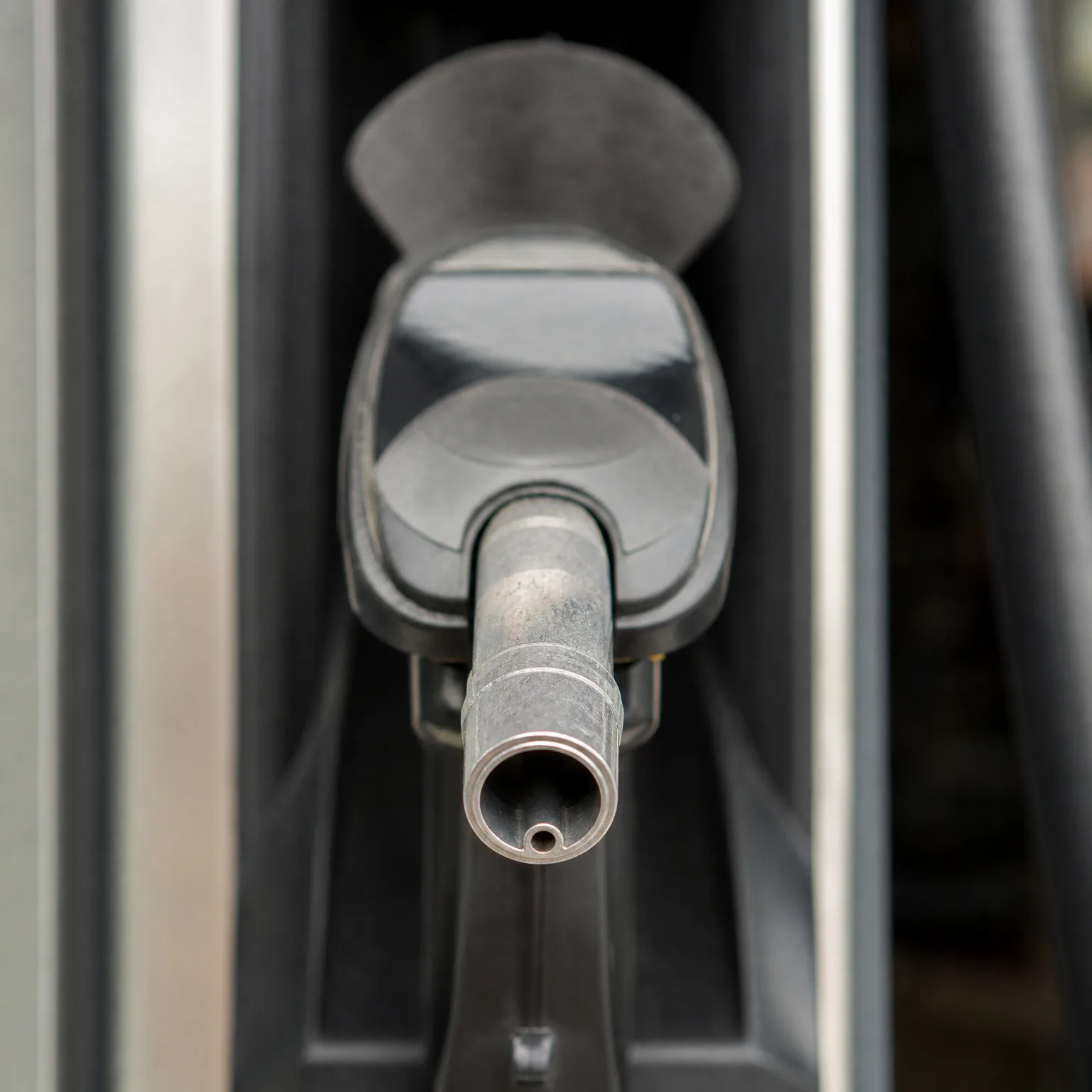
A newly licensed teen is driving home from a friend's house on a two lane rural road with no streetlights. A pickup truck coming the other way has its high beams on, and the teen panics, says they can't see anything, and instinctively looks straight at the lights. The car drifts slightly toward the center line before the teen corrects.
Afterward, the parent talks through what to do next time: look at the white line on the right side of the road, ease off the gas, and let the other car pass before speeding back up. They practice it together on a quiet street at night so the response becomes automatic instead of something the teen has to think through in the moment. The next time it happens, the teen handles it calmly and mentions it almost like a non-event, which is the real goal.
Whether you look away from the glare or stare it down
If you do
You keep your lane position using the road's edge as a guide, slow down enough to react safely, and let the moment pass without incident. Your eyes recover faster once the other car is gone because you never lost your night vision in the first place. You arrive having barely noticed it happened.
If you don't
Staring at the lights or flashing back blinds you further, narrows your reaction time, and raises the odds of drifting or missing something on the road ahead. The other driver might flash back too, leaving both of you driving half-blind for several seconds, which is long enough for something to go wrong.
Once your teen knows how to handle glare calmly, compare quotes knowing you've covered one more real risk on the road.
What actually helps in the moment
- Look right, not at the light Shift your gaze to the right edge of the road or the fog line instead of the oncoming headlights. This keeps you in your lane without needing to look at what's blinding you.
- Slow down before you need to Ease off the gas as soon as you notice the glare, not after you're already struggling to see. Reduced speed gives you more time to react if the road ahead isn't clear.
- Don't flash back Flashing your own high beams blinds both drivers and doesn't fix the problem. Most drivers with their high beams on don't realize it, so a flash just adds risk without helping.
- Use your low beams only Keep your own lights on low beam so you're not contributing to the problem or triggering a flash-back exchange. This also avoids some drivers mistaking your beams for the issue.
- Let your eyes recover after Once the other car passes, give your eyes a moment to readjust before speeding back up. Pushing speed right away while your vision is still recovering removes your safety margin.
The danger isn't the other driver's high beams, it's what your own eyes do in response.
Should my teen report a driver who keeps using high beams?
If it happens once on a dark road, it's usually not worth reporting since most drivers don't realize their high beams are on and it resolves itself once the car passes. Reporting makes more sense when it's a repeated pattern from the same vehicle on a regular route, or when it felt deliberate and aggressive rather than accidental.
If your teen feels unsafe or targeted, the better move is pulling over safely until the other car is gone rather than trying to resolve it on the road. Whether flashing high beams at another driver is itself against the rules varies by state, so it's worth having your teen understand that retaliating isn't just unhelpful, it may also be something to avoid for other reasons specific to where you live. The larger lesson for a new driver is recognizing when a situation calls for disengaging rather than confronting it, since that instinct carries over to plenty of other moments on the road beyond just headlights.