
What to Say to Lower Car Insurance
Say that you want every discount your teen qualifies for named out loud, then ask what would lower the price further.
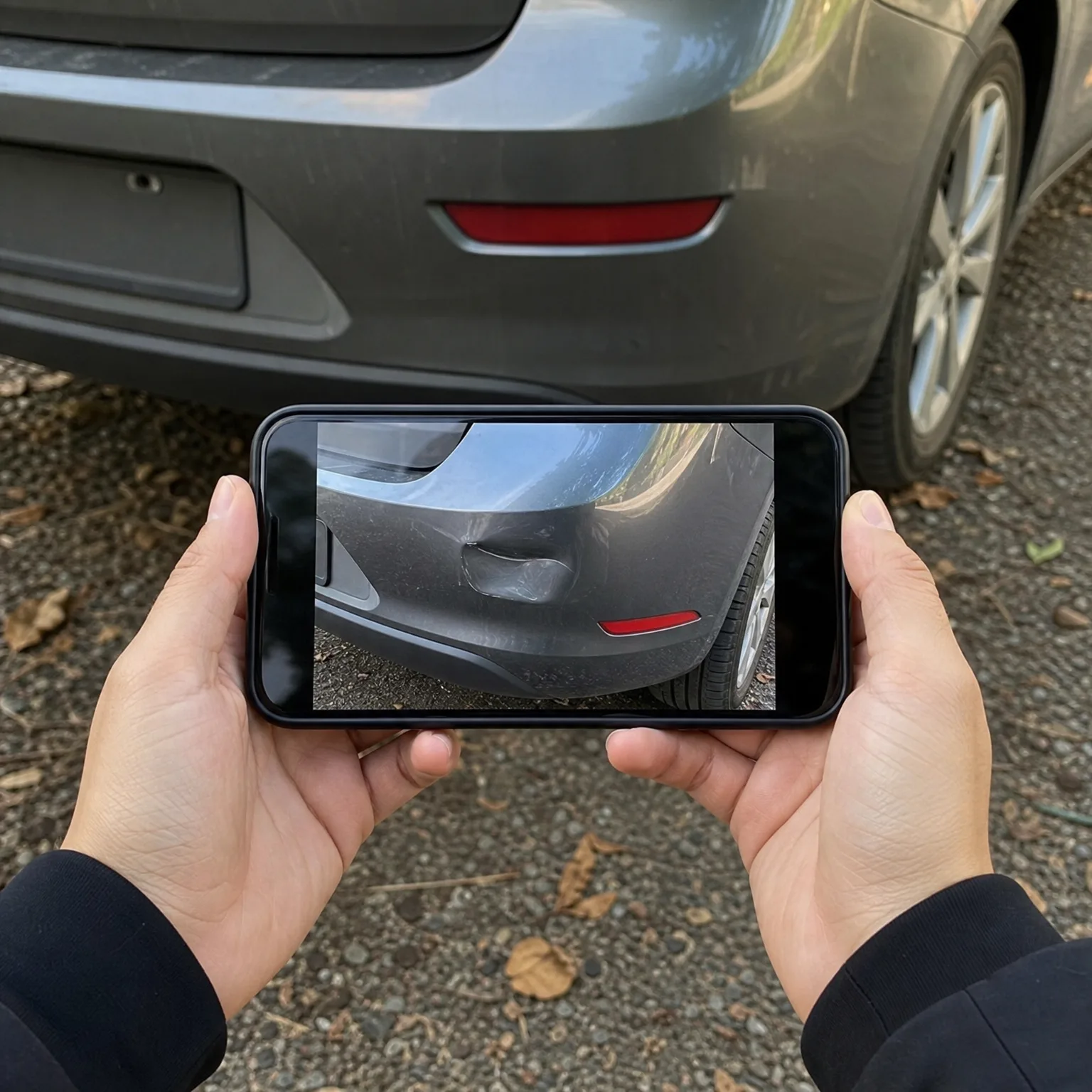
Say these things and the call works in your favor
- Ask for every discount by name Agents don't always volunteer every discount your teen could qualify for. Ask directly what discounts exist for student drivers, good grades, or driver's ed, and have your teen's transcript handy.
- Mention the car your teen drives The specific car matters more than people expect, since older or safer cars often cost less to insure. Ask whether a different car on your policy would lower the premium before you decide who drives what.
- Ask about usage based programs Some insurers offer a program that tracks driving habits and adjusts price based on actual behavior. Ask if one exists and what a new driver needs to do to qualify or stay in it.
- Ask what each birthday changes Rates usually drop at set ages regardless of driving record. Ask when the next automatic drop happens so you know what's temporary and what's worth shopping around for.
- Ask if full coverage is needed If your teen drives an older car you own outright, ask whether dropping comprehensive or collision actually saves meaningful money or barely moves the price. Get the number before deciding.

The short version
The short version: ask directly for every discount, ask about the car itself, and ask about usage based programs, because insurers don't always offer these without being asked. Write down what you learn and call a second insurer to compare answers. The right words get you the same coverage for less, not less coverage for the same price.
Will asking these questions actually lower my bill, or just waste time?
It depends on your situation, but asking almost never hurts and often helps. Insurers price risk using many factors, and some of those factors are adjustable in ways that aren't obvious from a standard quote. A good student discount, a different car, or a driving program can each shift the price meaningfully, and none of them show up automatically unless someone asks.
What it won't do is erase the basic cost of insuring a new driver. Teen drivers cost more to insure because they're newer at the task, and no script changes that underlying math. The goal of asking these questions isn't to argue the price down through persuasion. It's to make sure you're getting credit for everything that legitimately lowers risk, and that you're not paying for coverage structured in a way that no longer fits your situation.
Once you know what to ask, compare quotes using those same questions to see which insurer rewards the answers.

Call and ask these questions, or just accept the first quote
If you do
You ask about discounts, the car, and usage programs, and the agent has to answer specifically instead of giving you a generic number. You find out what's negotiable and what isn't. You leave the call with a clear sense of whether this insurer is pricing your teen fairly or just defaulting to a high estimate.
If you don't
You accept whatever number comes back first, which often includes assumptions nobody checked, like the wrong car or a missed discount. You might pay for months or years before noticing. Nothing about the coverage changes, you just pay more for the same protection than you needed to.
Does it matter which insurer I ask these questions to?
Yes, because insurers don't all offer the same discounts or programs, and some weigh a teen driver's risk differently than others. Asking the same questions to two or three insurers often turns up different answers and different prices for identical coverage. Check whether each insurer has a program for new drivers specifically, since that's where the differences tend to show up most.
Should I ask about putting my teen on a separate policy instead?
Ask, but know the answer is usually no for most families, since a separate policy often costs more overall than adding the teen to your existing one. It can make sense in specific situations, like if your teen owns their car outright and lives separately. Check how your insurer treats this before assuming it saves money, since the math depends on your specific coverage and household.
What should I do if the agent can't explain the price clearly?
Ask for a breakdown in writing and compare it against another insurer's quote for the same coverage. A price you can't get explained is a price you can't verify, and that's worth treating as a signal. Check whether the breakdown lists the discounts applied and the specific factors tied to your teen, since a vague answer often means something wasn't checked.