
What Type of Car Is Cheapest to Insure
The cheapest cars to insure are safe, affordable, common models with small engines, not sports cars or brand-new luxury vehicles.
Insurers price the car by what it costs to fix, replace, or crash
An insurer is really pricing two things when your teen gets behind the wheel: how likely a claim is, and how much that claim will cost. The car itself answers the second question. A vehicle that's cheap to repair, uses common parts, and doesn't tempt speed keeps claims small even when a new driver makes a mistake.
This is why mid-size sedans and small SUVs with modest horsepower tend to cost less to insure than two-door coupes or anything marketed as fast. Horsepower matters because insurers have decades of data showing a direct line between engine power and the odds of an at-fault accident, especially for drivers under twenty-five. A car that simply can't accelerate hard reduces the chance your teen finds that out the hard way.
Safety ratings cut the other direction. A car that protects its occupants well in a crash lowers the cost of injury claims, which are often larger than the cost of body damage. So the cheapest cars to insure usually sit at an intersection of unglamorous, well-rated, and unlikely to be stolen, since theft rates affect comprehensive coverage too.
Where this varies is in how much any single factor weighs. Some insurers lean harder on horsepower, others on repair cost data or local theft patterns for that model. The only way to know for a specific car is to check quotes for it directly, since the ranking can shift from one state or insurer to the next.
Will a cheap-to-insure car lower my premium more than anything else?
It helps, but it's one factor among several, and for a teen driver it usually isn't the biggest one. Your teen's age, the fact that they're newly licensed, and how they're listed on the policy typically move the price more than the specific model does, assuming you stay within the safe, modest-power category described above.
Think of the car choice as narrowing the range you're working with, not fixing the number outright. A bad choice, like a high-performance coupe, can undo all your other savings. A good choice, like a safe compact sedan, puts you in a reasonable range, but where you land inside that range still depends on your teen's driving history, your state, and how your policy is structured.
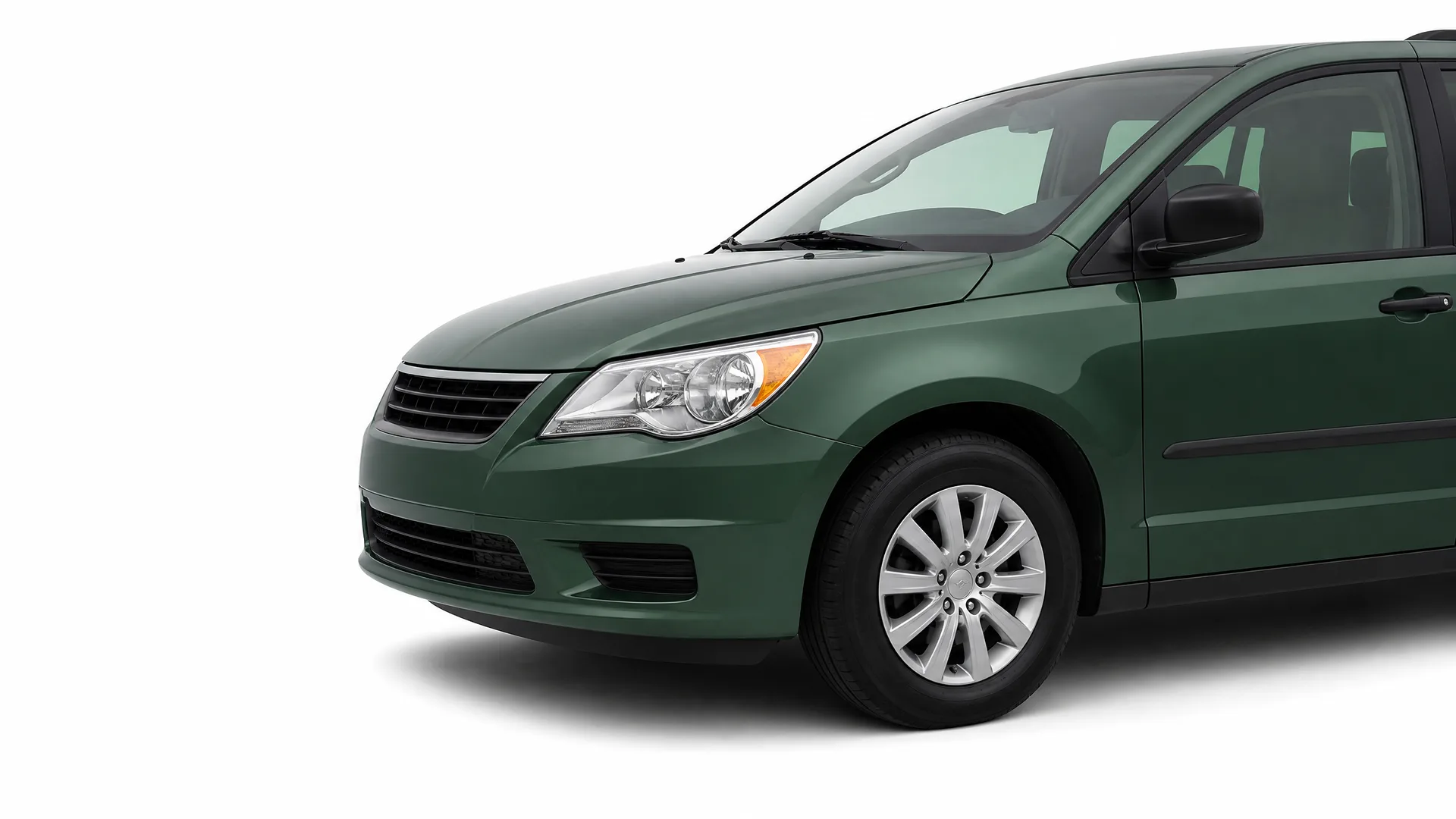
The car sets the ceiling and floor of the price. Everything else decides where you land.
Now that you know what kind of car keeps your teen's rate down, compare quotes for that exact model.

Picking a safe, modest car for your teen versus a flashier one
If you do
You pick a car with good safety ratings and a smaller engine. Quotes come back lower and stay more predictable. Repairs after a minor accident cost less, which matters because teens have more claims than any other age group. You've also removed one temptation toward speed, lowering real risk, not just the price of it.
If you don't
Your teen keeps driving a sports car, a two-door coupe, or anything with high horsepower. Your quote comes in noticeably higher and stays that way. If they're in an at-fault accident, repair costs and injury claims run higher too, which can affect your rates for years, not just this one.
A family deciding between the teen's dream car and the practical one
A parent had a seventeen-year-old who'd just gotten his license and had his eye on a used two-door coupe with a bigger engine, the kind of car that felt like a reward for passing the test. Before agreeing, the parent asked for quotes on that coupe versus a few mid-size sedans and small SUVs they'd seen for similar money. The difference in the quotes was large enough to notice immediately, not a minor gap.
They sat down with their teen and explained what was behind the numbers, not just that the sedan was cheaper but why. The engine size, the safety ratings, the repair costs all came up, and the teen understood it wasn't a punishment, it was math. They ended up buying a small SUV with strong safety ratings instead. The quote came in lower than the coupe by a wide enough margin that it covered a meaningful chunk of the premium increase from adding a teen driver at all, and the parent felt better knowing the car itself wasn't adding risk on top of the teen's inexperience.
Does the car's age or mileage affect insurance cost for a teen driver?
Yes, but less than you might think. An older car with high mileage often costs less to insure for liability and comprehensive coverage because it's worth less, so a total loss payout is smaller. However, older cars sometimes lack safety features like automatic braking that newer cars have, which can raise the cost of injury claims. Check whether the specific car has modern safety equipment, since that often matters more than the model year alone. If the car is worth very little, you might also reconsider whether full coverage makes sense on it at all.
Should I add my teen to my policy or get them a separate one?
For most families, adding your teen to your existing policy costs less than a separate policy in their name. Insurers typically see a young driver on an established family policy as lower risk than a new policy with no history behind it. There are exceptions, for instance if your own driving record has issues that are dragging down your rates, or if your teen owns the car outright and insures it separately on purpose. Ask your insurer directly how they'd price it both ways before deciding, since this varies by company.
Will my rates go back down once my teen turns eighteen or finishes college?
Yes, typically, because age and experience are two of the strongest factors insurers use, and both improve automatically over time. A driver with several violation-free years on record costs noticeably less to insure than one just starting out, regardless of the car. How much it drops and exactly when depends on your insurer's age brackets and your teen's driving record during those years, so check with your insurer about their specific thresholds rather than assuming a fixed birthday triggers it.


