
What Will an Umbrella Policy Not Cover
An umbrella policy won't pay until your auto limits are used up, and it never covers your own car or your own family's injuries.
It only extends what's already there, it doesn't replace it
An umbrella policy exists to add height, not a new foundation. It sits on top of your auto policy and pays only after your auto liability limits are exhausted. If your teen causes a serious crash and the damages exceed your auto policy's limit, the umbrella steps in for the rest. But it won't pay anything on a claim your auto policy would have denied in the first place, because there's nothing underneath it to build on.
That's why insurers require you to carry a minimum liability limit on your auto policy before they'll even sell you an umbrella policy. They're not going to let you buy a thin base and a tall tower on top of it. If your teen is newly licensed, this is the part worth checking first, because some insurers raise that minimum once a teen driver is on the policy.
The umbrella also won't touch damage to your own car or injuries to you or your passengers. That's what collision and medical coverage on your auto policy are for. It exists specifically for the moment your teen hurts someone else or damages someone else's property beyond what your auto policy can pay, which is the scenario that actually threatens your savings and future income.
It also excludes intentional acts and most business use. If your teen deliberately causes harm, or uses the car for paid work like deliveries, the umbrella can walk away from the claim entirely. None of this is unusual or stingy, it's just how the layered design works, and it means your auto policy's limits deserve just as much attention as the umbrella sitting above them.
Should you raise your auto liability limits instead of buying an umbrella?
You likely need both, not one instead of the other. Raising your auto liability limits closes the gap between what your auto policy pays and what the umbrella requires before it activates. Without that gap closed, the umbrella sits unreachable no matter how much coverage it promises on paper.
Think of your auto limits as the first wall and the umbrella as the roof. A roof with no wall underneath doesn't protect you from much. For a household with a new teen driver, where the odds of an at-fault claim rise for a few years, raising the auto limits first makes the umbrella actually usable when you need it, instead of just a line item you're paying for and hoping never to test.

Checking your auto limits against the umbrella's requirement
If you do
You confirm your auto policy meets the minimum the umbrella requires, adjust it if your teen is now listed, and know that a serious at-fault claim will flow smoothly from auto limits into umbrella coverage without a gap you'd have to pay out of pocket.
If you don't
You assume the umbrella covers everything above your current limits, not realizing your auto policy's minimum no longer qualifies now that a teen is on it. If a big claim hits, you discover the gap exists and you're personally responsible for the amount the umbrella won't bridge.
Now that you know what the umbrella skips, compare quotes that raise your auto limits to match it.
What stays outside the umbrella's reach
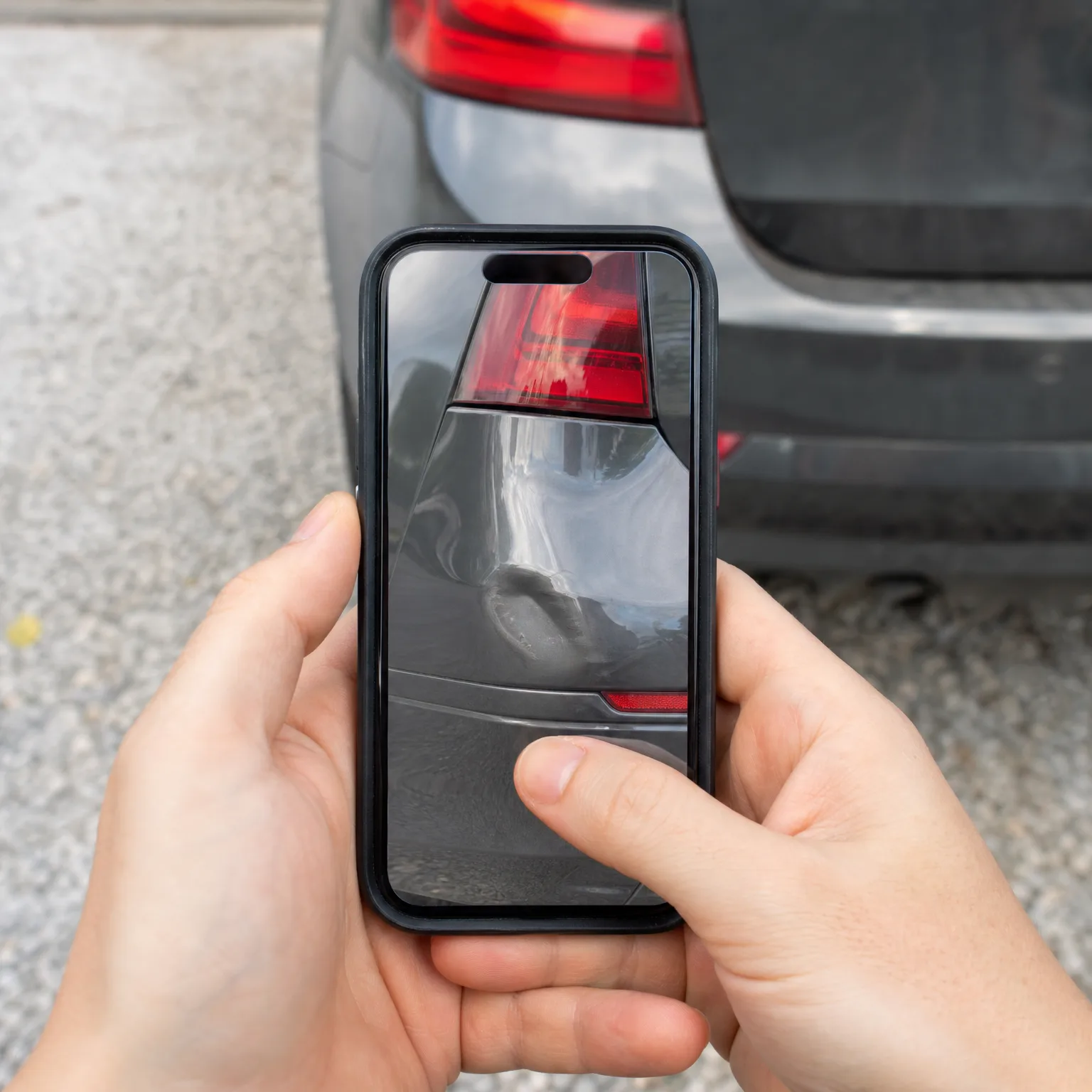
- Your own vehicle damage Damage to your family's car from a crash your teen caused isn't an umbrella claim. That's collision coverage on the auto policy, so check that limit separately.
- Injuries to your own family The umbrella covers harm to others, not injuries your teen or your family suffers. Medical payments or health insurance handles that side.
- Claims below your auto limit Nothing below your auto policy's liability limit ever reaches the umbrella. Raise that limit if it's set lower than what the umbrella requires.
- Intentional or reckless acts Deliberate harm isn't covered by either policy. This matters less for driving mistakes and more if intent gets argued in a claim.
- Business or paid driving use If your teen drives for pay, like deliveries, both the auto policy and the umbrella may exclude the claim. Check this before they take a paid driving job.

A rear-end crash that outgrew the auto policy
A family added their newly licensed daughter to their policy and bought an umbrella policy the same month, feeling covered either way. A year later she rear-ended another car at a stoplight, and the other driver had lasting injuries with medical bills and lost income that added up fast. The family assumed the umbrella would simply take over.
It did, but only after their auto policy's liability limit was fully paid out first. Because they'd never raised that limit when their daughter joined the policy, the gap between what auto coverage paid and what the umbrella required to activate was wider than they expected, and they had to cover part of that gap themselves before the umbrella engaged. They fixed it by raising the auto limit right after, which closed the gap for good. The lesson they took from it wasn't about the umbrella failing, it was about never having checked whether the two policies actually lined up with each other.
An umbrella is only as strong as the auto limit it sits on, so check that number first.