
What Would Cause My Car Insurance to Go Up
Your rate goes up from specific, identifiable events, and knowing which ones lets you control what happens next.
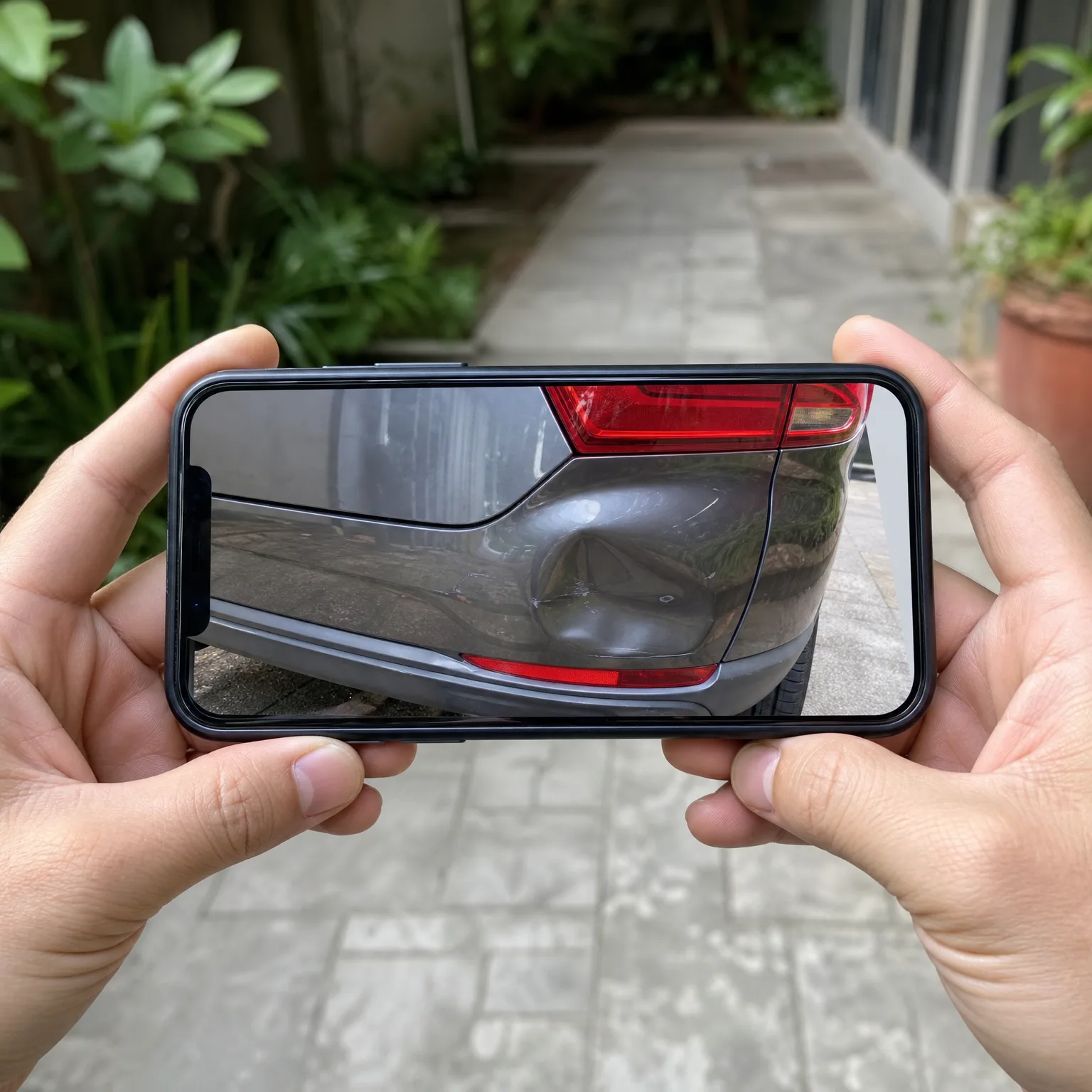
The main things that push your premium higher
- At-fault accidents A crash where your teen or you is found responsible signals more risk to the insurer. It stays on record for a set time, so ask your insurer how long it affects your rate.
- Traffic violations Speeding tickets, running lights, or other citations count against the driver's record. Each one adds up, so talk to your teen about what a ticket actually costs the family.
- Adding a new driver A teen on the policy raises the household risk profile regardless of their driving so far. Ask your insurer about discounts tied to grades, driving courses, or monitored driving apps.
- Coverage or vehicle changes Switching to a more powerful car, dropping a discount, or increasing coverage limits can all raise the bill. Review changes with your insurer before you make them, not after.
- Lapses in coverage Letting the policy lapse, even briefly, signals risk to insurers and can raise future quotes. Set up autopay or reminders so this never happens by accident.

The short version
Your rate rises from specific events, mainly accidents, violations, adding a new driver, or letting coverage lapse. The common thread is risk the insurer now sees as more likely. Ask your insurer which of these apply to your policy, then ask what discounts offset them before you compare quotes elsewhere.
Will my teen's first ticket or accident haunt us forever?
No. Insurers look back over a set window of time, not your entire history. After that window passes, the event typically stops counting against your rate, though the exact length depends on your state and insurer.
What matters more in the short term is how your insurer responds right now. Some will raise your rate immediately after one incident. Others wait to see a pattern. Ask directly how your insurer handles a first offense versus repeated ones, since that answer shapes how urgently you should talk to your teen about driving habits and how soon you might see relief on your bill.
Now that you know what moves your rate, compare quotes to see which insurer handles your teen's risk most fairly.

Why these events matter more than you'd think
Insurance pricing is built on predicting risk, not punishing behavior after the fact. An insurer isn't reacting to what happened as a moral failing, it's updating its estimate of how likely you are to file a claim again. A ticket or accident is data, and data changes the math.
This is why adding a teen driver moves your rate even if they've done nothing wrong yet. Age and experience are themselves predictors, statistically tied to claim frequency. It isn't personal and it isn't a reflection of your teen specifically, it's the insurer pricing an entire category of driver before they have individual data to go on.
What varies is how much weight each insurer puts on any single factor, and how long that factor stays relevant. Some weigh accidents heavily but let them fade fast. Others weigh violations less but hold onto them longer. State rules also shape this, since some states limit how much certain factors can affect pricing or how long insurers can consider them. This is why identical situations can produce different quotes from different companies.
The cases where this plays out differently usually involve how proactive you are. Insurers that offer monitored driving programs or safe driver discounts are, in effect, letting your teen prove the statistical assumption wrong in real time. That's not a loophole, it's the same logic in reverse, better data lowers the risk estimate. Asking about these options before an incident happens, not after, is what gives you the most control over the outcome.

The events that raise your rate are predictable, so prepare for them before they happen, not after.