
Whose Insurance Pays First on a Borrowed Car
The car owner's insurance pays first, no matter who's driving, and your own policy only steps in after that.
Insurance follows the car first, then falls back to the driver
Insurance is written to protect a specific car. When your teen borrows a friend's car with permission, that car's policy is the one that responds first for any damage or injury, regardless of whose name is on the license or who's actually behind the wheel. This is true almost everywhere, and it's the starting rule you should expect.
Your own policy exists as the backup. If the owner's coverage runs out, meaning the damage or injuries cost more than their policy will pay, your policy can be asked to cover the rest, since your teen is a listed driver on your household policy. This is why a teen with a thin policy who borrows an expensive car can still create real exposure for your family, even though you weren't driving and didn't own the car.
There are cases where this flips or gets complicated. If your teen didn't have permission to drive the car, the owner's insurer may deny the claim entirely, and then your policy could be the only one responding. If your teen drives a car regularly, like a girlfriend's or roommate's car, some insurers will say that car should have been added to your policy or that your teen should have been listed on the owner's policy, and will try to deny coverage on those grounds. States and insurers differ on how strictly they enforce this, so if your teen has standing access to another car, it's worth a call to your agent before anything happens, not after.
The practical result is that permission and regularity matter as much as the rule itself. A one time borrow is covered the way most people assume. A regular pattern of driving someone else's car needs its own conversation with both insurers involved.
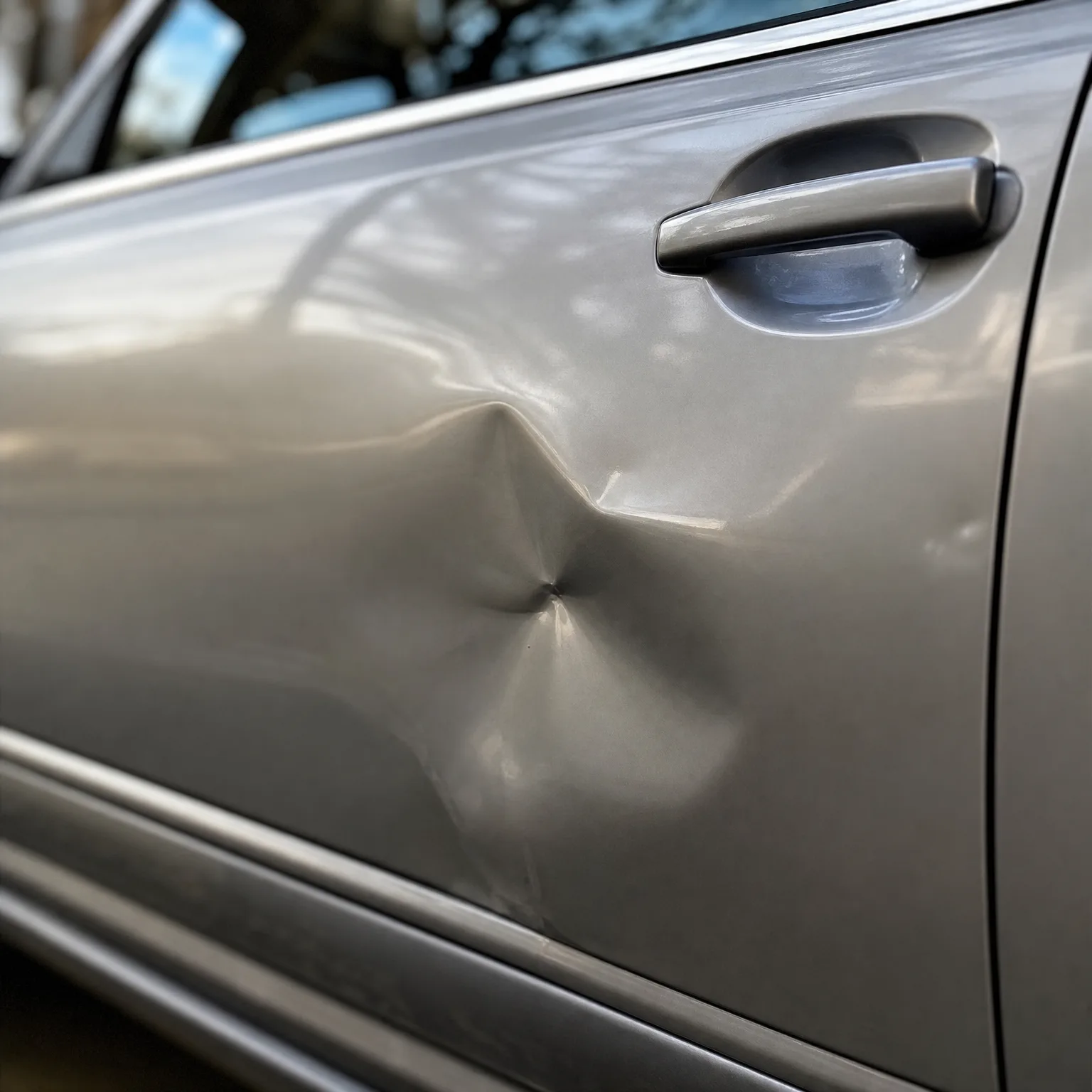
A Saturday night borrow that became a bigger question
Your seventeen year old asks to borrow a friend's car for the evening since your car is in the shop. You say yes, the friend's parents say yes, and nothing seems unusual about it. Later that night your teen backs into a parked car in a lot, causing damage to both vehicles. Because your teen had permission and was driving the friend's car, the friend's parents' insurance is the one that gets the first claim, not yours.
The friend's policy pays for the parked car's damage and the repair to their own car, since that's what the coverage is there for. But the friend's liability limits turn out to be on the lower side, and the total cost from both repairs edges past what their policy will pay. At that point their insurer reaches out to yours, and your policy picks up the remaining balance since your teen is listed on your policy as a driver. You end up paying something, but only the gap, and only because the first policy wasn't enough on its own. Nothing about the order was in question, only the size of the gap.

Calling your agent before your teen regularly borrows a car
If you do
You find out how your policy and the owner's policy would interact before anything happens. If there's a gap, like low limits on the other car or a dispute because of how often your teen drives it, you can fix it now, by adjusting your coverage or talking it through with the other family.
If you don't
You're relying on assumptions about a policy you've never seen, on a car you don't own, during the exact moment your teen is newly licensed and still learning. If something goes wrong, you'll be sorting out whose insurance applies, how much it covers, and what gap you're suddenly responsible for, all at once, under pressure.
Once you know how a borrowed car gets covered, compare quotes that make sure your own policy closes any gap left behind.

Does my teen need to be listed on a friend's insurance to borrow their car?
No, not for occasional borrowing with permission. The car owner's policy is written to cover permitted drivers, so a one time or occasional use doesn't usually require your teen to be added to that policy. What changes the answer is regularity. If your teen borrows the same car often enough that it looks like a standing arrangement, some insurers will expect that car's owner to list your teen as a driver, or will expect your teen to be covered under your policy for that vehicle. Check with the other family's insurer if the borrowing becomes routine.
What happens if my teen drives a borrowed car without permission?
The owner's insurance can deny the claim, which usually means your own policy becomes the primary coverage by default. Insurers treat permission as a condition of coverage, so if your teen took a car without asking, or kept driving after being told to stop, the owner's insurer has grounds to refuse the claim entirely. Your policy would then likely respond, but possibly with your teen treated as an at fault driver on your own record. This is one of the clearer cases where asking first protects everyone, including your own rates.
Does borrowing a car affect my own insurance rates afterward?
Only if a claim gets paid out, and usually only through your policy specifically. If the owner's insurance covers an incident fully and your policy is never involved, your rates generally won't move, since the claim sits on their record, not yours. But if your policy ends up paying any part of the claim, even just the amount above the owner's limits, that claim can affect your renewal, since it's now a claim on your own policy with your teen as the driver involved. Ask your agent how claims from secondary coverage are tracked.
The car's policy pays first, but yours still covers whatever that policy leaves unpaid.