Why Do I Always Get Tired When Driving
Driving tires you out because it demands constant, low-level attention your brain can't fully rest from, even when the trip feels easy.
A few causes explain almost every tired drive
- Vibration and engine noise A steady hum and low vibration wear down alertness even in a quiet, comfortable car. Crack a window or play something upbeat to break the monotony.
- Sitting still too long Staying in one fixed position for a long stretch slows circulation and breathing, which lowers alertness. Adjust your seat, roll your shoulders, and take a short walk at stops.
- Glare and eye strain Bright sun, oncoming headlights, and constant refocusing between the road and mirrors tire your eyes faster than you'd expect. Wear sunglasses in daylight and keep your windshield clean inside and out.
- Time of day Your body has natural low points, especially midafternoon and late at night, when alertness drops no matter how much you slept. Plan long drives around those windows when you can.
- Low food or water intake Skipping meals or not drinking enough water makes fatigue hit sooner and harder. Eat something light before driving and keep water in the car.
A long afternoon drive that felt harder than it should have
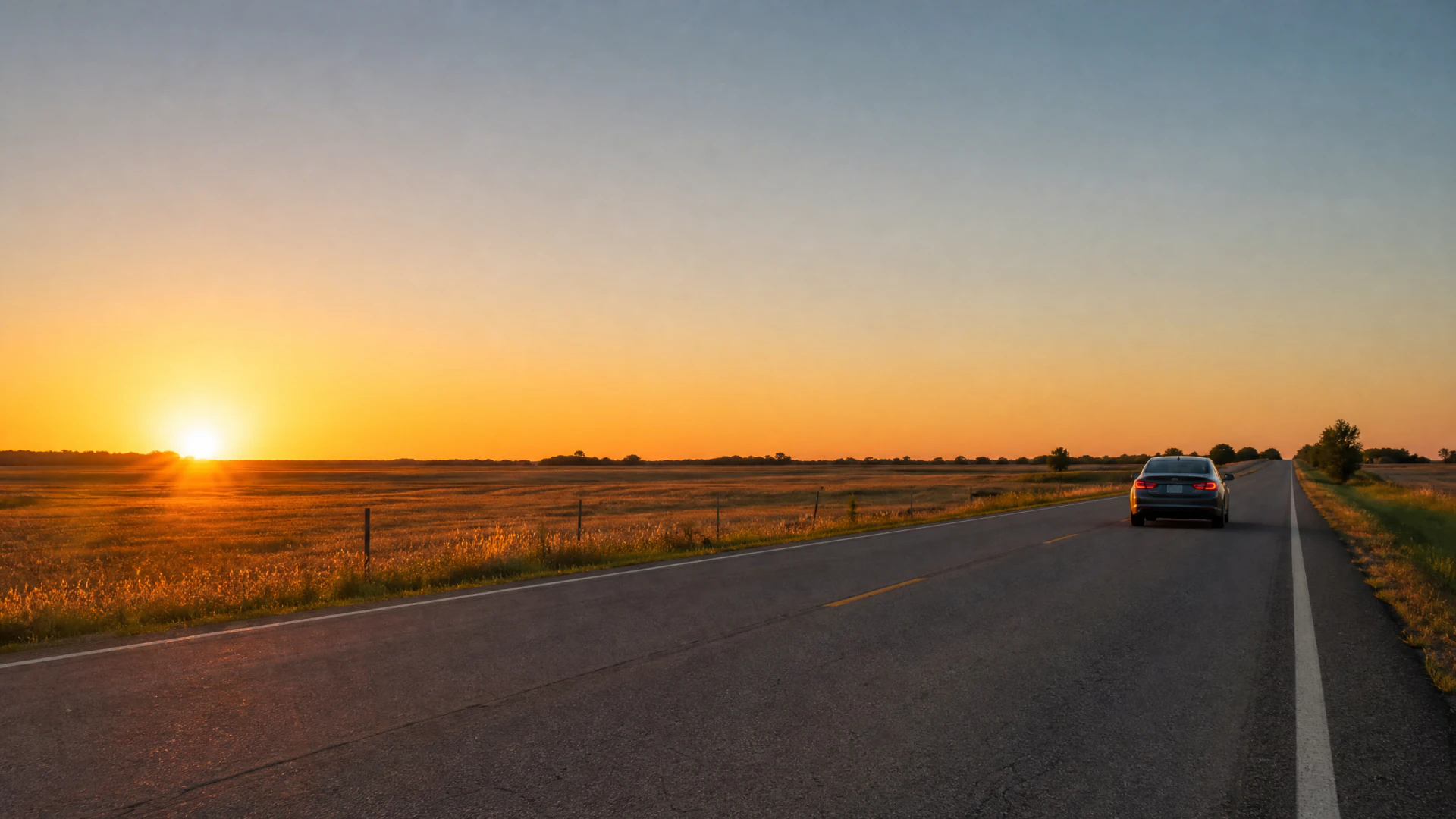
You picked your teen up from a weekend activity and drove an hour home in the early afternoon. The road was familiar, traffic was light, and nothing about the trip seemed demanding, but by the halfway point your eyes felt heavy and you caught yourself losing focus on the lane markings. You hadn't eaten since breakfast and the car was warm and quiet, which made it worse.
You rolled the windows down, turned up the music, and pulled off at a gas station to stretch and grab a snack. The ten-minute break reset you enough to finish the drive alert. Looking back, the timing lined up with a natural afternoon dip, plus no food and a lulling, monotonous stretch of highway. None of it meant anything was wrong with you. It meant the conditions were working against you, and a short break fixed it.
Pulling over when you feel it versus pushing through
If you do
You stop somewhere safe, stretch, get air or food, and give your body a few minutes to reset. Most drowsy spells pass within that short break. You get back on the road genuinely more alert instead of just telling yourself to focus harder.
If you don't
You keep driving on willpower alone, rolling down a window or turning up music to mask it. Reaction time and attention keep slipping even if you feel like you're managing it. Microsleeps can happen without warning, and you won't know until it's already too late.
Once you understand your fatigue, compare quotes with coverage matched to how your family actually drives.
Why driving wears you out even when nothing is wrong
Driving is a sustained attention task, not a passive one. Your brain is constantly processing motion, distance, and small corrections, even on a straight empty road. That processing happens whether or not anything eventful occurs, which is why a calm drive can be just as tiring as a stressful one.
The car environment adds to this. Steady engine noise, gentle vibration, and a fixed seated position all nudge your nervous system toward a lower-alertness state, similar to the effect that puts people to sleep on trains. Combine that with a warm cabin or a monotonous stretch of road and your brain has very little stimulation to stay sharp.
Timing matters as much as the drive itself. Your body runs on a natural rhythm that dips at certain points in the day regardless of how rested you are. Driving during one of those dips, especially after a meal or without enough sleep the night before, compounds the effect.
Sometimes fatigue behind the wheel points to something beyond the drive itself, like a sleep issue, dehydration, or a medication side effect. If tiredness while driving is frequent, severe, or doesn't improve with breaks and food, that pattern is worth mentioning to a doctor rather than solving with another cup of coffee.
Why do I get sleepy driving even when I slept enough the night before?
Because driving fatigue isn't only about sleep debt, it's about sustained attention and a monotonous environment. Even well-rested drivers get drowsy on long, quiet stretches, especially during natural afternoon or late-night dips. Check whether it happens at consistent times of day or on certain types of roads. If it's tied to timing or road conditions, breaks and route planning help. If it happens regardless of rest or time, consider whether an underlying sleep issue is involved.
Is it dangerous to drive tired even if I feel like I can handle it?
Yes, because tiredness affects reaction time and judgment before you consciously notice it. You can feel capable right up until a lapse in attention happens without warning. Check how you feel after short breaks, since needing to fight to stay focused is itself a warning sign. What changes the answer is how you respond to it, since pulling over early prevents the worst outcomes.
What can I eat or drink before driving to stay more alert?
A light meal with protein and avoiding heavy, sugary food works better than skipping food entirely. Heavy meals push blood flow toward digestion and make you drowsier, while an empty stomach causes its own fatigue. Water matters too, since mild dehydration lowers alertness. Caffeine can help short term, but check how it affects your sleep later if you're driving in the evening.