Why Is Teenage Driving Dangerous
Teenage driving is dangerous mainly because judgment and hazard-spotting skills lag far behind basic car-handling ability.
A quiet road, a left turn, and a second too late
A father let his daughter drive to her weekend job, a route she'd done a dozen times with him in the passenger seat. She pulled out to make a left turn across traffic, the same turn she'd made safely before, but this time a car was coming faster than she expected and partly hidden by glare. She misjudged the gap. There was no crash, she braked hard and the other driver swerved, but her father realized afterward that she hadn't actually been scanning for speed, only for whether a car was present.
He started doing something different after that. Instead of general reminders to be careful, he picked one specific hazard each drive, judging the speed of oncoming cars, checking mirrors before braking, noticing pedestrians near parked cars, and talked through it before and after. He also kept her on familiar daytime routes for several more weeks before letting her drive at night or with friends in the car. The near miss became the moment he stopped assuming time behind the wheel alone was teaching her what she needed to know.
The short version
Teenage driving is dangerous because the mental skills for spotting and judging hazards lag behind basic car-handling ability, even in careful teens. The fix isn't more warnings, it's structured practice across varied conditions and a gradual increase in driving privileges. Start by identifying which specific situations your teen hasn't faced yet.
How long does this higher risk actually last?
The risk doesn't vanish on an 18th birthday or after a set number of months. It fades gradually as a driver accumulates varied, independent experience, meaning real drives without a parent coaching from the passenger seat, across different conditions like night, rain, highway speeds, and heavy traffic.
A teen who drives mostly the same short daytime route for a year has less real experience than one who's handled a wider range of situations in less time. That's why some families extend restrictions like no nighttime driving or passenger limits well past the point their state requires it, matching the rule to the teen's actual exposure rather than their age. Ask your insurer or state licensing agency what conditions they consider in determining when risk typically levels off, since the general pattern holds everywhere but the specifics of how it's measured can differ.
Once coverage matches how and where your teen actually drives, compare quotes to find that setup at the best price.
The gap is between handling a car and reading the road
Operating a vehicle, steering, braking, signaling, is a motor skill, and most new drivers pick it up reasonably fast. What takes much longer to develop is the second, less visible skill, scanning a changing environment and predicting what other people are about to do. An experienced driver notices a ball rolling into the street and already expects a child behind it. A new driver sees the ball and the child as two separate things, if they notice the child at all. That lag between acting and anticipating is the core of why crash risk is so much higher early on.
This isn't about recklessness or attitude. Even cautious, rule-following teens show this gap, because it's a function of experience and brain development, not willingness to be careful. Risk-taking tends to make things worse, but it's an add-on to the core problem, not the main cause.
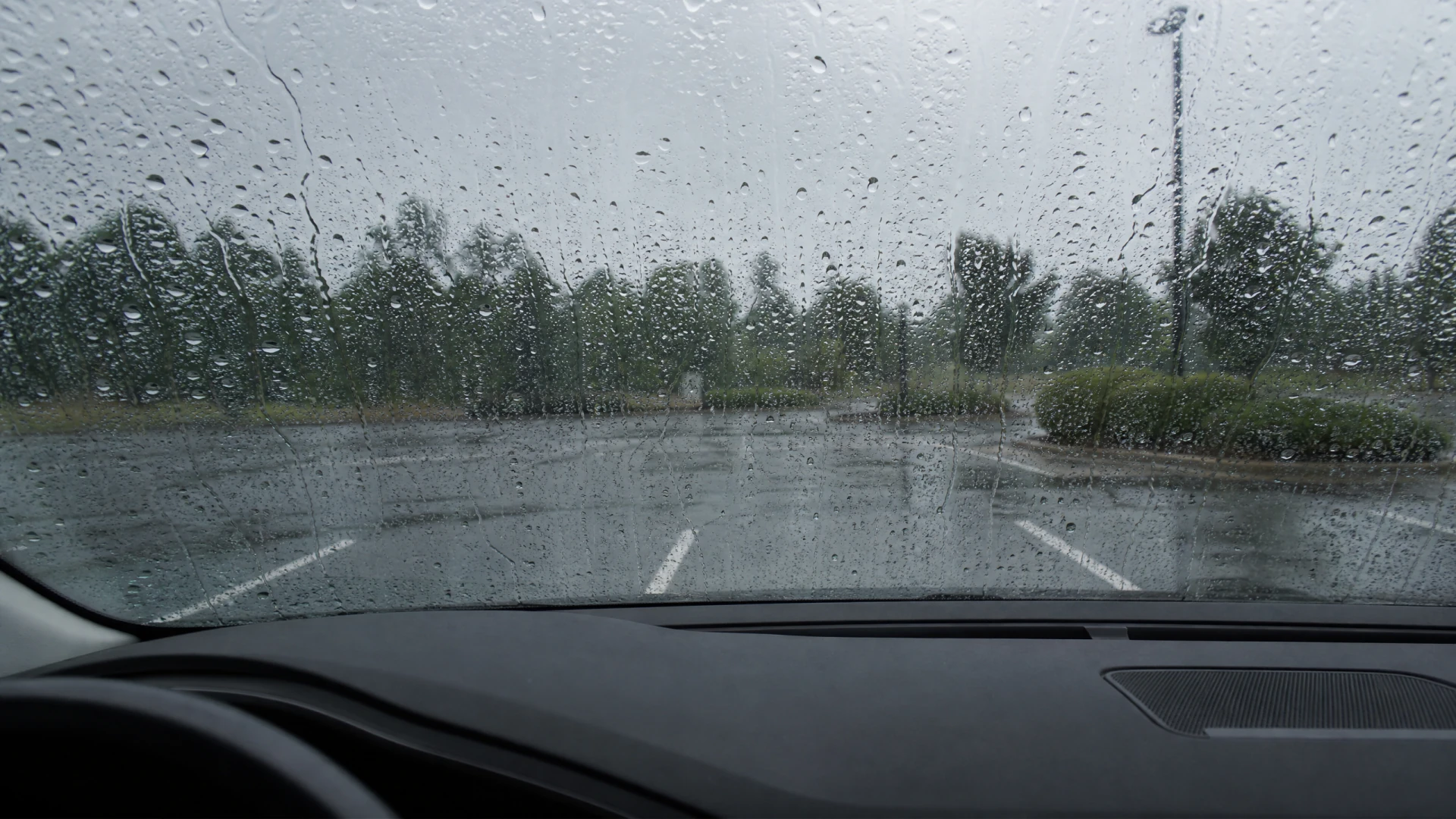
Conditions that demand fast judgment, night driving, wet roads, merging traffic, other teens in the car as passengers, expose the gap the most. That's why licensing systems and insurers both tend to treat those situations as higher-risk specifically for new drivers, even though the same conditions are only mildly riskier for experienced ones. Rules like passenger limits or nighttime curfews exist because they remove the situations where the judgment gap matters most, not because the driving itself is inherently harder.
The gap closes with exposure, not time alone. A teen who drives often, across varied conditions, with a parent coaching early on, closes it faster than one who drives rarely or only in easy situations. States vary in how they structure licensing stages and what restrictions they require, so check your state's specific rules rather than assuming they match what you've heard elsewhere.
The danger isn't attitude, it's a judgment gap that closes only with varied practice, not time alone.