Will Insurance Pay Out if It Was My Fault
Yes, if you carry liability and collision coverage, your insurer pays out even when the crash is your fault.
A teen backs into a parked car at school
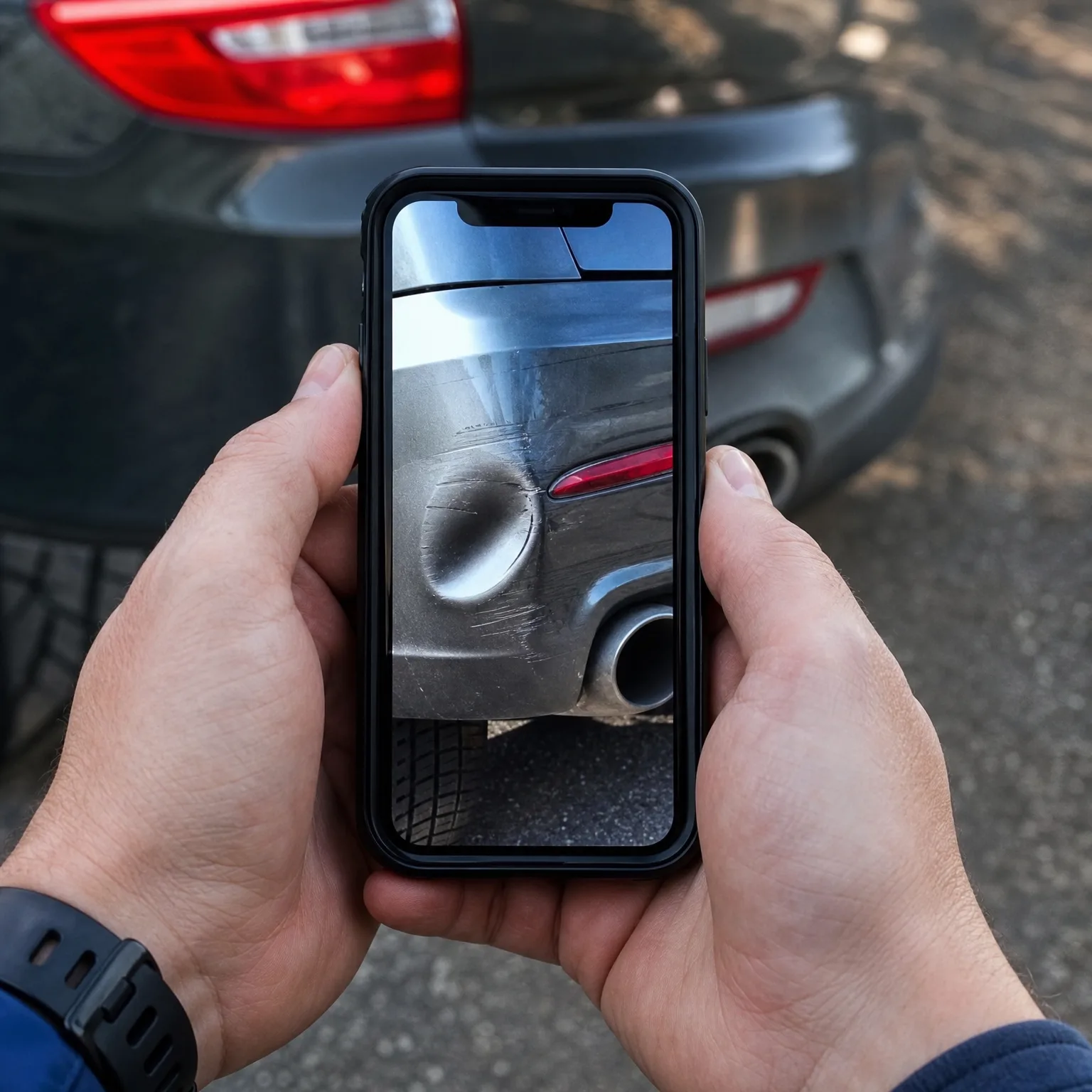
Your daughter, three months into driving solo, backs out of a parking spot and hits a parked car. Nobody is hurt, but both bumpers are damaged and the other owner wants it fixed. You call your insurer, file a claim, and an adjuster is assigned to figure out who pays for what.
Because your policy includes liability coverage, the insurer pays to repair the other car since your daughter caused the damage. Because you also carry collision coverage, the insurer pays to repair your own car too, minus your deductible. The claim gets marked as at-fault, which means it can affect your premium at renewal, but the repairs get paid and nobody is left covering a stranger's bill out of pocket. That's the tradeoff you're already paying for every month, and this is the moment it does its job.
The short version
If you're at fault and carry liability coverage, your insurer pays the other driver's damages. If you also carry collision coverage, it pays for your own car too, minus your deductible. The one thing to check now is whether your policy actually includes both, not just the state minimum liability.
Will my rates go up because of an at-fault claim?
Probably, but how much depends on your insurer, your state, and your history. A single at-fault claim, especially a teen's first one, typically raises your premium at the next renewal, though some insurers forgive a first claim if you've been with them a long time or opted into accident forgiveness.
What matters more than the single increase is the pattern. One claim is a cost you absorb. A second one, especially within a short span, tends to raise rates more sharply and can affect what coverage options are even offered to you. This is worth asking your agent about directly, since forgiveness programs and claim-surcharge rules vary by company and aren't something you can assume you have.
Now that you know what gets paid, compare quotes to see how insurers price that protection for your teen.

Carry collision coverage or carry liability only
If you do
If you carry collision coverage, your own car gets repaired or replaced after an at-fault crash, minus your deductible. Your teen's mistake doesn't become a bill you can't pay. You keep driving your car while the other driver's damages are also covered through liability, so both sides of the accident get handled.
If you don't
If you only carry liability, the other driver's car gets repaired, but yours doesn't. You'd pay out of pocket to fix or replace your own vehicle after an at-fault crash. For a newer or financed car, that gap can be the difference between a fixable situation and a totaled car you still owe money on.
What determines whether a claim gets paid
- Fault doesn't block payment Being at fault is exactly what liability coverage is for. It only becomes a problem if you don't have enough of it or don't have it at all.
- Collision covers your own car Liability pays the other driver. If you want your own car fixed after a crash you caused, you need collision coverage too, not just liability.
- Deductibles apply either way You pay your deductible before collision coverage kicks in on your own car. Check what yours is set to, since a low premium often means a higher deductible.
- Teen's record affects the policy An at-fault claim while your teen is listed as a driver affects the whole policy, not just their future rates. Expect it to show up at renewal.
- State minimums may not be enough Some states set liability minimums that are too low to cover a serious crash. Ask your agent whether your limits actually protect your assets, not just meet the legal floor.
Why fault doesn't decide whether you get paid
Car insurance is built around fault, not despite it. Liability coverage exists specifically to pay for damage you cause to someone else, and collision coverage exists to pay for damage to your own car regardless of who caused it. The entire structure assumes that sometimes you will be the one at fault, because everyone is eventually. Insurers price that risk into your premium ahead of time, which is why the payout isn't in question. What's in question is whether you bought enough coverage to match the risk you're carrying, especially now with a new driver on the policy.
The real variable isn't fault, it's which coverages you have and how much of each. A driver with liability only will see the other person's car paid for but will cover their own repairs out of pocket. A driver with both liability and collision gets both sides handled, at the cost of a higher premium. This is a decision you make when you set up the policy, not something that gets decided at the moment of the crash.
Where it gets more complicated is with newer or more valuable cars, loans or leases, and teens who are still building a driving record. A financed car usually requires collision and comprehensive coverage as a condition of the loan, so you may not have a choice there. A teen driver raises the odds that a claim gets filed at some point, simply because new drivers are still learning, which makes the gap between having and not having collision coverage more consequential than it might be for an experienced driver.
The other piece worth understanding is that a paid claim and a rate increase are two separate things. The claim gets paid regardless. What happens to your premium afterward depends on your insurer's rules, your state's regulations, and whether this is a first incident or part of a pattern. Don't confuse the two when you're deciding how to set up coverage for your teen.