Will Police Do Anything About a Hit and Run
Police will take a report and may investigate, but what they can do depends almost entirely on the evidence available.
What determines whether police can act on your case
- License plate or partial plate A plate number, even partial, is the single biggest factor in whether police identify the other driver. Write it down immediately, even a few characters help.
- Witnesses and cameras nearby Traffic cameras, doorbell cameras, or people who saw it happen can make or break the case. Ask around the scene and check for cameras before you leave.
- Severity of damage or injury Departments prioritize cases with injuries or major damage over minor fender benders. A small dent on an empty street may get less active attention.
- How fast you report it Reporting right away preserves evidence and gives police the best chance to act. Waiting days lets leads go cold and skid marks or debris disappear.
- Your own documentation Photos, your account written down fast, and your insurer's claim all strengthen the case. Do this even if you think police won't find the other driver.
What happens if police never find the other driver?
If the other driver isn't identified, the police report still matters. It becomes the foundation for your insurance claim, specifically for uninsured motorist coverage if you carry it. That coverage exists for exactly this situation, someone hits you and disappears, and it pays for your damage or injuries as if the other driver had insurance and was found at fault.
Without that coverage, you may be left paying out of pocket or relying on your own collision coverage, which usually comes with a deductible. This is why having uninsured motorist coverage matters more than most people realize until they need it. Check your policy now, before anything happens, so you know where you stand.
The police report matters most for your insurance claim, not just for catching the driver.
Once you know what to expect from police, compare quotes to make sure you're covered if this happens to you.
A parked car gets hit while you're at the store
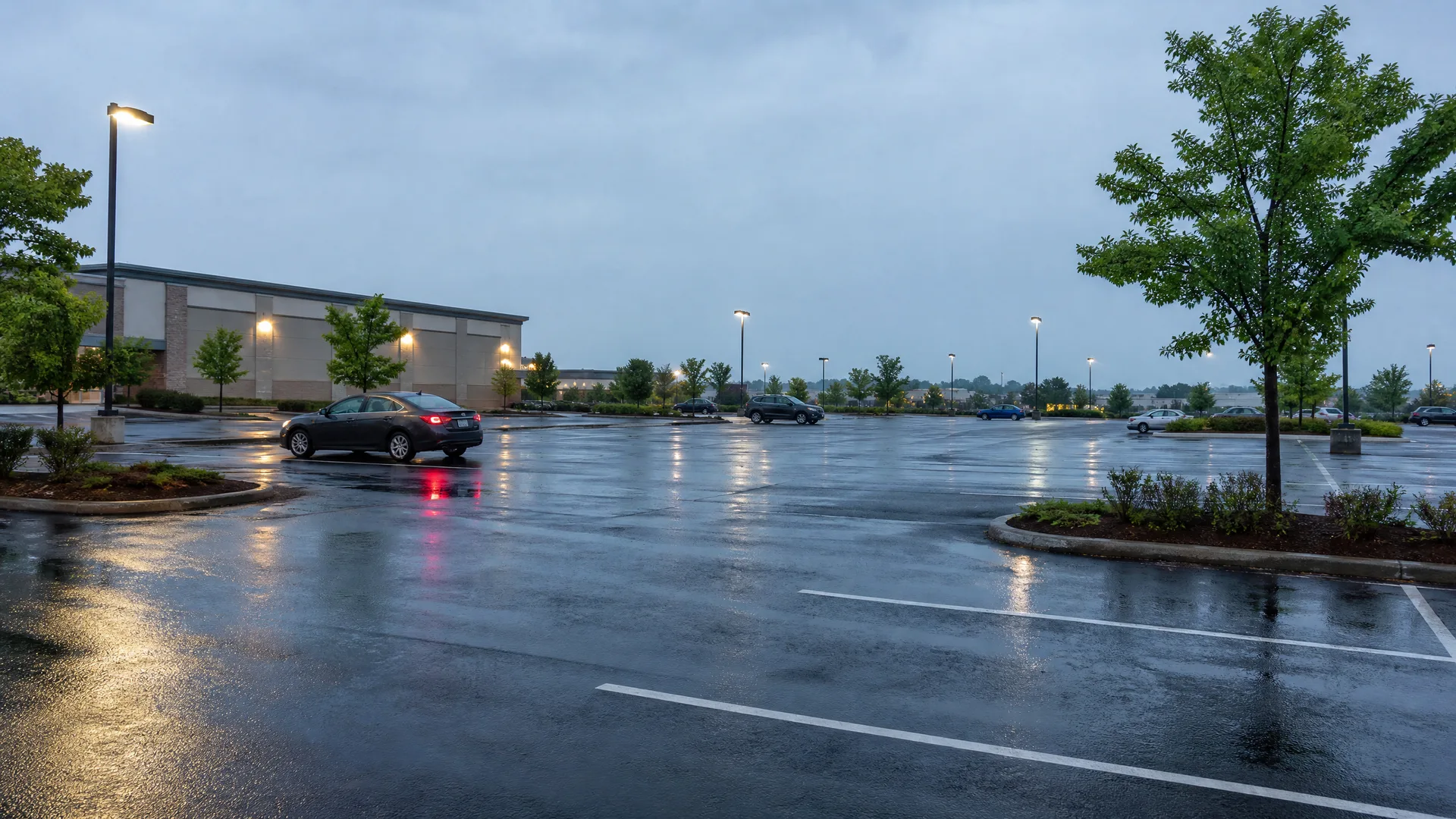
You come out of a store and find your bumper crushed in. No note, no witness standing around, just a damaged car in an otherwise empty-looking lot. You call the police anyway, and an officer comes out, takes photos, and files a report. You also check if the store has security cameras facing the lot.
It turns out the store does have a camera, and it caught a partial plate as the other car pulled away. The officer runs it and identifies the owner, who admits to the collision. Without that camera, the case likely would have gone nowhere, and you'd have filed a claim under your own collision coverage instead. Either way, having called police immediately and documented the scene gave you options you wouldn't have had otherwise.
Why police can't always chase down the other driver
Police departments handle an enormous number of property crimes and traffic incidents, and hit and runs without injury often fall lower on the priority list than cases with a clear path to an arrest. This isn't a reflection of how much they care, it's a reflection of limited resources matched against cases that have little to no evidence. A hit and run with no plate, no witness, and no camera is extremely hard to solve, no matter how motivated the officer is.
What changes the equation is evidence that points to a specific vehicle or person. A plate number turns a case from unsolvable to a quick lookup. A witness who saw the driver turns it into a short investigation. This is why what you do in the first few minutes after the incident matters so much, you're not just reporting a crime, you're giving police the one thing that makes action possible.
State laws and department policies also vary in how hit and runs get classified and pursued. Some states treat them as a more serious offense with harsher penalties, which can mean more investigative attention. Others leave more discretion to the responding officer. Check how your state and local department typically handle these cases if you want a realistic sense of what to expect.
Even when police can't identify the driver, the report you file still serves a purpose for you. It creates an official record that your insurer will want to see, and it's often required before certain coverages pay out. The investigation and your financial recovery are two separate tracks, and understanding that helps you focus on what you can control.